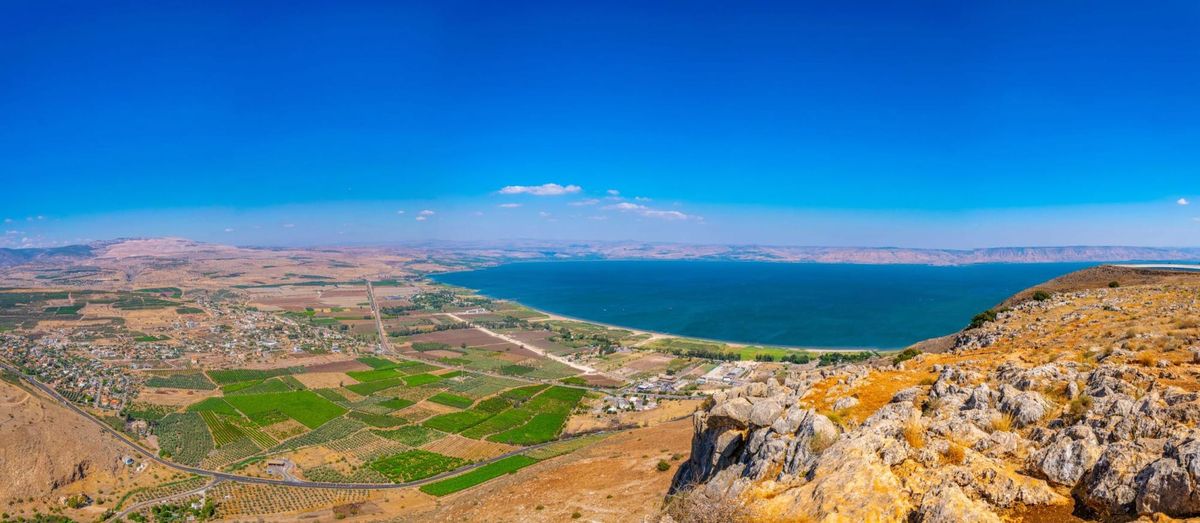
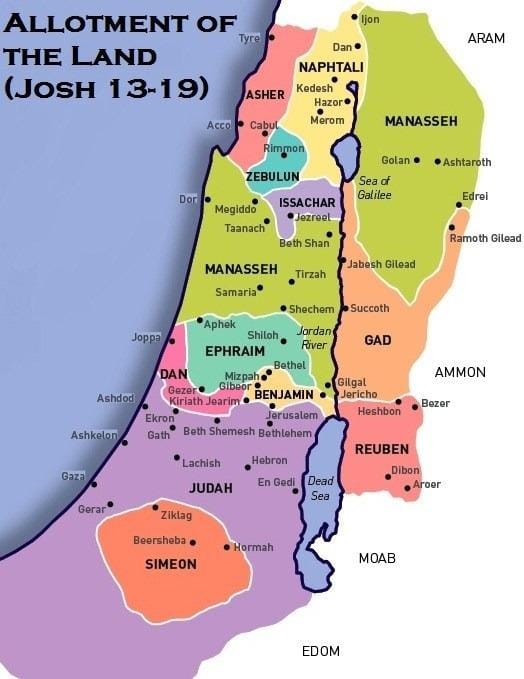
When I look at the map of Canaan after its division among the twelve tribes, I see the wisdom and beauty of the Almighty.
I wish to speak about every tribal inheritance, but today I will mention only three from the north: Naphtali, Zebulun and Issachar allotments.
Whenever I drive through Upper Galilee, my thoughts turn to the second son of Rachel through Bilhah—נַפְתָּלִי (Naphtali). His name comes from the Hebrew root פתל (patal)—"to wrestle, to struggle." His mother gave her son a lifelong legacy:
"I have wrestled..." (Genesis 30:8)
A blessing comes after the struggle.
When Jacob blessed his sons, he prophesied over Naphtali a gift of eloquence, noble speech, words that bring encouragement and joyful news.
Gen. 49:21
נַפְתָּלִי אַיָּלָה שְׁלֻחָה
הַנֹּתֵן אִמְרֵי־שָׁפֶר
"Naphtali is a released doe,
giving beautiful words."
We remember how joyful those words became after victory in the Song of Deborah and Barak (Judges 5), where the warriors of Naphtali were among the first to offer their lives and became the bearers of Israel's first great national deliverance.
Then the terror came from the north of the country. Assyria swept down upon the land. It was Naphtali who first heard the thunder of the invading armies, first heard the screams of children and women, and first tasted the bitter night of exile.
Yet Isaiah saw another sound echoing across the centuries:
"The people walking in darkness have seen a great light."
It was upon those very roads, worn by fear and sorrow, that the Great Light first placed His young feet. The first territory devastated by the Assyrians became the first territory promised restoration. The valleys that had welcomed the darkness became the mountains from which the sunrise was first seen.
Their valleys were the first to resound with joyful proclamation, the first horizon to behold the dawn of the Messiah.
Now my road turns westward, toward the territory of זְבוּלֻן (Zebulun). The next chapter in the geography of redemption.
His name springs from the Hebrew root זבל (zāval)—"to dwell," "to honour," "to exalt." Leah whispered over her sixth newborn son, "Now my husband will dwell with me" (Genesis 30:20). A mother's longing became a son's name.
Jacob looked beyond the hills of Galilee and saw another destiny:
"Zebulun shall dwell by the seashore;
he shall become a haven for ships." (Genesis 49:13)
Unlike Naphtali, whose mountains sheltered swift-footed warriors, Zebulun received fertile valleys stretching toward the Great Sea. Ancient trade routes crossed his land. The Via Maris, the great highway linking Egypt with Damascus and Mesopotamia, passed through his inheritance. Merchants, sailors, travellers, and strangers carried languages, ideas, and news across his borders. God placed Zebulun not at the edge of history, but at one of its busiest crossroads.
Centuries later, it was no accident that Capernaum, on the border of Zebulun and Naphtali, became the Messiah's ministry home. These were the roads His sandals touched most often. The highways that once carried the commerce of the nations became the highways of the Gospel.
What Leah longed for in her home, God fulfilled on a far greater scale. The tribe whose name spoke of dwelling became the place of His dwelling among His people. The crossroads of the nations became the crossroads of redemption.
Whenever I travel through the Jezreel Valley and the garden-like region of Mount Carmel, I think of Zebulun as the tribe that produced the sacred royal blue dye (tekhelet) from the sea snail Murex trunculus—the sacred colour woven into the garments of the High Priest and into the tzitzit, which called Israel to remember the commandments of God.
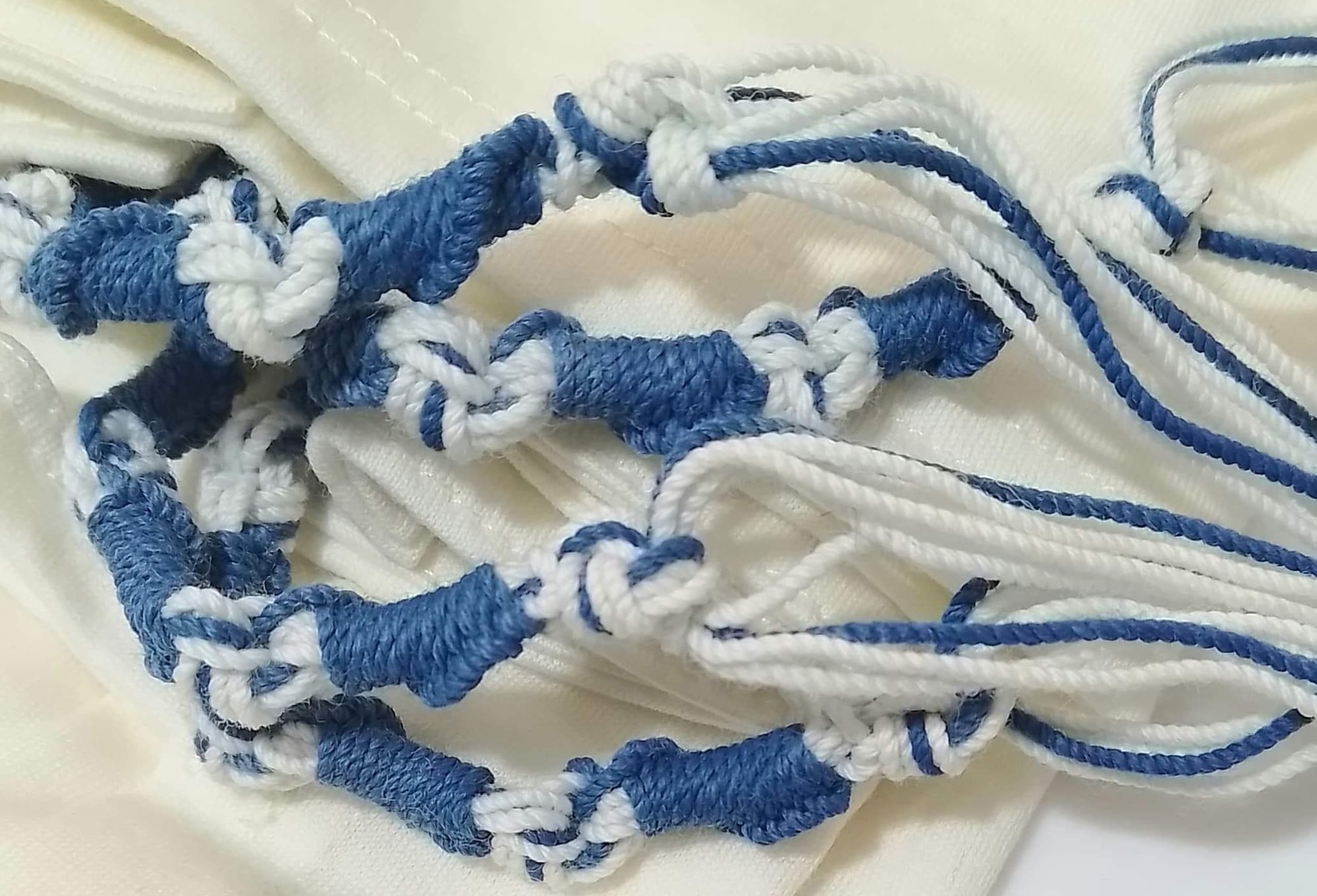
I admire Zebulun for the sacrifice that still speaks powerfully today. Through his trade he supported his elder brother Issachar, born to the same mother, Leah, who lived to the east of the Jezreel Valley and dedicated himself to the study of the Torah. Without his beloved younger brother, his family and the expenses of his scholarly life would never have been provided for.
We recall Moses' beautiful blessing over the two brothers:
"Rejoice, Zebulun, in your going out (trade and commerce), and Issachar, in your tents (the life of Torah study)." (Deut. 33:18)
As they grew into young men, they began to recognize the gifts God had placed within each of them. Issachar possessed an extraordinary love for the Word of God. His delight was to sit in the tents of learning, searching the Scriptures, asking questions, and uncovering the treasures of divine wisdom. Zebulun, on the other hand, had the heart of a merchant. The sea called him. He understood trade, recognized opportunities, and had the courage to sail to distant lands.
One day the two brothers sat together and made a covenant.
Zebulun took his older brother's hands and said,
"My brother, God has given you a heart that burns for His Torah. Do not leave the house of study because of the burden of earning bread. Go, immerse yourself in the wisdom of the Holy One. Let the light of His Word never fade from your home. I will go out upon the seas. I will labour with my hands, travel among the nations, and whatever the Lord blesses me with, I will gladly share with you. Your family shall never lack food, clothing, or anything they need."
Issachar looked at his beloved younger brother with gratitude and replied,
"And I will give you what no merchant can ever purchase. While your ships cross the seas, my prayers will rise to Heaven for you. While your hands are busy in the marketplaces, my hands will open the scrolls of the Torah. The wisdom that God grants me will never belong to me alone. It will belong to your household as well. Your children shall grow up in the light of the Torah, and the blessing of God's Word will rest upon your home. Though we labour in different places, we shall share one reward before the Lord."
From that day onward, the brothers walked different roads, yet they fulfilled one calling. Zebulun's ships carried goods across the seas, while Issachar's voice filled the tents of learning. One sustained the body of his brother's family; the other nourished its soul. Neither considered his own work greater than the other's, for each understood that the Kingdom of God is built by many different hands.
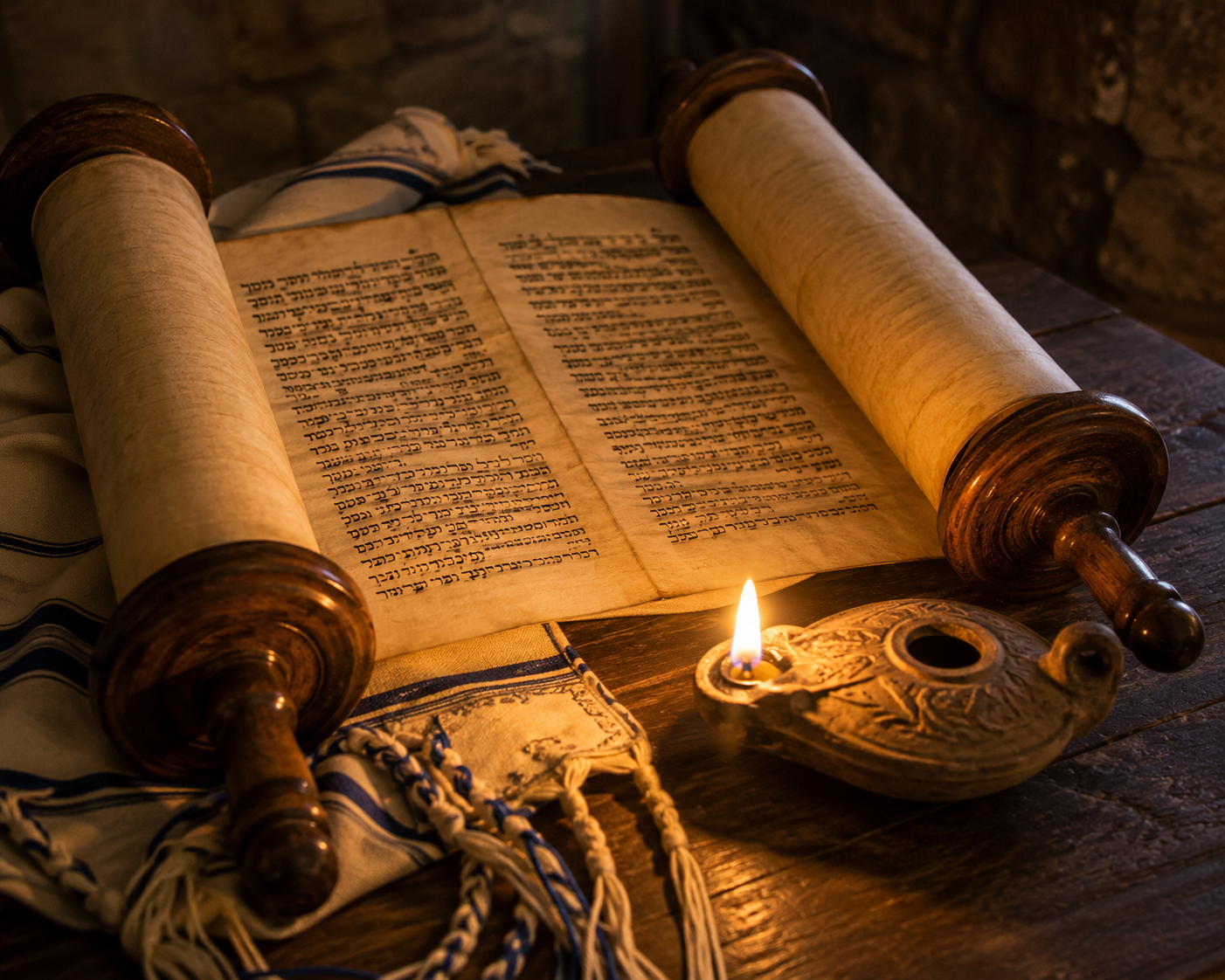
We have looked briefly at only three lands: Naphtali, Zebulun, and Issachar. I hope you have learned a little lesson.
The geography of the Holy Land is a story of redemption written in its deserts and rivers, its valleys and mountains. We are invited to sit at her feet as she tells the story of her heroes and of her Creator.

Member discussion: