Where the Stone Turns: A Journey from Gilgal to Golgotha.
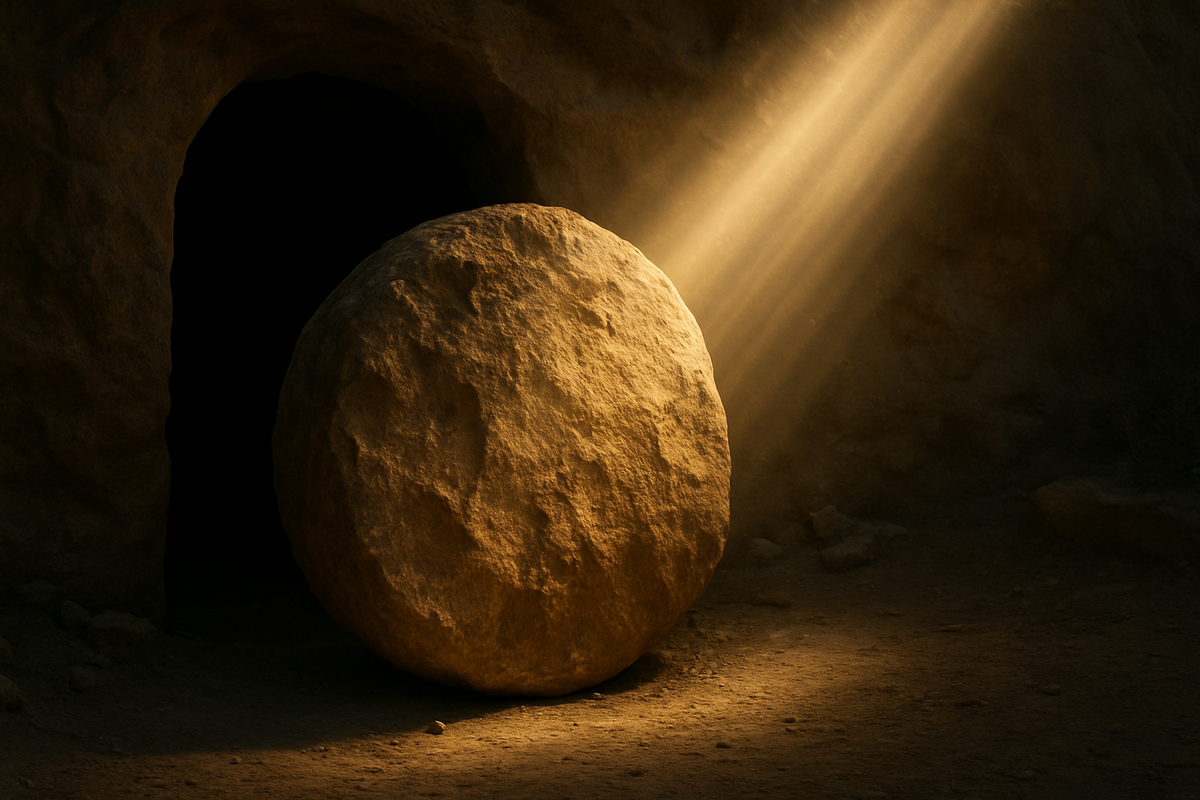
The Hebrew root גלל (galal) appears across Tanakh with a remarkable semantic range. At its core, the root conveys the idea of rolling, turning, or shifting weight. From this root emerge words that describe stones, wheels, circular movement, the skull, and even metaphors for the removal of burden or the unveiling of new possibility.
This linguistic field surrounds two biblically significant locations whose names echo this root:
Gilgal, the first encampment Israel established after crossing the Jordan, and
Golgotha, the skull-shaped hill recorded in the Gospels.
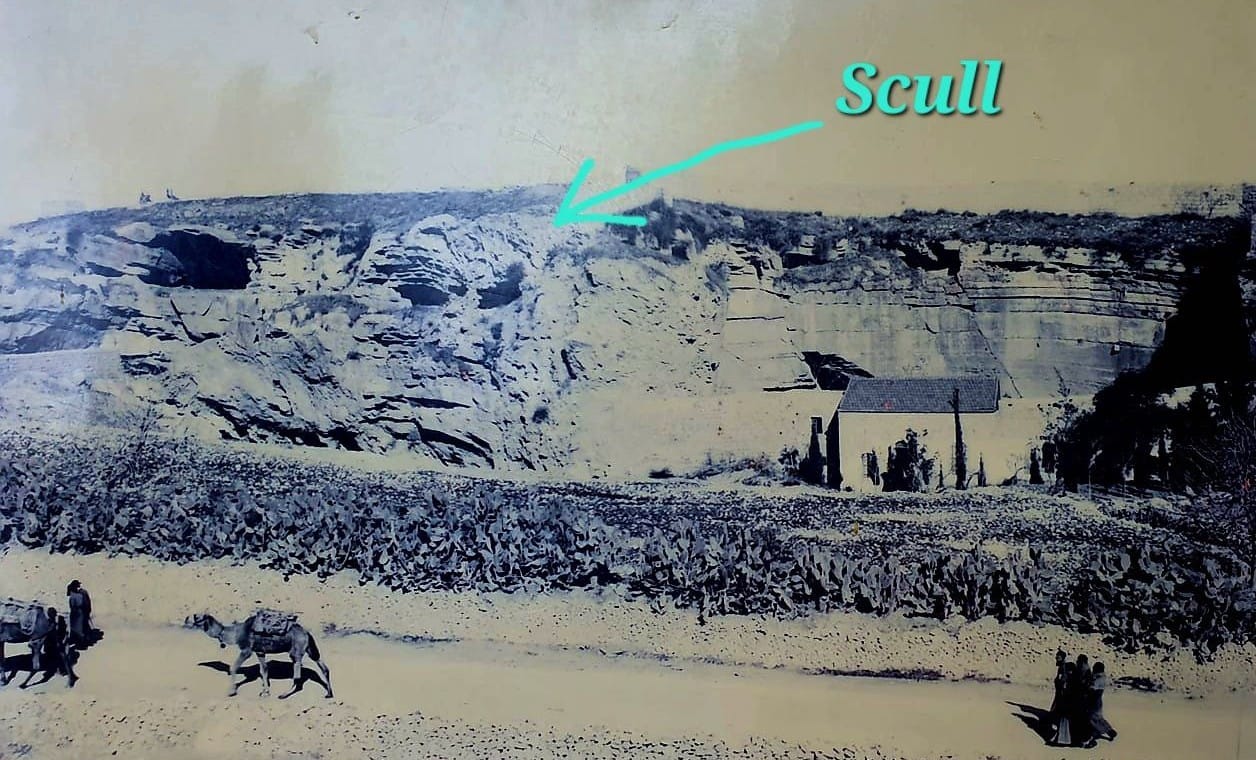
Though separated by centuries and covenantal eras, both sites carry imagery of circles, stones, and the act of rolling—imagery that becomes a quiet thread through Scripture, linking moments of transition, release, and divine intervention.
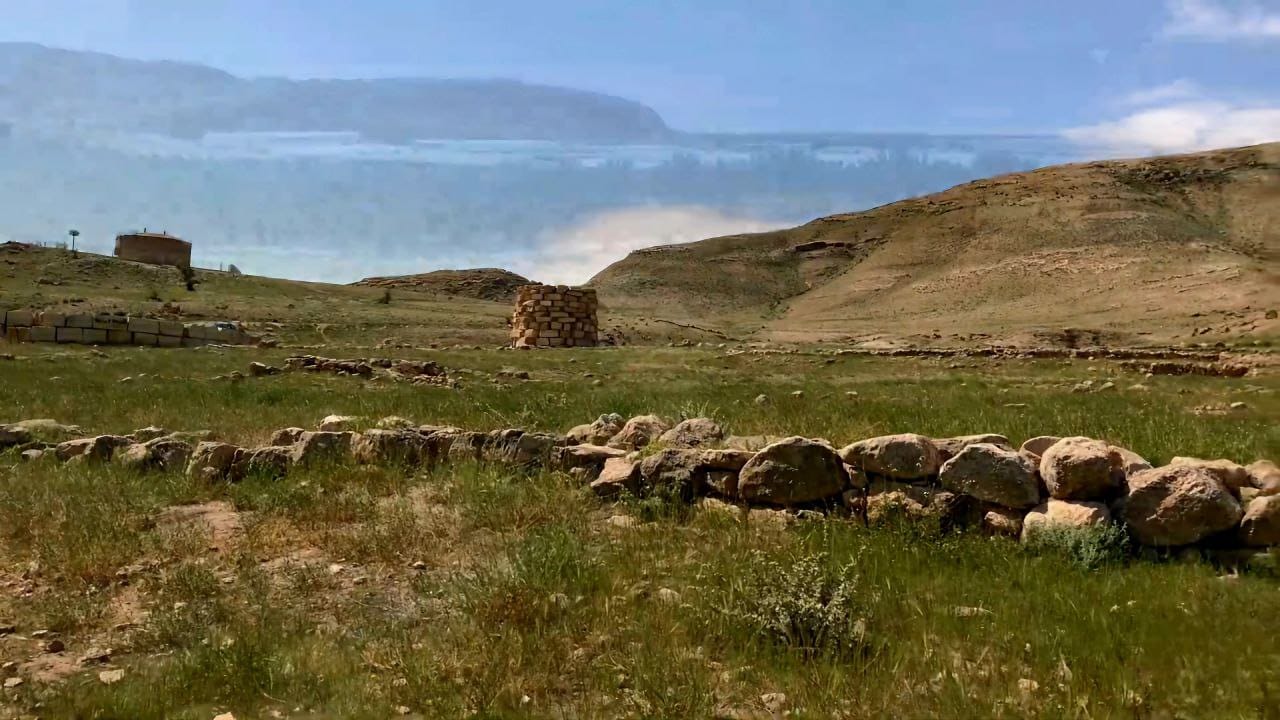
At Gilgal, the stones stood in a circle,
twelve memories lifted from the Jordan’s belly,
smoothed by water and arranged like a crown upon the newborn land.
A circle—closed, steady, perfect—
the geometry of promise and beginning.
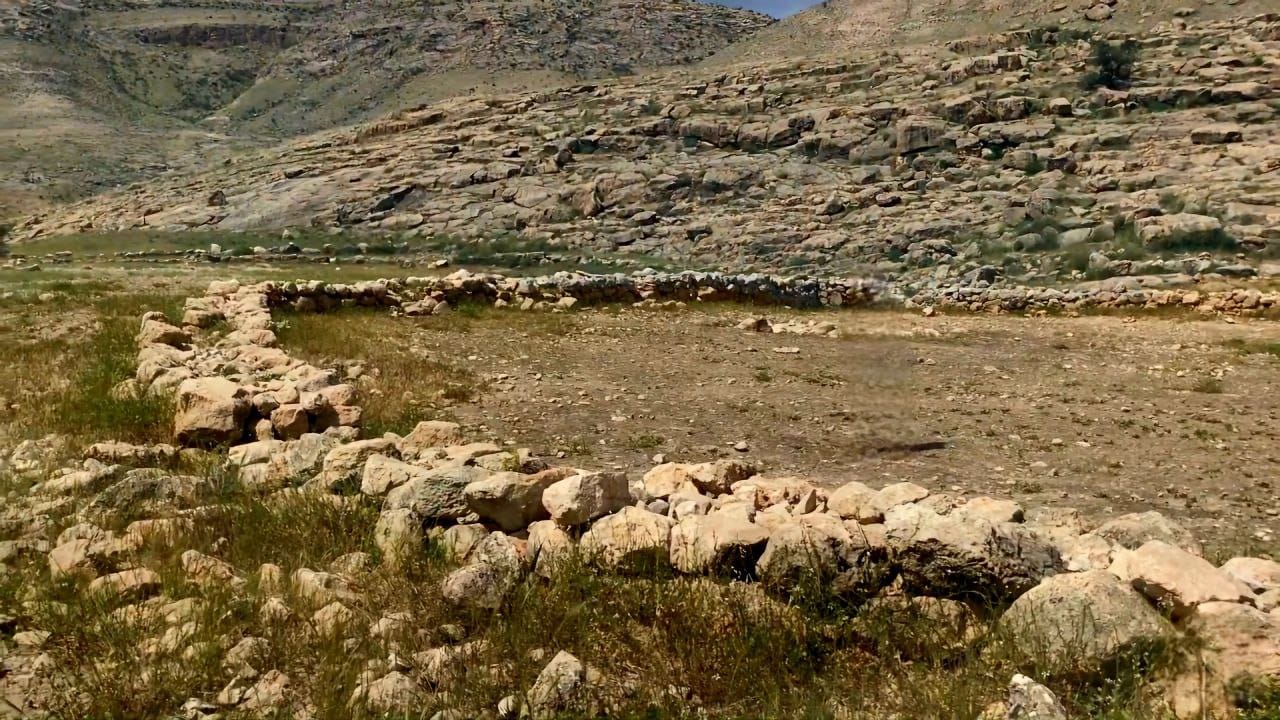
And in that ring of stones,
God spoke of rolling away:
rolling away shame,
rolling away yesterday,
rolling away the imprint of Egypt
still clinging to Israel’s shoulders.
Gilgal is movement.
Gilgal is turning.
Gilgal is that moment when the past loosens its grip,
and the future steps forward barefoot
onto promised soil.
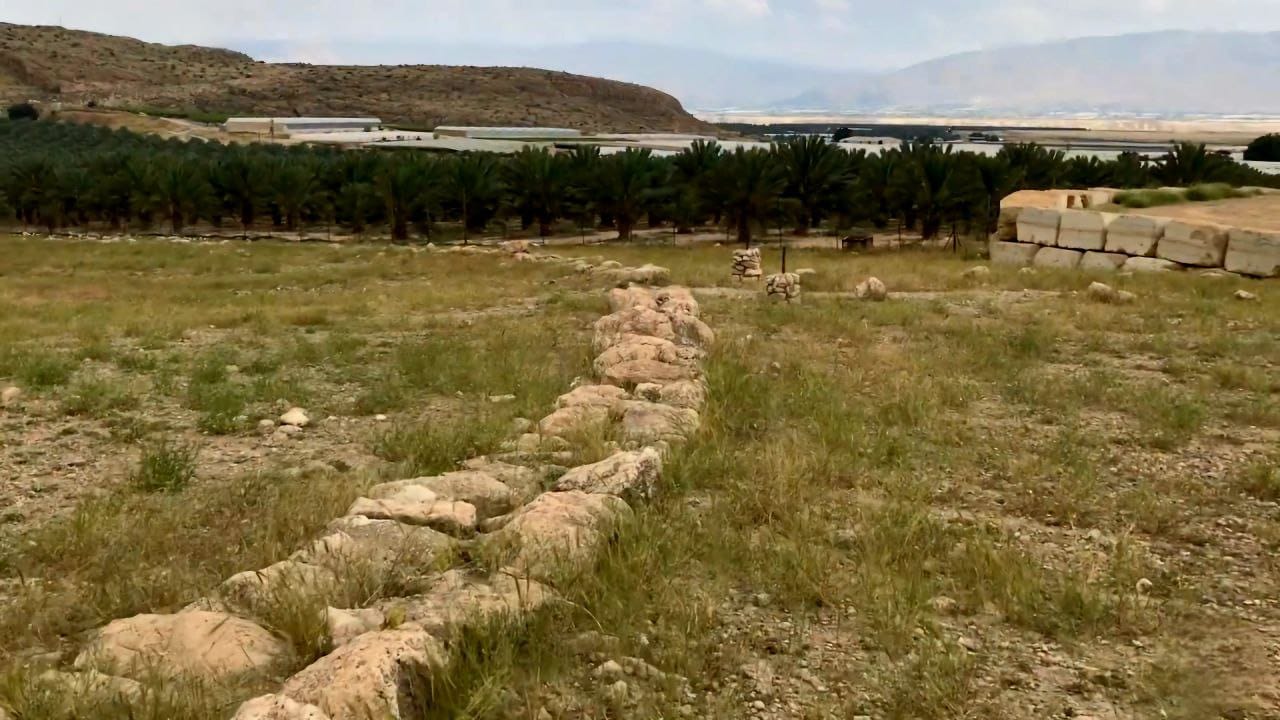
But follow that root—trace its echo forward—
and you find yourself upon another hill.
A hill called Golgotha, from gulgolet—the skull.
Round, stark, the architecture of a human head,
the globe of thought and breath,
the silent vessel of every hope, fear, memory.
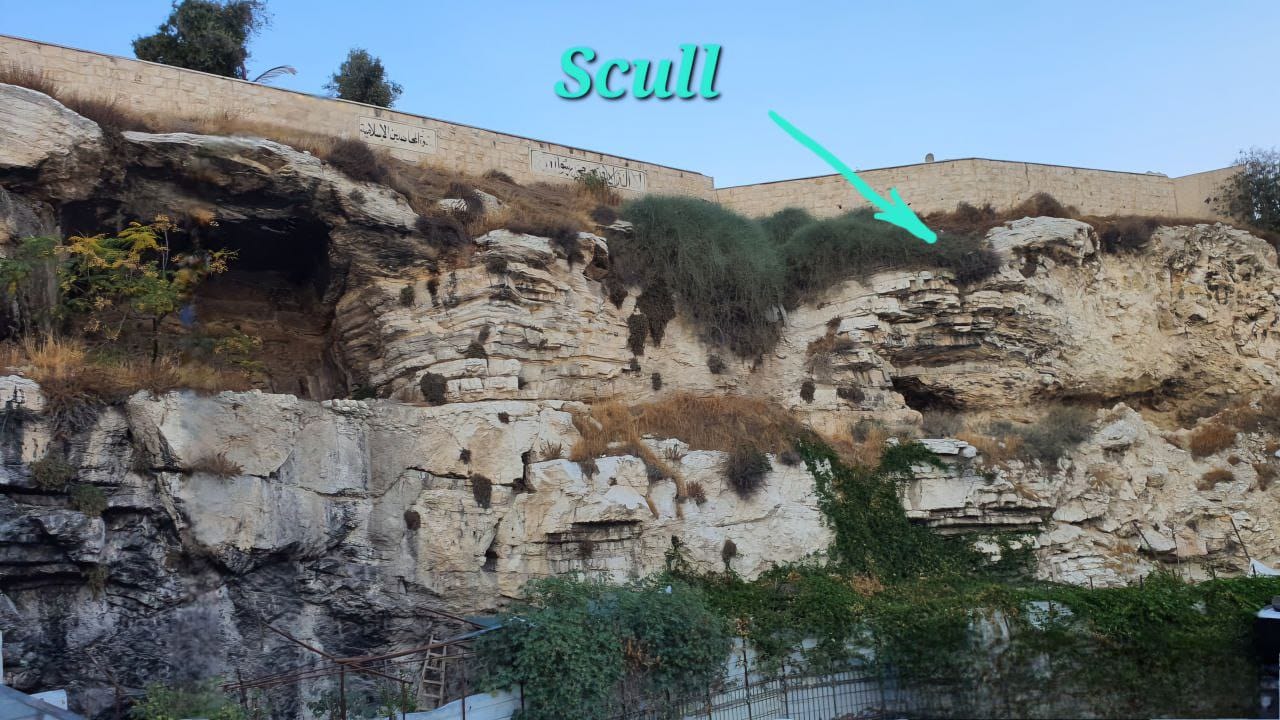
Golgotha— a place shaped like a skull,
a roundness staring up at the sky,
as if all evil of this world lifted its head
to face its Creator.
And again the image of rolling returns—
not stones taken from a riverbed,
but a stone sealing a tomb,
round as the skull-shaped hill above it.
A stone waiting for dawn.
A stone waiting for breath.
A stone waiting for the hand of God
to touch it with that ancient verb:
לגלול – to roll.
Gilgal had a circle of stones.
Golgotha had a single stone—
heavy enough to hold the grief of the world.
Both places held the hush
right before God moved.
Gilgal: stones rolled onto the land
as a testimony.
Golgotha: a stone rolled away from the grave
as a declaration.
And perhaps this is the quiet invitation
hidden in the language of Scripture:
that every life carries its own Gilgal—
a threshold where God rolls away the remnants of yesterday—
and its own shadow of Golgotha,
where heaviness rests like a stone sealing hope.
And maybe—
maybe every time God rolls something away,
whether from a nation
or a human heart,
the echo is the same:
a quiet turning,
a breath of newness,
a circle opening,
a stone shifting,
light slipping through the seam.
Gilgal.
Golgotha.
Two hills.
Two stones.
One ancient root גלל (galal) that keeps whispering
into every life willing to hear:
“Rise.
Walk forward.
The stone is already rolling.”