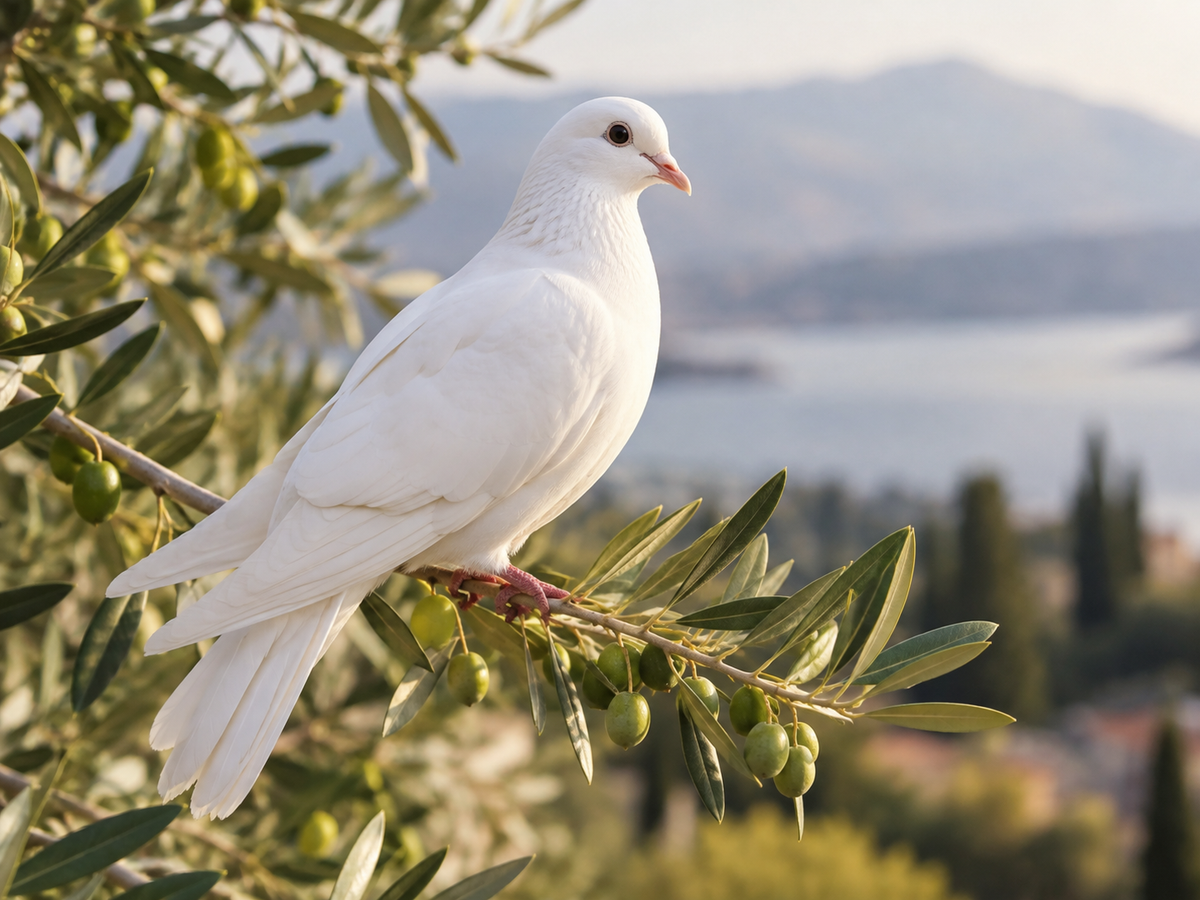
I spent this week diving into the portion of Scripture about the Flood. When was the last time you really lived through the words of this portion? We have become so disillusioned with the reality of the event through children’s pictures of an attractive ark shape, happy pairs of animals, and a bright rainbow that we lose the essence of the message. I could talk or write about this event for days, but let me save your time and open for you, at least slightly, a “window” into the boat so you can fly in.
The eruption of all the waters above and below, forty days and forty nights of storm, and the rising of the waters for 150 days. After five months enclosed in the ark, its inhabitants felt a thump.
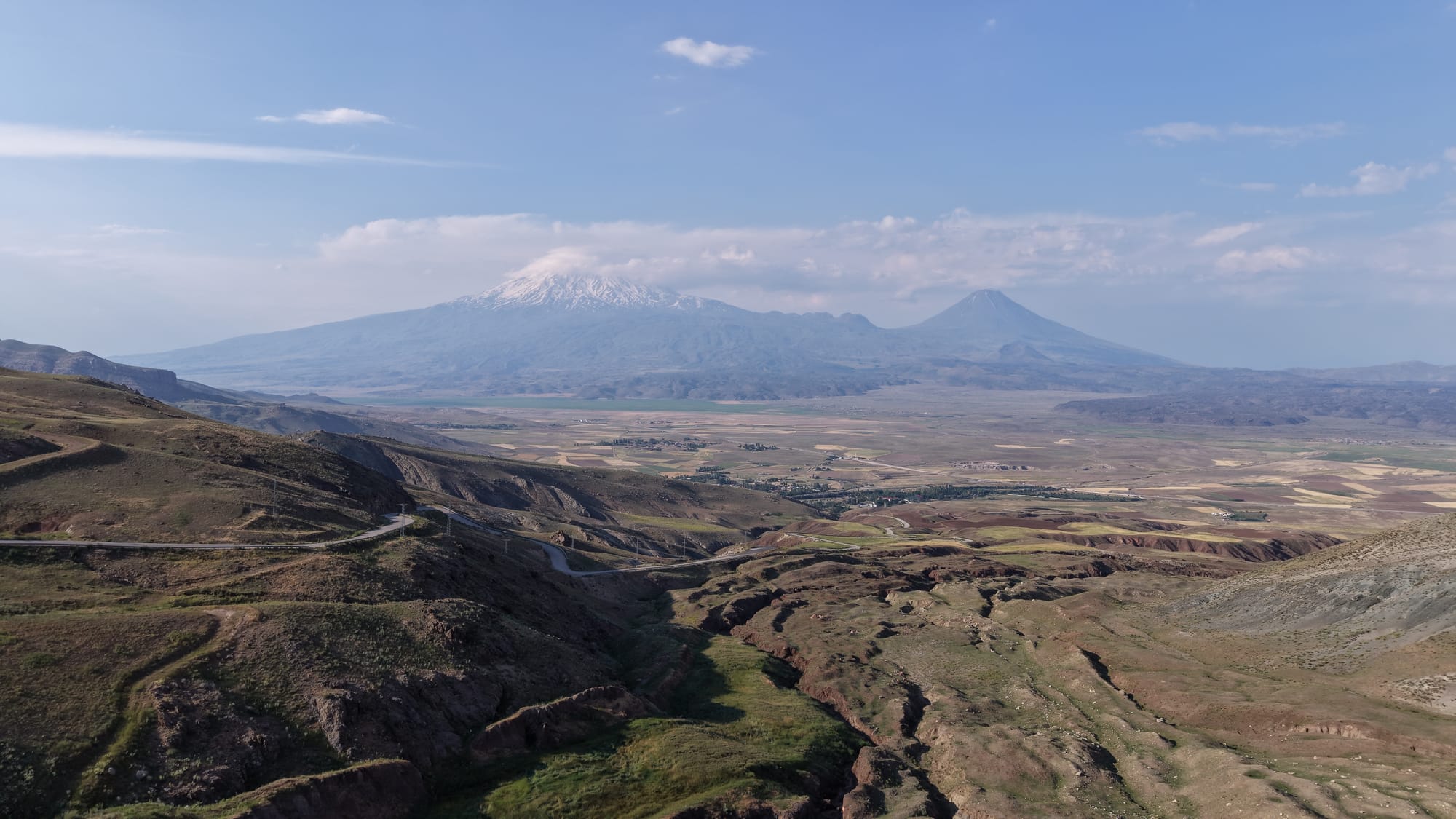
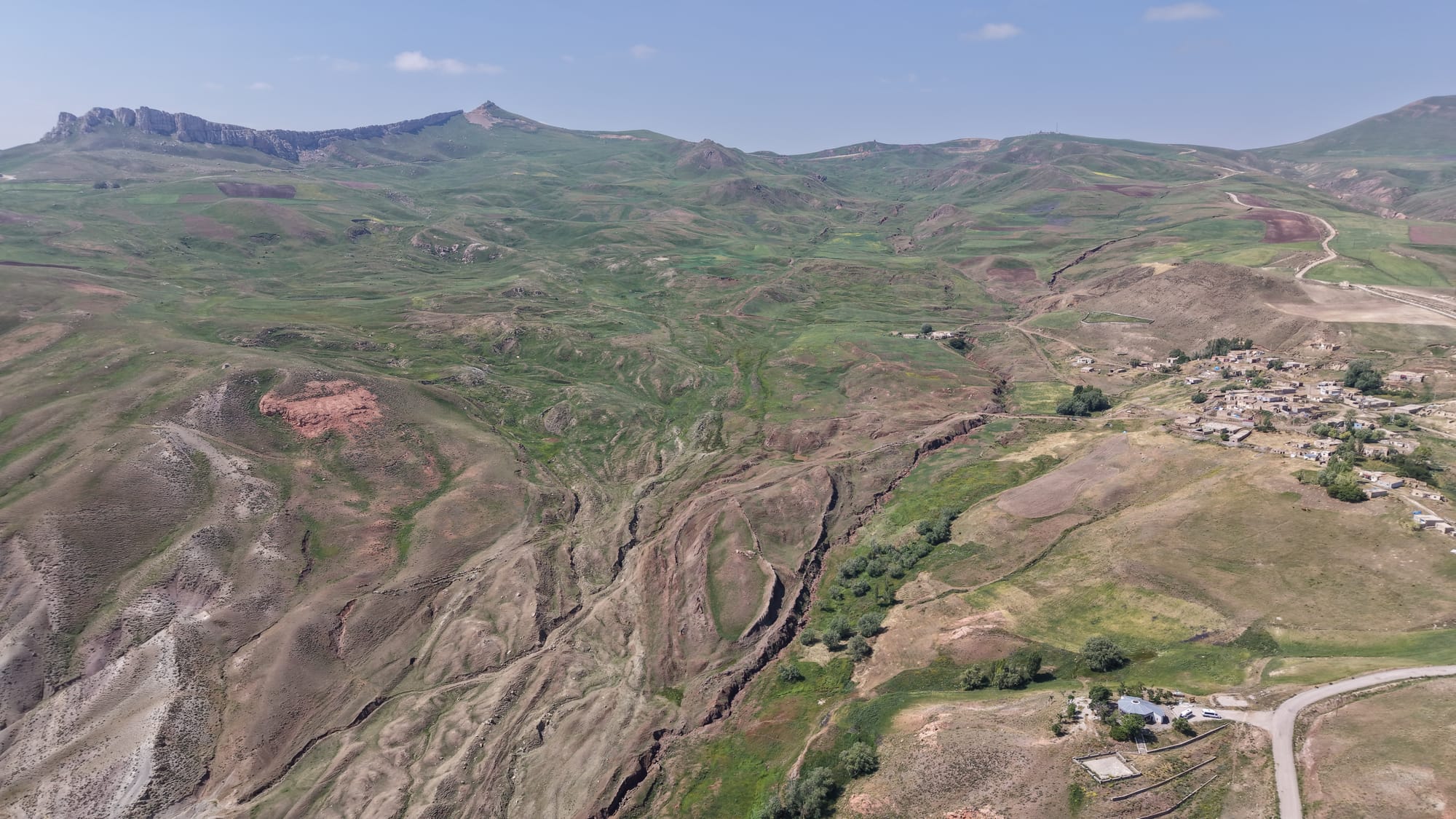
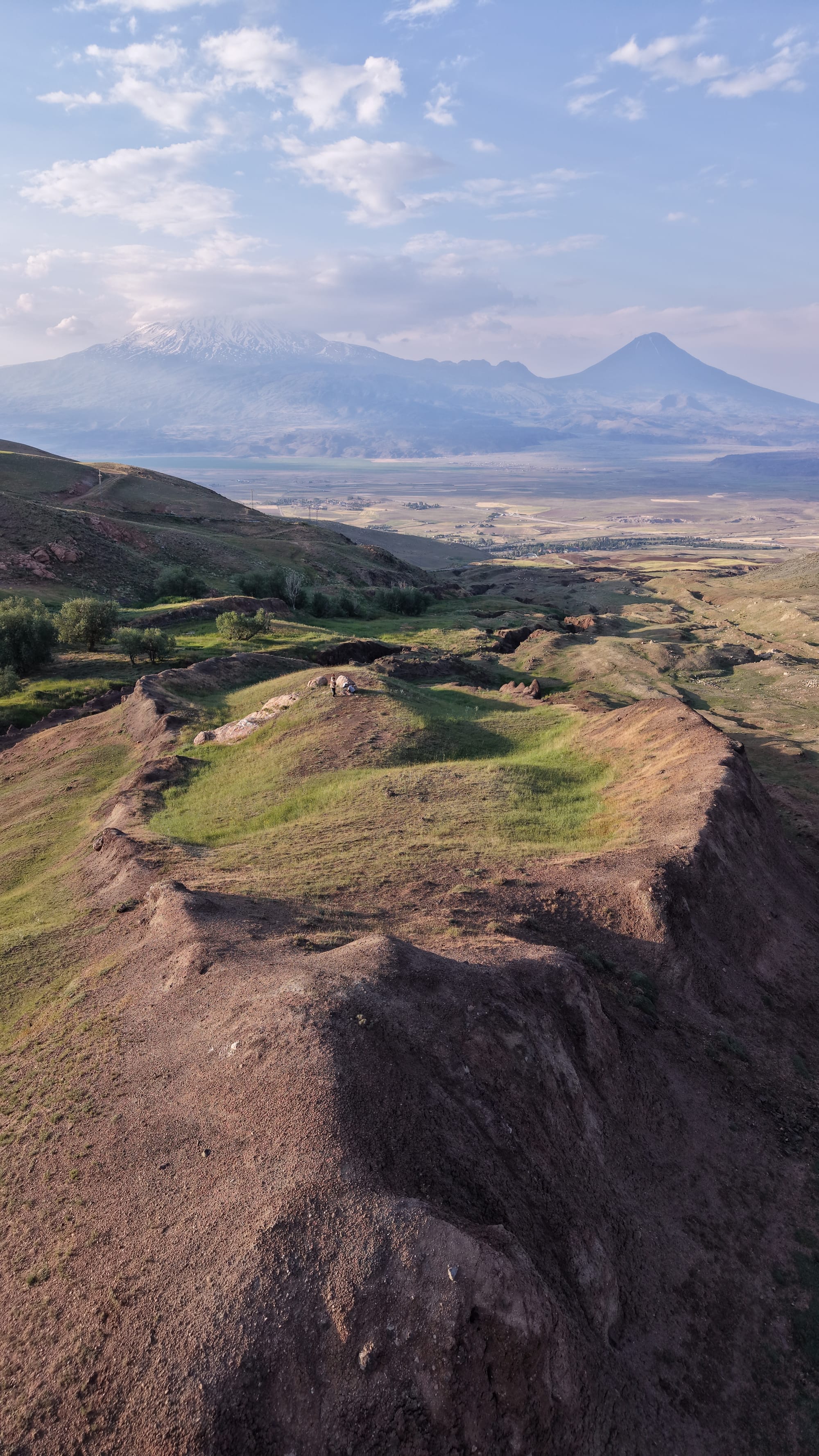
The ark came to rest in the mountains of Ararat, Durupınar (Eastern Turkey), above 2000 m elevation.
וְהַמַּיִם הָיוּ הָלוֹךְ וְחָסוֹר
“And the waters were continually decreasing” (Gen. 8:5).
It seems like Noah can see the tops of other mountains around emerging:
נִרְאוּ רָאשֵׁי הֶהָרִים
“The tops of the mountains were seen.”
If any of you have ever stood on the barren, ragged mountaintops deep in the Sinai Peninsula, Egypt, you may know the feeling. I get goosebumps looking at the desolation of the horizon all around. It almost seems as if God preserved a few fragments of the world exactly as it may have opened before Noah’s eyes — the convulsions of those broken, sharp, deformed masses: excruciatingly hopeless, bare, and deeply depressing.
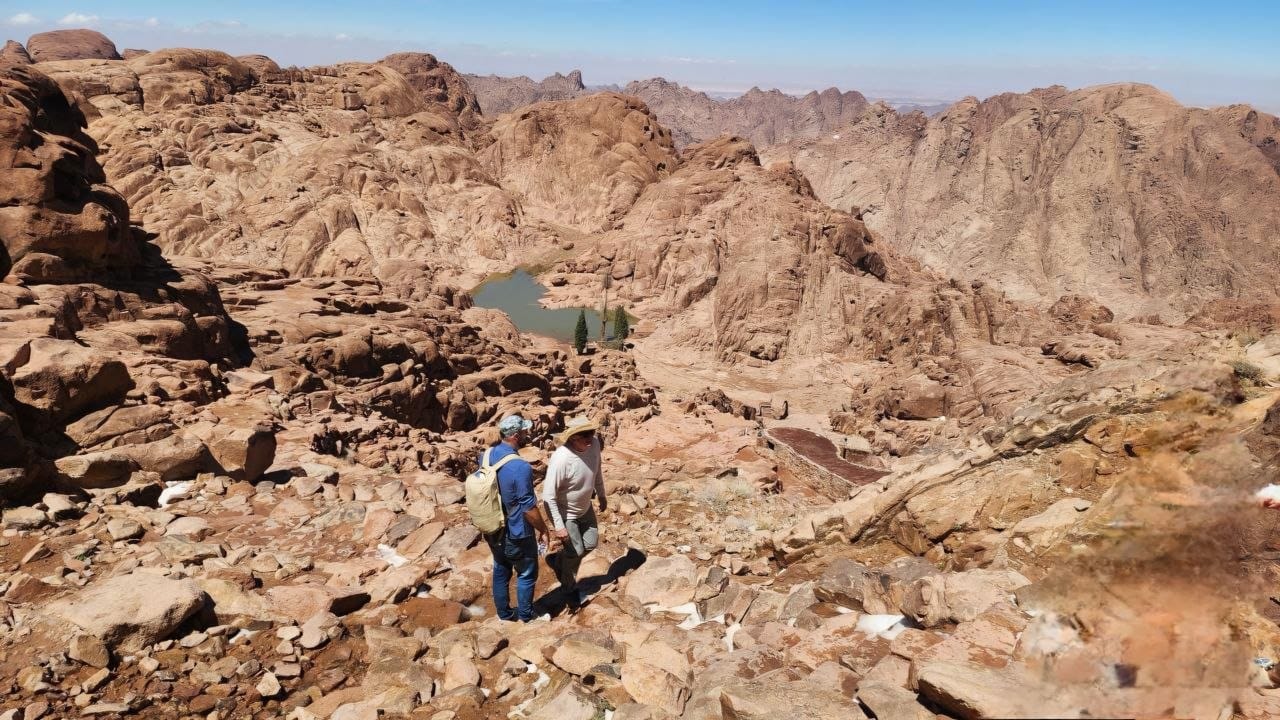
Did God ever promise Noah that everything was going to be good?
— Noah, don’t worry about this world disaster. There’ll be a lot of water for a while, but I’m just renovating the world. You know, once the water recedes, it’s going to be wonderful. It’s going to be great.
No, not until the end. What did God say to Noah?
He said that He is destroying every living thing from the face of the earth. And He is going to keep up His covenant with him. But He never quite told Noah about the endgame, how the world after the Flood would look. The command פְּרוּ וּרְבוּ וּמִלְאוּ אֶת־הָאָרֶץ — “Be fruitful and multiply and fill the earth” — have all these children — belongs to what comes later.
You know what it reminds me of? Imagine an apocalyptic scenario, or a terrible natural disaster, and we are all huddled in our basements without yet knowing what is actually happening outside. The one thing you want to find out, even before you know when the signal to come out will be, is what exactly is happening out there. That is more important than when you can come out.
Noah had not yet received any indication from the One who had put him inside — how, or when, he could leave. It will happen only after 7 months of wait. So, in the meantime, he decides on an experiment.
He sends out a bird to survey the quality of the earth. The bird is the original Twitter. He's coming back with a tweet, the news. Right? It's going to be your first evidence that the world can be habitable.
But right now Noah, I suggest, is uncertain: God did say there'd be a covenant. Why do you think God's saving me and the family? Obviously God wants to repopulate the earth. Why do you think I have these animals?
But, you know, as time goes on and you wait, and wait, suddenly there's this pit in your stomach and you ask yourself, how much can I trust from the fact that God said there'd be a covenant? I mean, what's the meaning of that covenant? What's the meaning of these things? Is it possible that the decree of destruction was absolute? I mean, He did say the end of all flesh is going to come before me.
And then why save us? I don't know. Maybe justice declared that some human being needed to be a witness to the destruction. And we are that witnesses, right? We're the ones to see it all destroyed. And then we're going to go and live out our lives on some barren mountaintop until we perish, too.
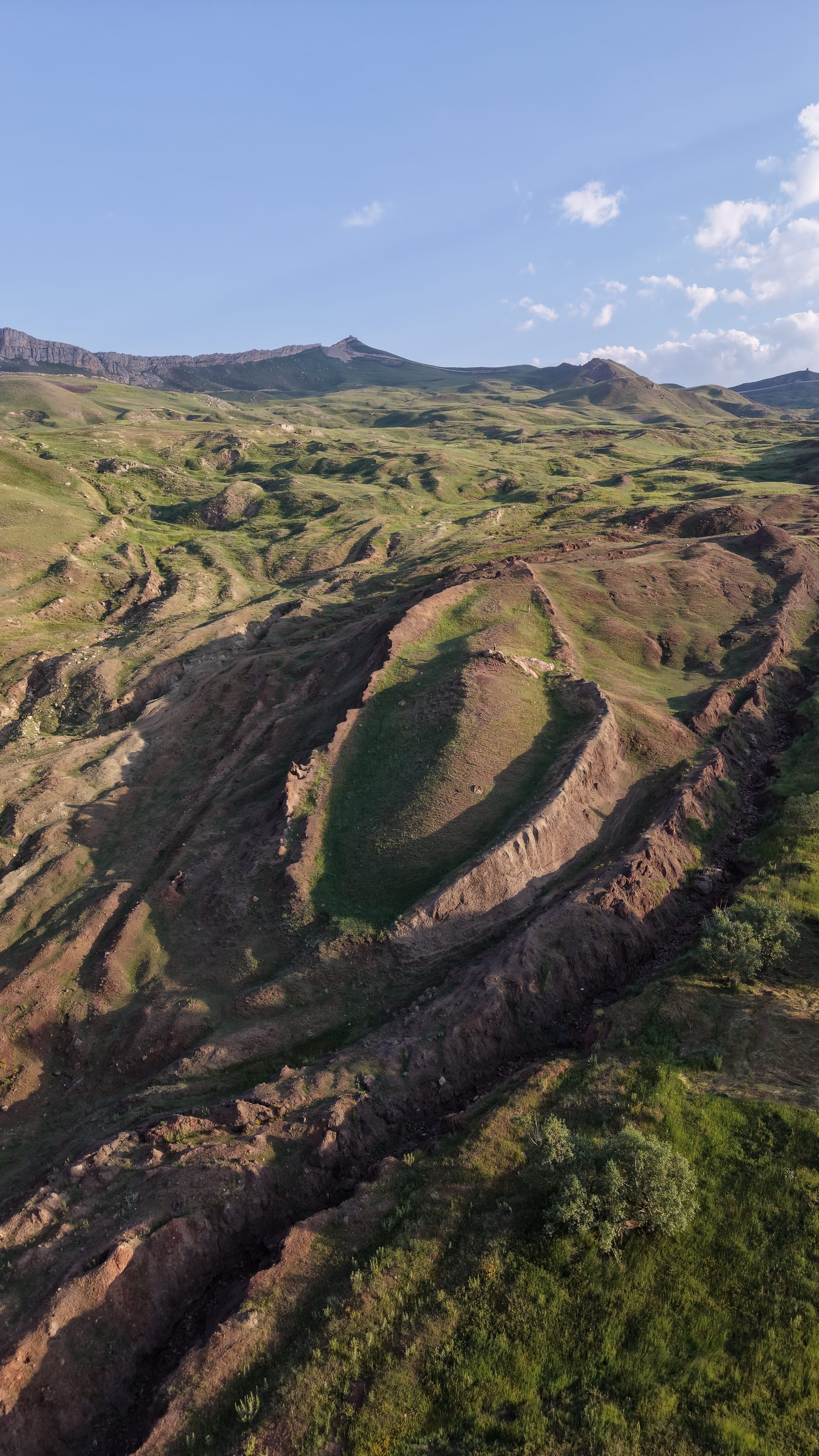
Now after this inner dialoge we are in a position to understand why the Torah harps on these four flights of the birds. This is the author highlighting for us the mind games in Noah's head.
First, he sends out עֹרֵב —orev, the raven (Gen. 8:7):
וַיֵּצֵא יָצוֹא וָשׁוֹב עַד־יְבֹשֶׁת הַמַּיִם מֵעַל הָאָרֶץ
“And it went out, going and returning, until the waters dried from upon the earth.”
The raven never truly leaves the vicinity of the ark, and it does not bring Noah what he needs to know. Raven seems to just circle back and forth around the boat. He basically failed the experiment because he is so frightened that he is not letting the boat out of his sight. It's like:
- Go over there, those mountains, check those out.
- No, I am not getting away from this boat.
- Okay, we got to try this again.
Noah didn’t want that bird to come back, he wanted the raven to find a home out there, show that life can have a home after this apocalypse.
לִרְאוֹת הַקַּלּוּ הַמַּיִם מֵעַל הָאָרֶץ
“Has the water receded” (Gen 8:8).
But interestingly, the word “receded” is not quite “receded.” הַקַּלּוּ — ha-kallu. Kal means light. The waters lightened itself. Almost like the water was strangling the earth. The water let go of its grip upon the earth. Is there life? Or did the water strangle all out of the ground?
The water is the executioner here, it might execute is not just the people, but the land itself. And if you go back to the Flood story, when God says He is going to destroy the world:
וַתִּשָּׁחֵת הָאָרֶץ לִפְנֵי הָאֱלֹהִים
“The earth was corrupted before God,”
and
הִנְנִי מַשְׁחִיתָם אֶת־הָאָרֶץ
“I am going to destroy them along with the earth.” (Gen 6:13)
So it sounds like the earth itself had somehow become polluted through all of the violence, and it too was going to be destroyed at some level.
Then comes:
לֹא־מָצְאָה הַיּוֹנָה מָנוֹחַ לְכַף־רַגְלָה
“The dove could not find a resting place for the sole of its foot.” (Gen. 8:9)
It is a play on Noah’s name. מָנוֹחַ — ma-noah means a resting place, it also directly referres to Noah's name - נֹחַ - which means rest. The simple meaning is not merely that the dove could not find anywhere to put its feet, because we already know that the mountaintops were visible. It could not find a true ma-noah — a place of rest, a place that could become home. There was no repose for the bird, and in a sense, no place to settle down for Noah either.
So the dove comes back to the ark:
וַתָּשָׁב אֵלָיו אֶל־הַתֵּבָה
“And she returned to him, to the ark.”
Then the text becomes very personal.
וַיִּשְׁלַח יָדוֹ — Noah sends out his hand
וַיִּקָּחֶהָ — he takes her
וַיָּבֵא אֹתָהּ אֵלָיו אֶל־הַתֵּבָה — and he brings her back to himself into the ark
Look how personal this is: he does not simply let the bird find its own way back through an opening or sit outside. She did not bring the best of news, but Noah reaches out for her. It is a quiet, loving acceptance. Here is something deeply loving in the semantic, a hidden little relationship between Noah and the bird.
Then the text continues:
וַיָּחֶל עוֹד שִׁבְעַת יָמִים אֲחֵרִים
“And he waited yet another seven days.” (Gen. 8:10)
The word וַיָּחֶל — vayachel means that Noah waited. But the phrase “another seven days” immediately raises a question: another seven days compared with which first seven days?
If we look carefully at the Flood story, there was another period of seven days before the Flood. God had told Noah to enter the ark and announced that in seven days the rain would begin. In a certain sense, Noah waited then too. He could have protested. He could have spoken. He could have tried to warn people or argue against the decree. But Noah seems to accept the judgment. Who is he to argue with the Master of the universe? God had declared the earth evil and had determined that destruction was coming. Noah waited.
Now, after the Flood, he waits seven days again. But this time the waiting is different. He is hoping against hope that something outside has changed.
Then comes verse 11:
וַתָּבֹא אֵלָיו הַיּוֹנָה לְעֵת עֶרֶב
“And the dove came to him at evening.”
It is late. Noah is scanning the sky, and everything is dark. He wants to say goodbye to the bird, hoping she finds a new life on the new earth.
Then suddenly the bird appears. For a moment, her return seems like exactly the news he did not want: there is still nowhere to live. But as the dove comes closer, he sees something in her beak:
וְהִנֵּה עֲלֵה־זַיִת טָרָף בְּפִיהָ
“And behold, a freshly plucked olive leaf was in her mouth.”
If the dove found the olive leaf, why did she come back? A dove is a domesticated bird. I had a few laughing doves in my aviary, and they get very easily attached to you. For all those days and nights, the ark had been her world. Even when she discovered life beyond the ark, she still returned to the hand that fed and cared for her.
And now Noah releases her once more.
Suddenly hope is no longer only hope. Mercy has become visible. וַיֵּדַע נֹחַ — “And Noah knew.” He knows now that the earth will live again.
You would think this should be the end of the story. Noah already knows what he needed to know. But strangely, there is one more flight.
וַיָּחֶל עוֹד שִׁבְעַת יָמִים אֲחֵרִים
“And he waited yet another seven days.”
וַיְשַׁלַּח אֶת־הַיּוֹנָה
“And he released the dove.”
And this time:
וְלֹא־יָסְפָה שׁוּב־אֵלָיו עוֹד
“And she did not return to him again.” (Gen. 8:12)
The experiment is over. Noah knows that the world supports life, so why send the bird one last time? Perhaps this final flight is no longer for Noah at all. Perhaps it is for the bird.
The bird cannot remain with him forever. She has to be reintroduced into the world. As frightening as that new world may still be, it is now alive, and it must become her home. It means there will be a home for Noah and his family and his descendants too. A future for the world. Mercy triumphs over judgment.
P.S. A Note of Gratitude
My sincere thanks to Andrew Jones, an independent researcher and educater, one of the leading contributors to the Noah’s Ark research project, for his kindness and generosity in providing the photographs featured in this article. His dedication to exploring this remarkable site and his willingness to share his work and findings are deeply appreciated. More about this unique project you can find on his channel Noah's Ark Scans https://www.youtube.com/watch?v=gYdJR4_LhjA

Member discussion: