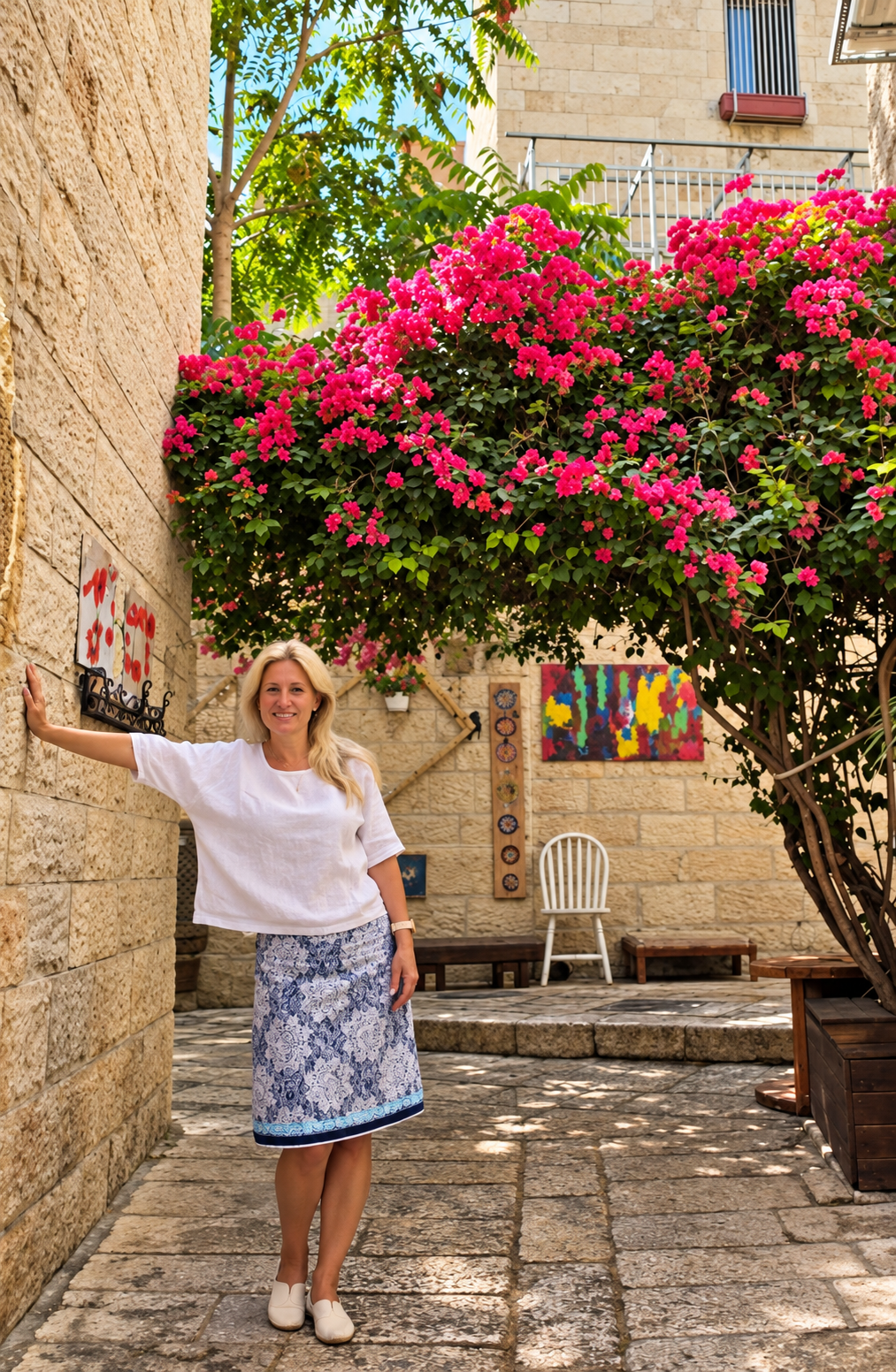
We as a family have just returned from Israel. It was a spontaneous yet deliberate trip, one we will never forget. It felt like opening a window into another world—a world living by entirely different realities, aspirations, and laws that govern your own country.
I wanted to experience Sukkot, the most joyful and beautiful celebration of the Jewish calendar. So I did – in all its glory — so exuberant, so vibrant and expressive, so deeply touching that I will carry it in my heart for the rest of my life.
“Sing for joy to God our strength; shout aloud to the God of Jacob! Begin the music, strike the timbrel, play the melodious harp and lyre. Ps. 81:1–2
In this little reflection I will share my impressions, from gigabytes of travel memories will pick up just a few – for you to see and feel.
Sukkot – the most joyful out of all biblical feasts.
We drove into the heart of Jerusalem, Jaffa Street on its fifth day, when the sun was already leaning low, pouring long shades across the paved stones, polished by countless footsteps. Honey-coloured limestone façades glowed in the very warm afternoon light.
People were out. Lots and lots of them. Traffic had come to a standstill, and the street belonged entirely to families with prams, young people, and the elderly, all dressed in their festive best. The young ladies in their long sleeve and angle long dresses looked so graceful, so effortlessly elegant, with a modesty that I found irresistible. I could hardly stop myself from asking each one, “Where did you buy that stunning dress? All of you?
The men—from young to old—in black and white, with kippot on their heads and tzitzit. Prams—hundreds of prams! Little children darted between them, siblings in matching outfits. How do you convince the intire population (let’s leave aside the Orthodox and strongly religious groups) to look so reverent and attractive?
They are out to celebrate and be joyful about something, which goes back 3,300 years to Moses, when the Torah was given to Israel.
“You shall dwell in booths for seven days. All who are native Israelites shall dwell in booths.”
“So that your generations may know that I made the children of Israel dwell in booths when I brought them out of the land of Egypt. I am the Lord your God.” Lev. 23:42–43
Yet, for forty years in the wilderness, the Israelites were not celebrating the Feast of Tabernacles. They were living its very reality, day after day. Their fragile dwellings, battered by wind and weather, leaning under the weight of time, patched here and there, were their only shelter beneath the wilderness sky.
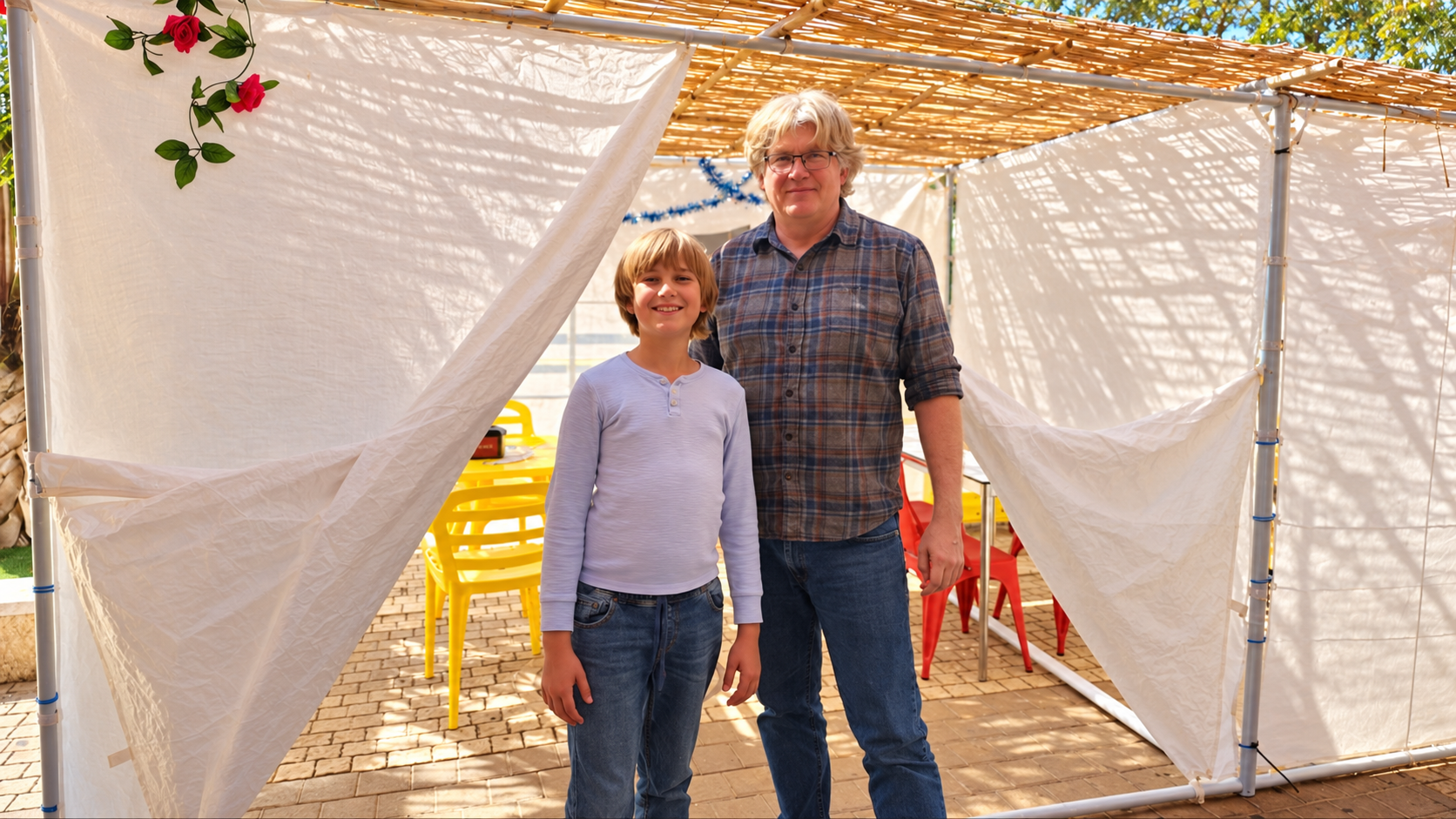
The Sukkah roof at the shore of Kinneret. It hadly ever shelter you from the heat and high humidity.
They did not yet need to build a sukkah to remember. Their entire life was a sukkah—a temporary dwelling, an uncertain refuge, a daily reminder of how little separated human frailty from the wilderness, and how completely they depended upon the sheltering presence of God.
Through its loosely woven roof of straw and leafy branches, we too glimpse the beauty of the heaven, while the still-hot sun casts dancing shadows upon the ground.
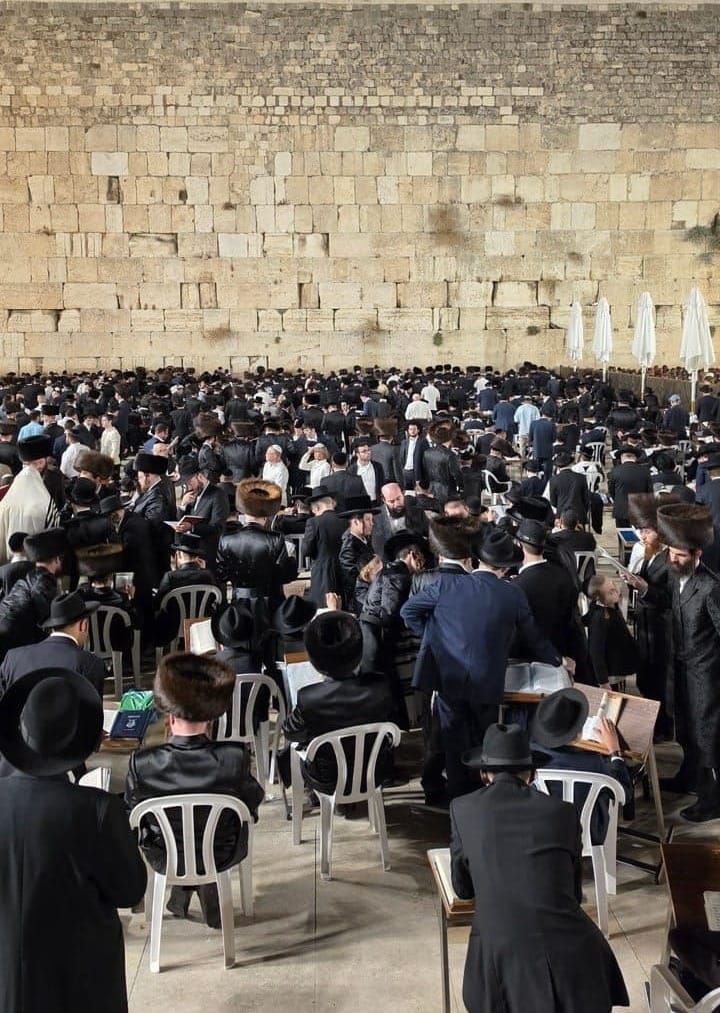
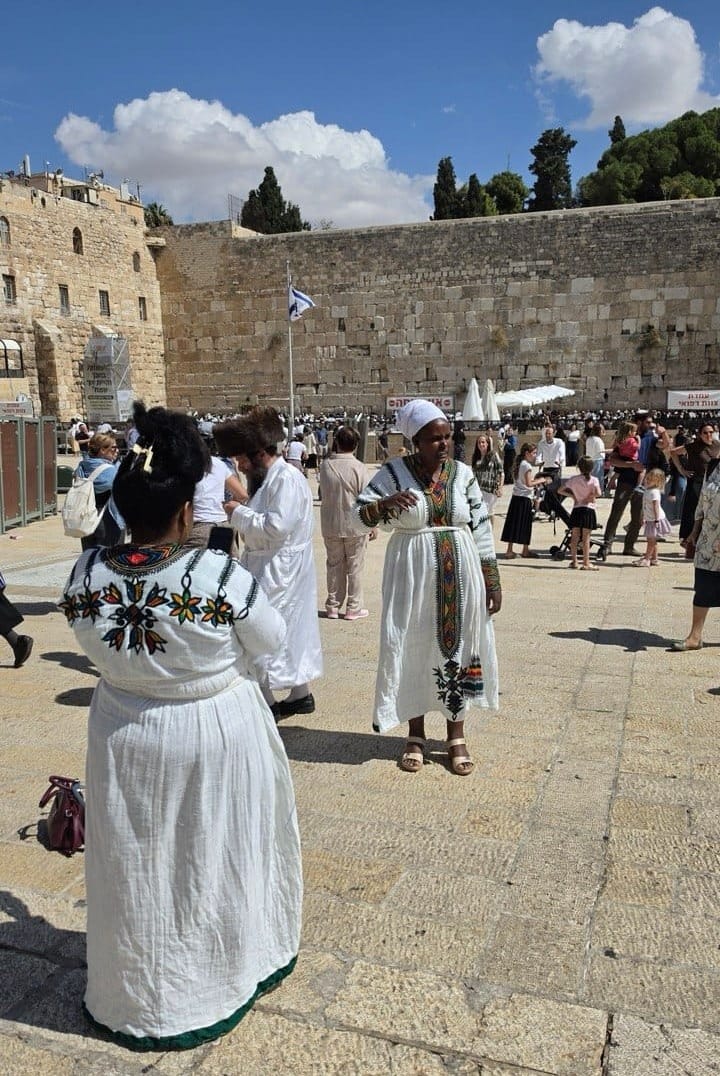
From 4:30 am streams of thousands flock to the Western Wall to send the gratitudes to the Allmighty, all day long till after sunset evening prayer the Plaza is packed with crowds.
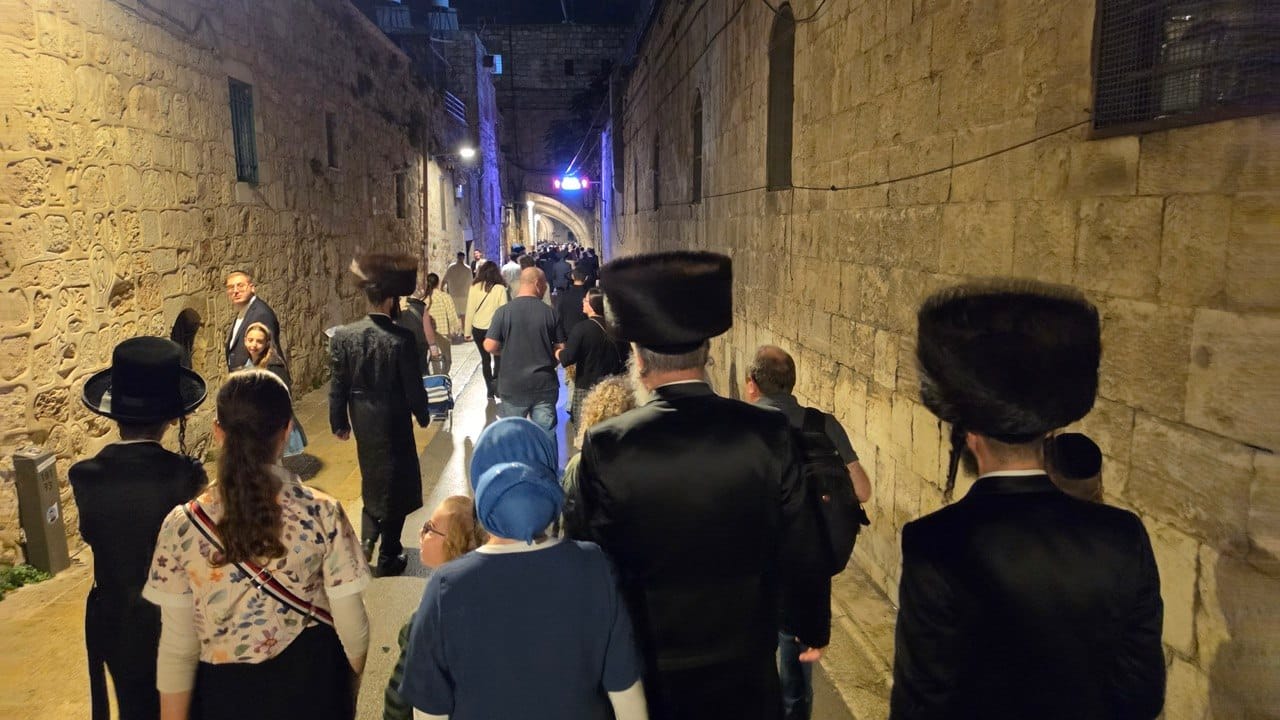
The nights are warm. The heat of the day has faded, and the air settles to almost the temperature of your own body. You feel neither warmth nor chill, no wind, only that delicious comfort. Pleasant, so very pleasant—as though you could fall asleep beneath the open sky, in the booth.
Nehemiah in his time gives instruction to the children of Israel:
“Go out to the mountains, and bring olive branches, branches of wild olive trees, myrtle branches, palm branches, and branches of leafy trees, to make booths, as it is written.” Neh. 8:15
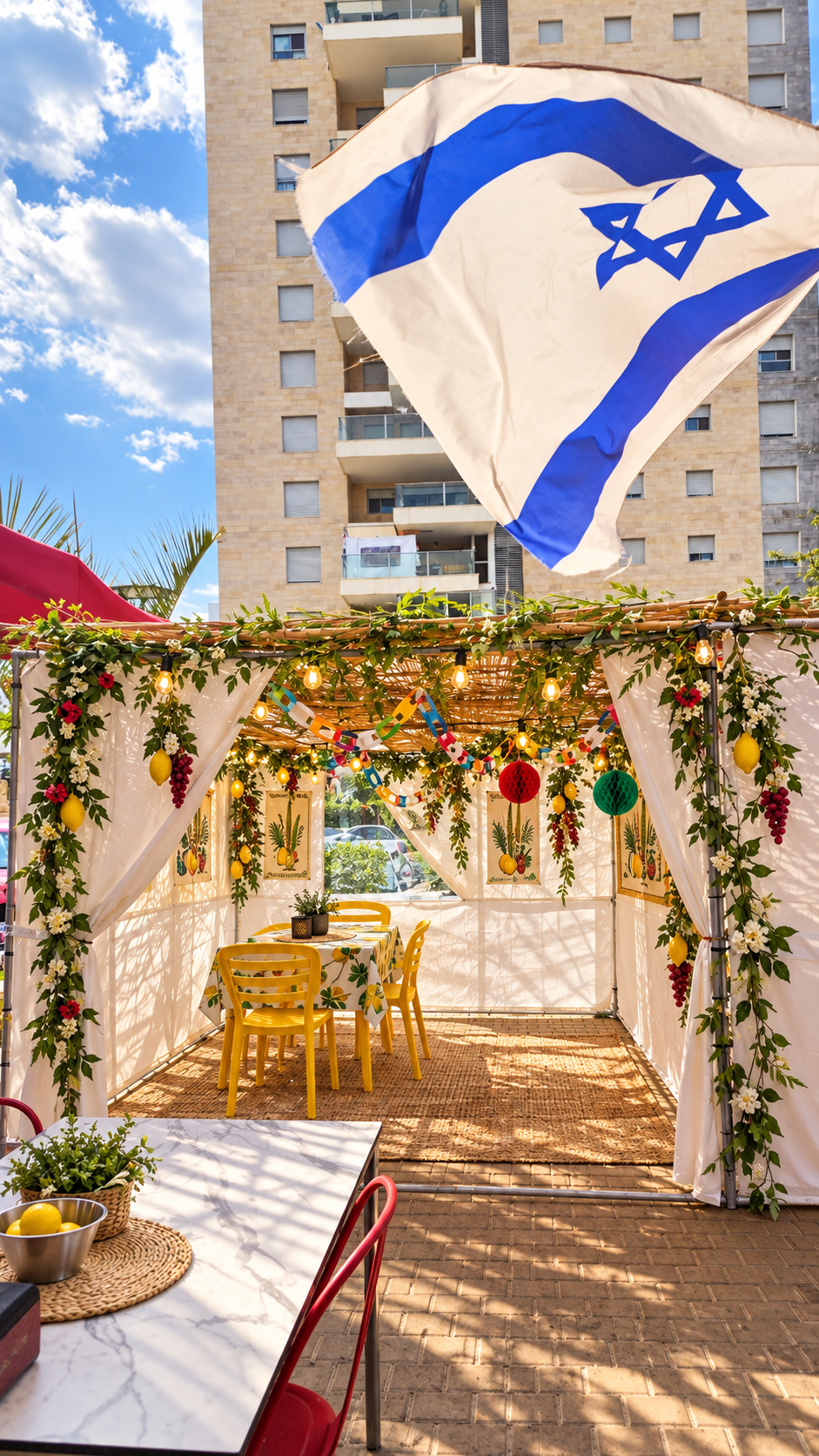
And then he describes where they built them: on their rooftops, in their courtyards, in the courts of the House of God, and in the public squares of Jerusalem.
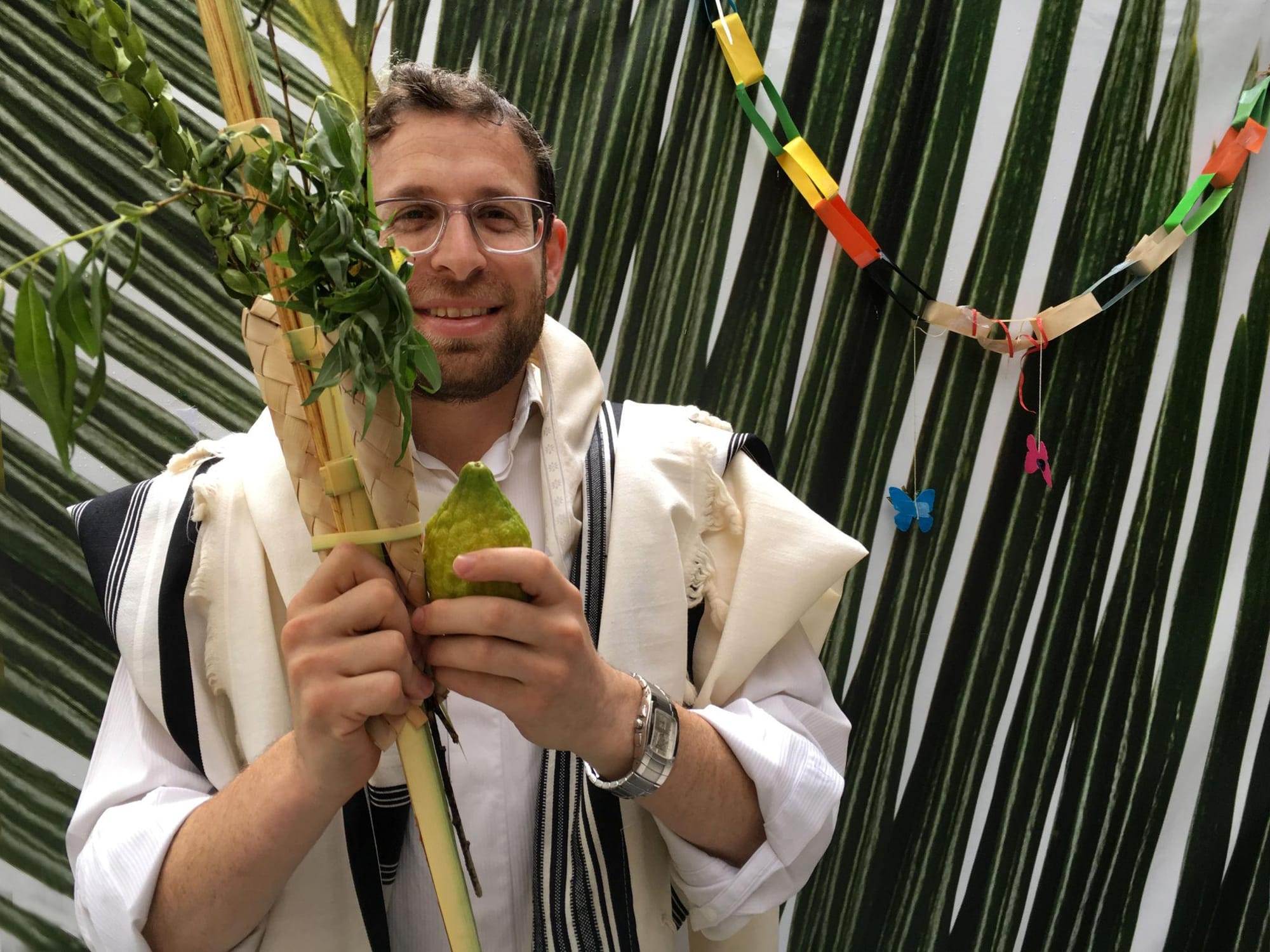
“And you shall take for yourselves on the first day fruit of a splendid tree, palm branches, a branch of a densely foliaged tree, and willows of a stream; and you shall rejoice before the Lord your God for seven days.” Lev. 23:40
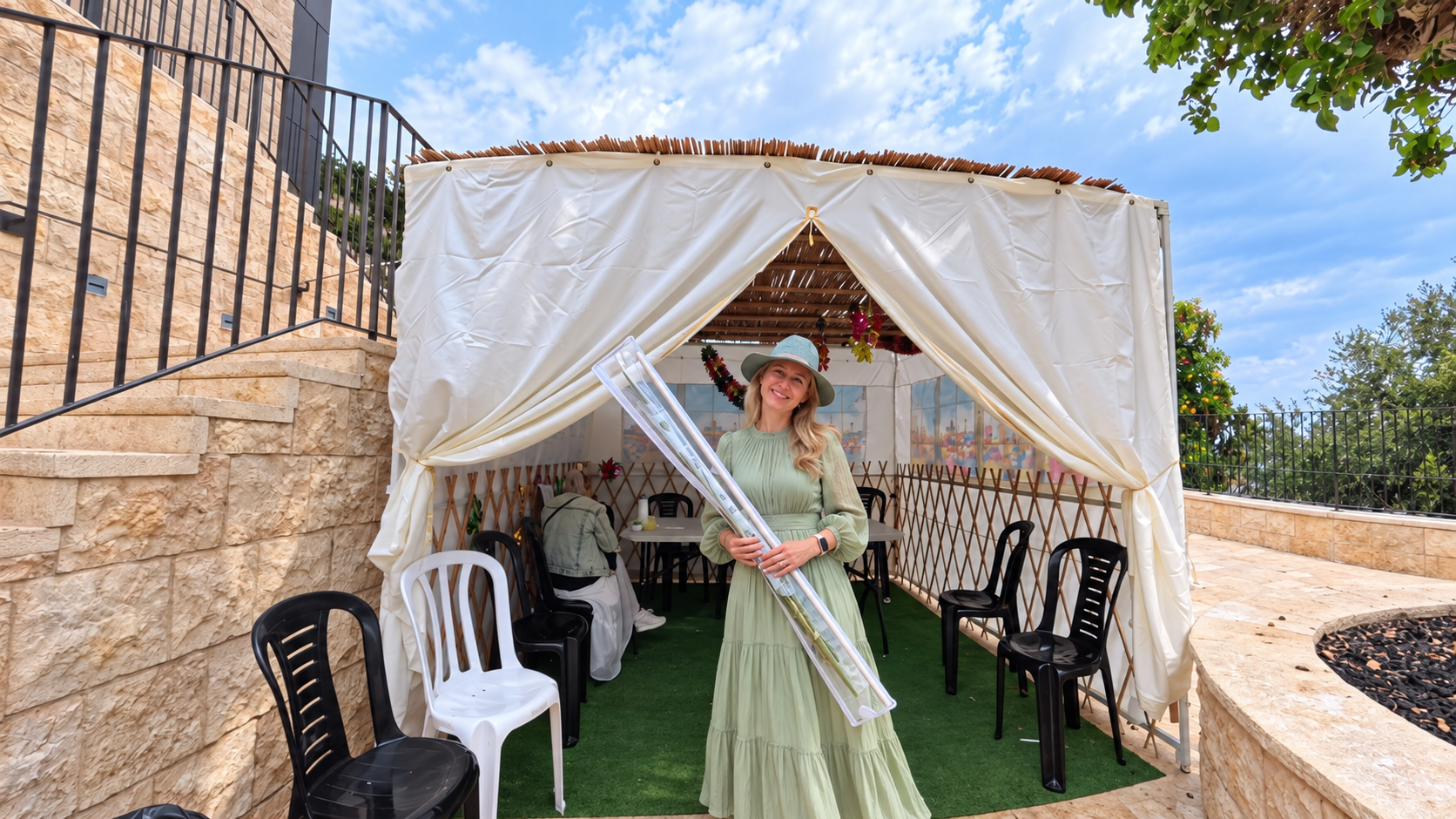
This four species are not just decorations for a harvest festival, they are essential partakers of an activities of rejoicing in God's presence.
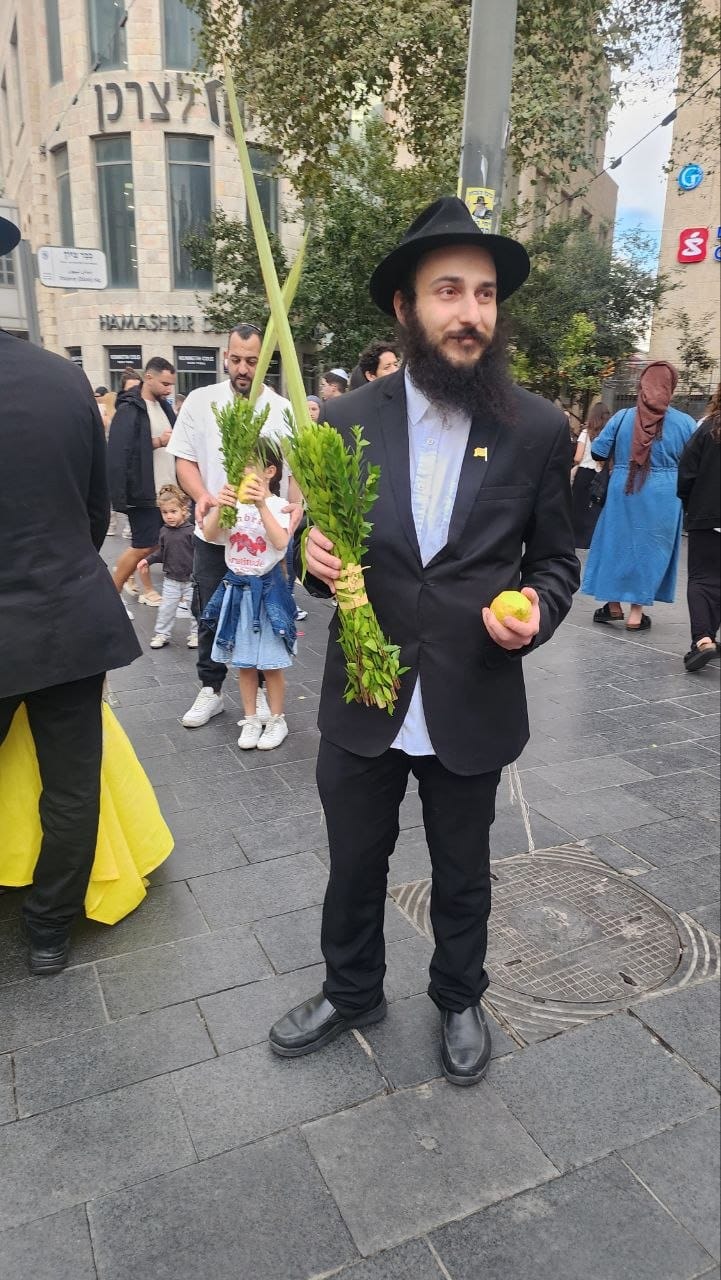
They represent four kinds of personalities:
Etrog — אֶתְרוֹג, the beautiful citron, has both taste and fragrance. It is whose whose lives are rich in both Scripture learning and good deeds. Knowledge has become kindness; what they have learned has taken root in their lives.
Lulav — לוּלָב, the palm branch, comes from a tree bearing sweet dates, which possess no fragrance. It represents those who have knowledge of Word, yet whose learning has not fully blossomed into the practice.
Hadas — הֲדַס, the fragrant myrtle, has a lovely scent but no edible fruit. It is those who lives are full of good deeds, even though they hardly know anything from the Book.
Aravah — עֲרָבָה, the humble willow growing beside streams, has neither taste nor fragrance. It represents those who possess neither first nor notable second. Yet even this branch is not rejected.
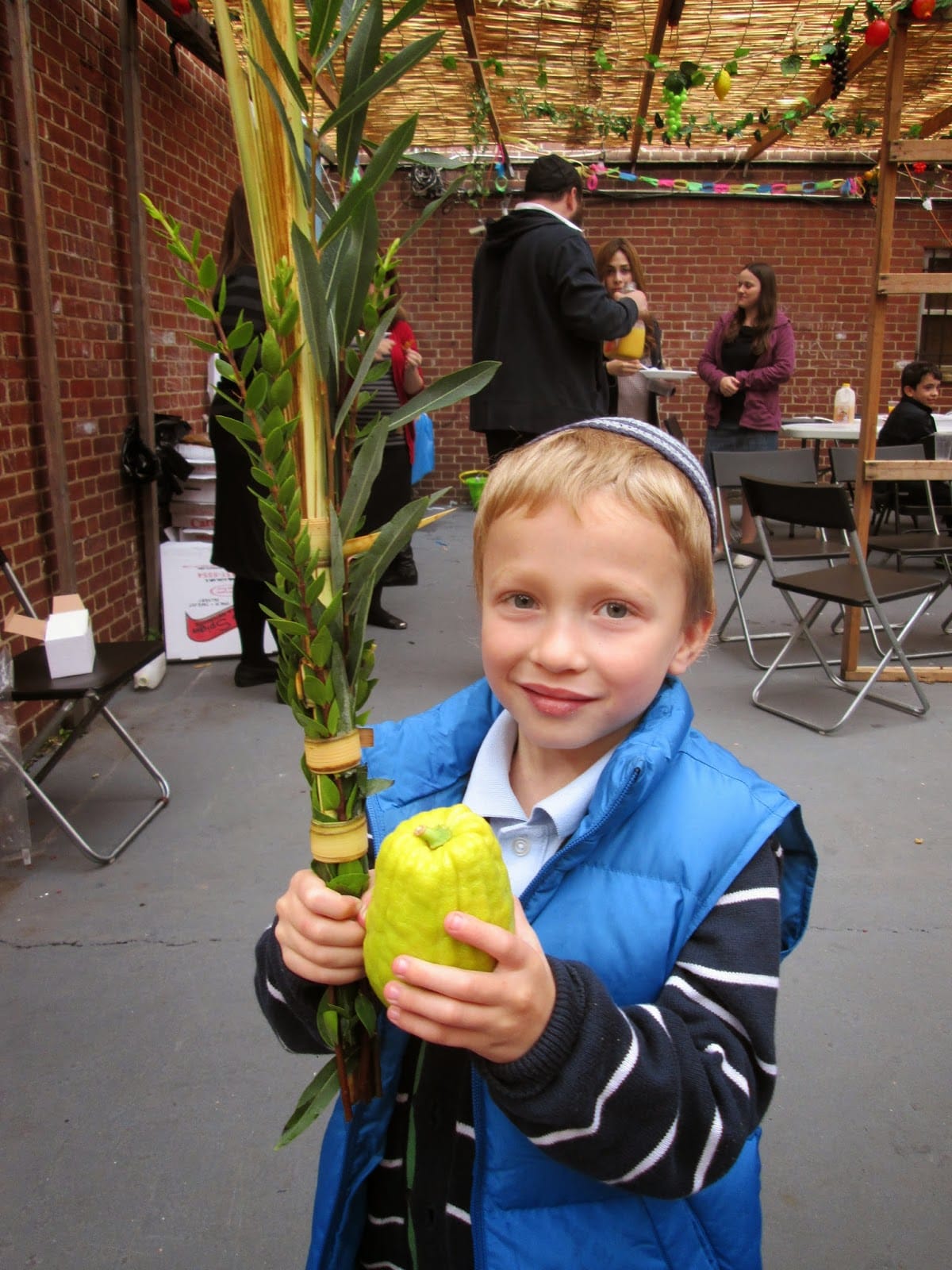
There is mercy and tenderness of this teaching. The Lord commands all four to be brought together to Him for His final Feast. The fragrant and the plain, the learned and the unlearned, those rich in deeds and those still waiting to bear fruit. None is left outside.
Attention! The Four Species is a parable not about the basis of judgment. You should know that Yom Kippur has passed, the verdict has been announced, and now those who are worthy are brought into His presence.
I saw as these branches in the hands of Jews were extended in the four directions and raised toward heaven and lowered toward earth, acknowledging the Creator's sovereignty over all creation and His power to save.
This I recorded at the Western Wall. You can see that the young people are tought by the rabbais and enjoyed the practice.
Our permanent housings we will build as you remember on the renewed Earth. But for now the goal is to spend a full measure of time as one nation: gathered from distant ages and lands, divided by centuries, borders, languages, faces, and customs. Strangers to one another, yet without fear or unease. United in adoration of the One, we learn to dwell together, becoming in Him one Body.
I need not fear that my neighbours—a couple from medieval Iceland and a family from ancient Mesopotamia might threaten me or make feel uneasy. Centuries and worlds apart, we are neighbours now, our Sukkahs entrances are to open to each other.
We can recognise all four personalities among those who surrounded Christ: the learned and the faithful, the kind-hearted and the spiritually barren. Even the thief on the cross, was not turned away.
I remember my grandmother, whose life was torn apart by two world wars and terrible famine. Through it all, she carried a longing to know the Lord, to learn more about Him. Yet life never gave her that chance.
All of them finally will be gathered in his Hand as this lulav.
Every evening, the sukkah welcomes a new honoured guest—Abraham, Isaac, Jacob, Moses, Aaron, Joseph, and David. Seven ancient Ushpizin (have you seen the film Ushpizin?), seven legacies, invited beneath the fragile roof of branches. We recall their stories, play games with kids and sing song about them.
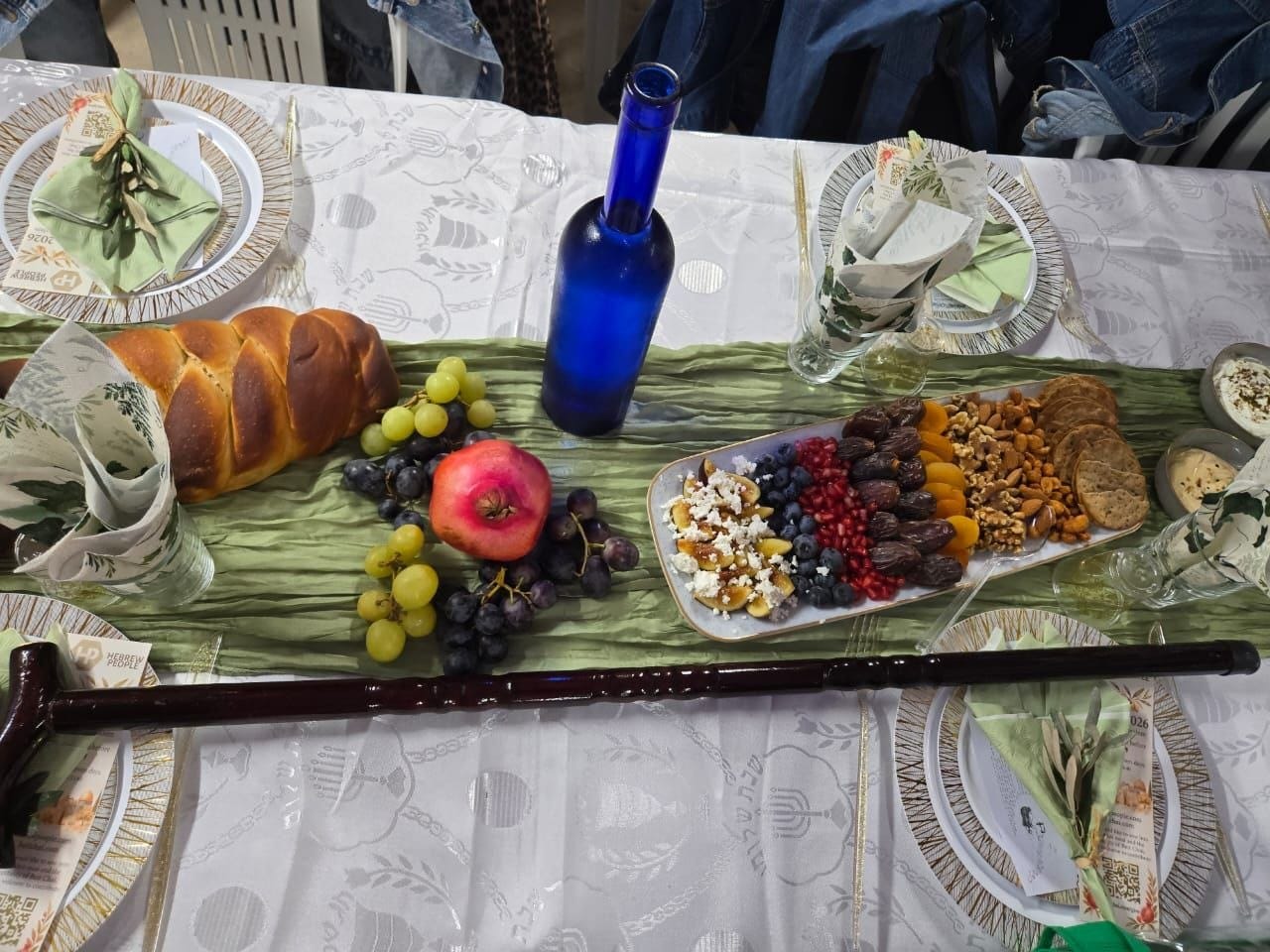
For everyone will be enough food under God's roof. Everyone will find something new to learn.
And then comes the eighth day, the most mysterious of all—Shemini Atzeret. No longer one of seven, but an eighth, as though stepping beyond time, into eternity, into a new beginning. A King after seven joyful days with His children, cannot bear to part with them: “We have had such a beautiful time together. Stay with Me just one more day. Please, one more day together.”
“On the eighth day you shall have a solemn assembly; you shall do no ordinary work.” Num. 29:35
The sun is the eight day is down. The third and the last pilgrim feast of the year is over.
Jerusalem streets return to the ordinary life.
The sukkah fabric and the reed roof mats will be stored till next year.
לְשָׁנָה הַבָּאָה בִּירוּשָׁלָיִם L'shanah haba'ah bi Yerushalayim
“Next year in Jerusalem!” – You hear from the lips and hearts of the people around.
It was an incredible experience to be part, even for a brief moment, of something so ancient, so alive, and so deeply meaningful.
Yes, soon in Jerusalem — where no Hamas, no terrorist attacks. Any shadow of violence and death will be gone; just uninterrupted boundless joy of an eternal celebration and communion in His presence.

Member discussion: