The Melody of Bara

The opening line of Genesis has inspired centuries of awe:
“In the beginning, God created…”
For many theologians, this has been understood to mean creation out of nothing — creatio ex nihilo — an abstract, almost philosophical idea. Yet Hebrew, the language of prophets and poets, rarely speaks in abstractions. It paints reality with concrete imagery. To grasp its original depth, we must step closer to the Hebrew word behind “create”: בָּרָא (bara)
In Genesis 2:7, we read that God “formed” man — the Hebrew verb is יָצַר (yatsar), meaning to shape by pressing, as a potter molds clay between steady hands. Humanity, it seems, was not made from nothing, but from earth, with touch.
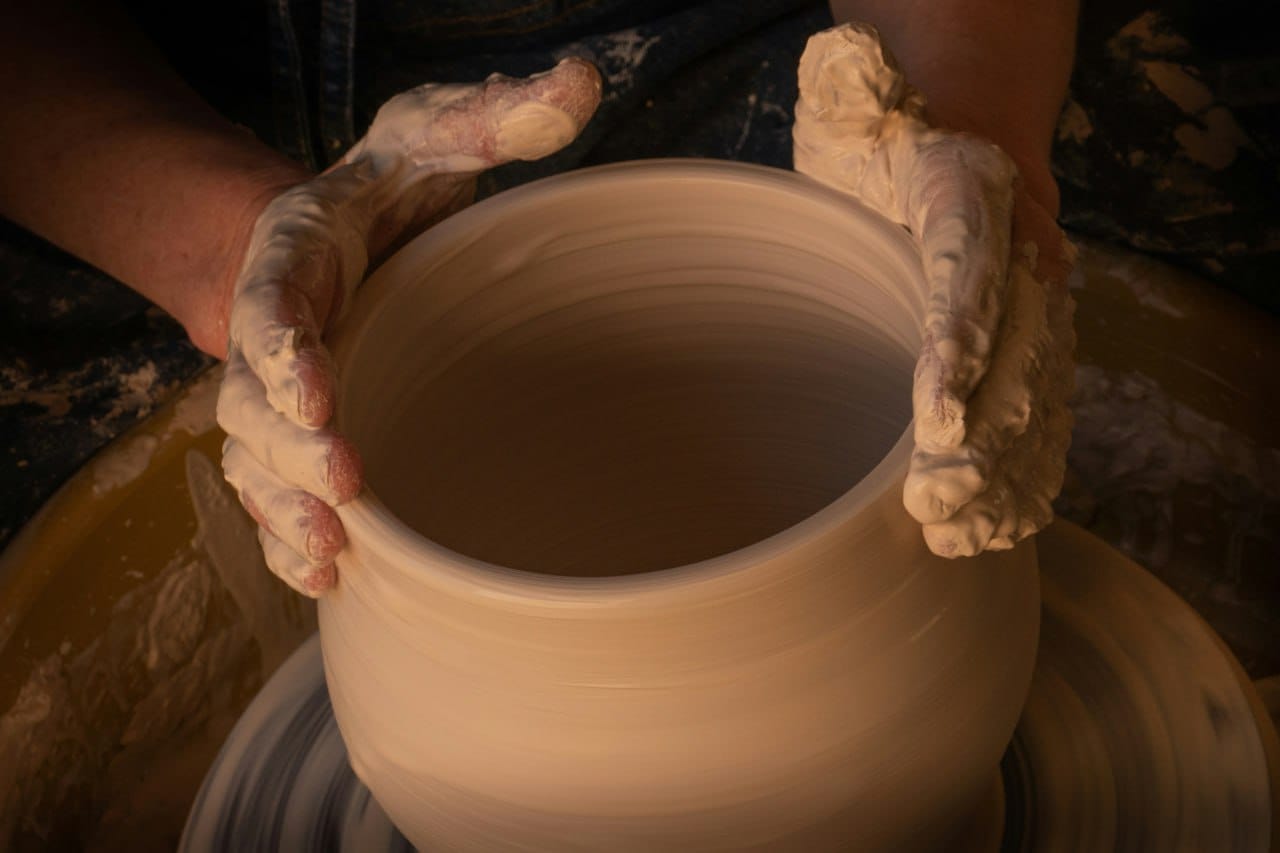
So when Genesis 1:27 says, “God created man,” it cannot mean ex nihilo.
If yatsar shows us how God shaped man,
then bara must tell us what He filled that form with.
A surprising clue glows in 1 Samuel 2:29:
the same word—bara—does not mean “create,” but “make fat.”
“...you have made yourselves fat (bara) with the choicest parts of the offerings of Israel.”
The original, earthy sense of bara is to fatten, to fill something until it is complete — as one fills a vessel, as a farmer feeds a chosen animal to fullness.
What does it mean in Genesis 1:1 when it literally says, “God fattened the heavens and the earth”? When an animal is chosen for the slaughter, it is placed in a pen and fed grain so that it can be fattened, or “filled up.”
Now read Genesis 1:1 again with this understanding:
“In the beginning, God filled the heavens and the earth.”
Suddenly, the verse comes alive.
Creation was not an act of conjuring substance from nothing —
it was the filling of an empty world with purpose, movement, and reath.
“And the earth was formless and empty...”
The Hebrew paints a vivid scene:
a wasteland — tohu va’vohu — awaiting form, awaiting filling.
Then comes the sacred rhythm of bara:
God fills darkness with light,
sky with birds,
sea with fish,
earth with fruit,
and at last, man with His own image.
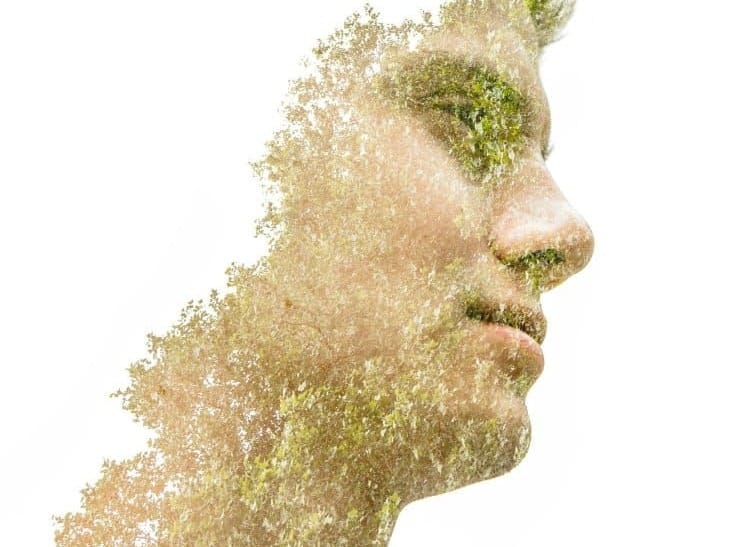
“And Elohim filled (bara) the man with His image;
with His image He filled (bara) him,
male and female He filled (bara) them.”
— Genesis 1:27 (reframed)
The word translated “image” — צֶלֶם (tselem) — means a shadow, a reflection, a representation.
Once the physical man was formed (yatsar),
God filled him with something of Himself —
not His essence, but His reflection, His tselem.
And that image, the text whispers, is both male and female.
Not in body, but in essence, in function —
the divine fullness of strength and nurture, seed and womb,
justice and mercy intertwined.
He who creates — bara — does so by filling the void with wholeness.
So, the first verse of Genesis could be read not as a moment of cosmic magic,
but as a melody of fullness, intent, and connection:
“In the beginning, Elohim filled the heavens and the earth.”
Creation is the act of filling emptiness with meaning —
of transforming void into harmony.
To create in the Hebrew sense is to complete, enrich, and bring to fullness
the unshaped spaces of existence.
That is bara.
That is creation.