
It is not easy to be a leader, and especially a leader of the Jewish people.
Moses was highly honoured by God, speaking with Him face to face in the midst of fire and thunder during forty days, receiving the greatest gift ever entrusted to humanity — the revelation of God Himself in the Ten Utterances, the עשרת הדברות (Aseret HaDibrot).
With that greatest gift, carved into sapphire stone, he slowly makes his way down the black peak of Horeb, only to discover that the very people for whom he dedicated his entire life have already turned toward another lord.
The greatest tragedy of Jewish history.
The deepest failure upon the horizon of the magnificent slopes of Jabal al-Lawz.
In a moment like that, there is no future. No redemption, no retribution, nothing can yet be offered to heal the awful betrayal. The story of Exodus appears to end right there in absolute disaster.
Great leaders are lonely.
They become the trembling rope bridge stretched between two impossible worlds — between the holiness of heaven and the brokenness of earth. Can you feel how violently the winds shake that bridge when Moses, in agony, grips the fraying ropes above the abyss?
The one and only hope — God Himself. His character.
About this Moses pleads:
“Cause me to know Your ways”
(דרכים — derakhim)
Exodus 33:13
His attitude, His attributes, His path of dealing with sinners — this becomes the only comfort and the only possible way forward.
God never leaves His servants abandoned.
He stretches out His hand to catch His humble servant hanging between heaven and earth, so that covenant itself does not collapse into the void.
God hides Moses in the cleft of the Rock (צוּר — tzur — a boulder, cliff, or massive stone; Ex. 33:22), sheltering him like a child within the womb.
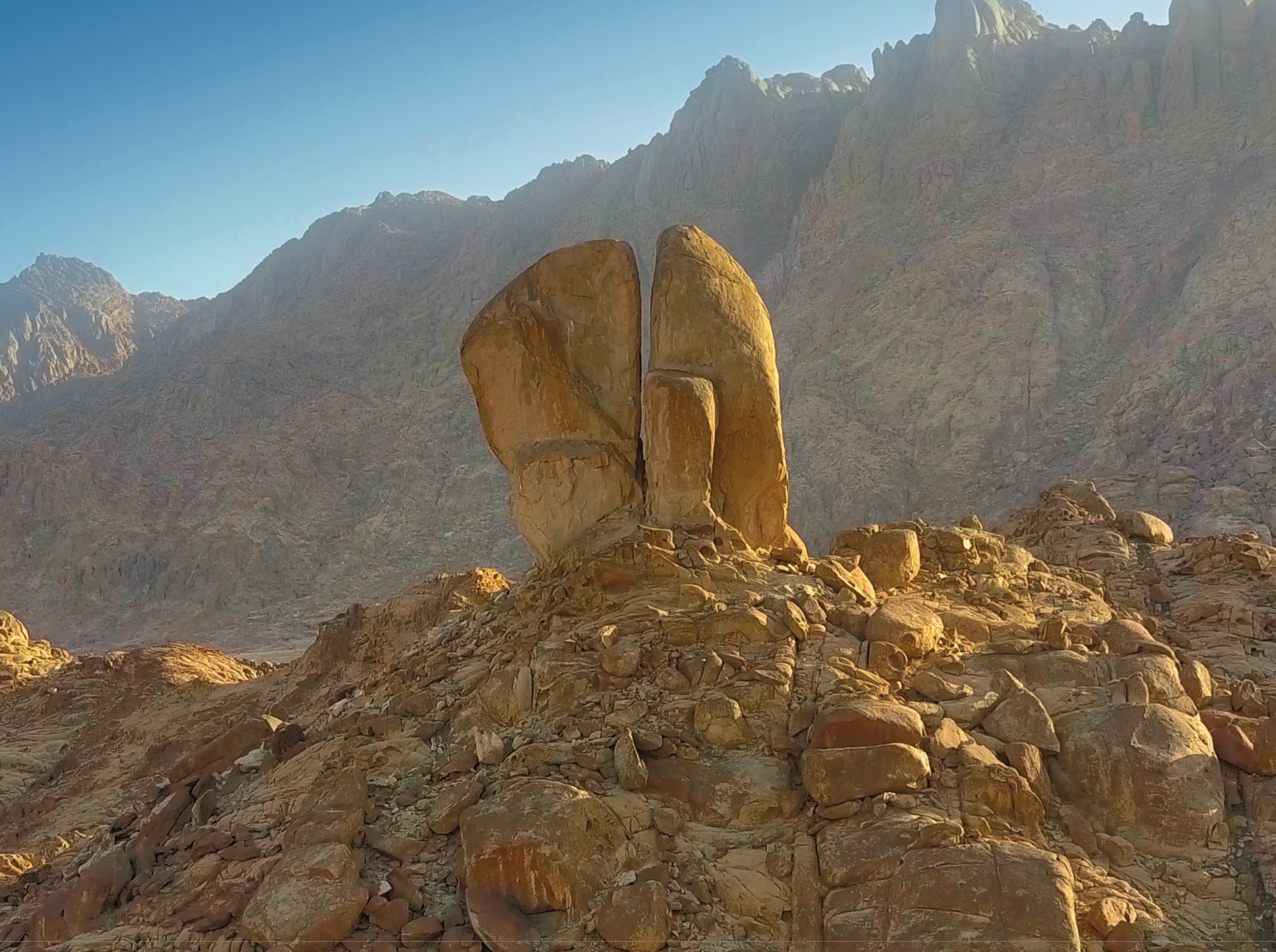
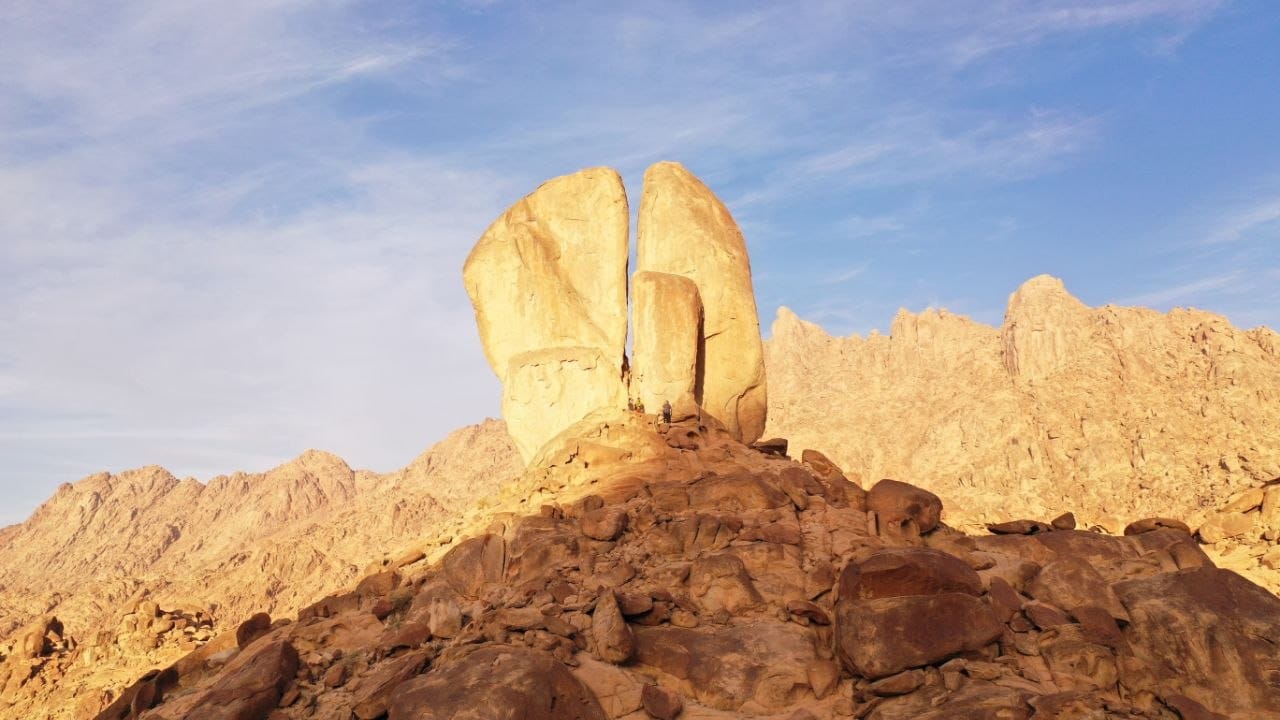
Next, He wraps Himself in a tallit, veiling the splendor of His glorious face, and passes before Moses with a message that would echo through all generations.
This is His answer to his suffering servant and treacherous nation:
Exodus 34:6–7
וַיַּעֲבֹר יְהוָה עַל־פָּנָיו וַיִּקְרָא,
יְהוָה יְהוָה, אֵל רַחוּם וְחַנּוּן,
אֶרֶךְ אַפַּיִם, וְרַב־חֶסֶד וֶאֱמֶת.
נֹצֵר חֶסֶד לַאֲלָפִים,
נֹשֵׂא עָוֹן וָפֶשַׁע וְחַטָּאָה,
וְנַקֵּה...
And Lord (Tetragrammaton) passed over before his face and called:
“Lord, Lord, God, compassionate and gracious,
long of nostrils (slow to anger), and abundant in covenant-love and truth,
keeping covenant-love for thousands,
bearing iniquity and transgression and sin,
and cleansing—yet not cleansing completely,
visiting the iniquity of fathers upon sons and upon sons’ sons,
to the third and to the fourth {generation – not in the Text}.”
In Hebrew thought these called 13 attributes of Mercy:
- יְהוָה (Adonai) — The LORD; mercy before sin
- יְהוָה (Adonai) — The LORD; mercy after sin
- אֵל (El) — Mighty God of compassion
- רַחוּם (Rachum) — Compassionate, tender like a womb (רֶחֶם — rekhem)
- וְחַנּוּן (Ve-chanun) — Gracious, giving unearned favor
- אֶרֶךְ אַפַּיִם (Erekh apayim) — Slow to anger; patient
- וְרַב־חֶסֶד (Ve-rav chesed) — Abundant in lovingkindness
- וֶאֱמֶת (Ve-emet) — And truth; faithfulness
- נֹצֵר חֶסֶד לַאֲלָפִים
(Notzer chesed la’alafim) — Preserving mercy for thousands - נֹשֵׂא עָוֹן (Nose avon) — Forgiving iniquity
- וָפֶשַׁע (Va-fesha) — Forgiving transgression
- וְחַטָּאָה (Ve-chatta’ah) — Forgiving sin
- וְנַקֵּה (Ve-nakeh) — Cleansing; granting restoration
These attributes became the heart of biblical faith:
justice is real, but mercy rises above judgment (James 2:13).
The repetition “Adonai, Adonai” becomes a declaration:
God is the same before failure and after failure. He never changes. Before and after the rebellion He is seeking the pardon.
His compassion is not weakness. It is the power to remain present even after betrayal.
The word “rachum” (רַחוּם — compassionate) is related to “rekhem” (רֶחֶם — womb), expressing tenderness, protection, and sustaining love, like mother’s love is never short for the child of her womb.
Moses received the answer to His great prayer: His holiness is found not only in perfection, but also in the possibility of return.
Forgiveness, restoration and exodus will be complete by the Eternal Himself. His promise which was made long before to Abraham by the Covenant Between the Pieces (Gen 15).
His Son would become that Bridge, stretching His pierced hands between heaven and earth, embodying the very word once revealed to Moses — “יְהוָה יְהוָה אֵל רַחוּם וְחַנּוּן” — the God compassionate and gracious, whose mercy reaches across the abyss to His lost children.

Member discussion: