There is a Hebrew word that, to me, carries something essential about the biblical understanding of knowing God.
טַעַם — taʿam
Its root is ט־ע־ם (tet–ayin–mem).
Taʿam can speak about taste, flavor, discernment, perception, even the reason behind something. It belongs both to the world of understanding and to the world of the senses. You can grasp something with the mind—but you can also put it into your mouth and taste.
And perhaps biblical logic refuses to separate the two.
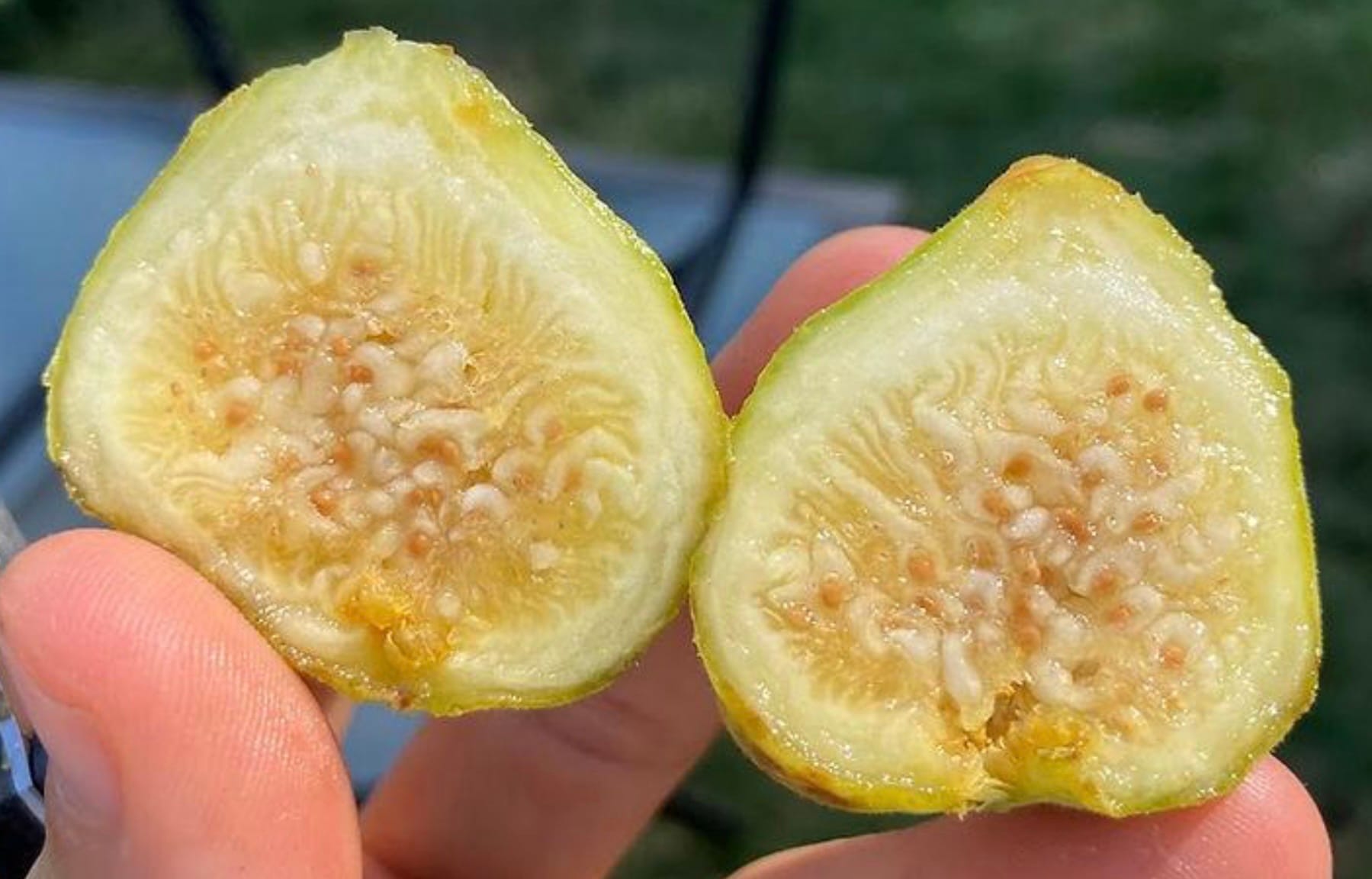
Once, at the home of a dear friend, I tasted a ripe white fig straight from the tree.
Not the ordinary dark-purple fig I knew. This one was pale—almost translucent green-white—with skin so delicate that it seemed hardly able to contain the fruit. When opened, the flesh inside was creamy, honeyed, juicy. It was so ripe that it almost collapsed between the fingers, warm from the sun, releasing that deep fragrance of fig leaves, summer heat and sugar. You did not really bite it. It seemed to melt.
I would never forget that taste.
My friend had a three-month-old baby. As I carried him near the tree, he suddenly stretched his little hand toward the figs. I wondered aloud whether such a tiny child was even allowed to eat them.
His mother smiled and told me that after her milk, this was the first food and only he had ever tasted.
A sun-ripened delicious figs.
What an introduction to the world.
And perhaps the body remembers such things long before the mind has words for them.
Later I received a cutting from that very fig tree as a gift. It is growing now, and I have already seen its first fruits appearing. So that taste travelled with me— in something living.
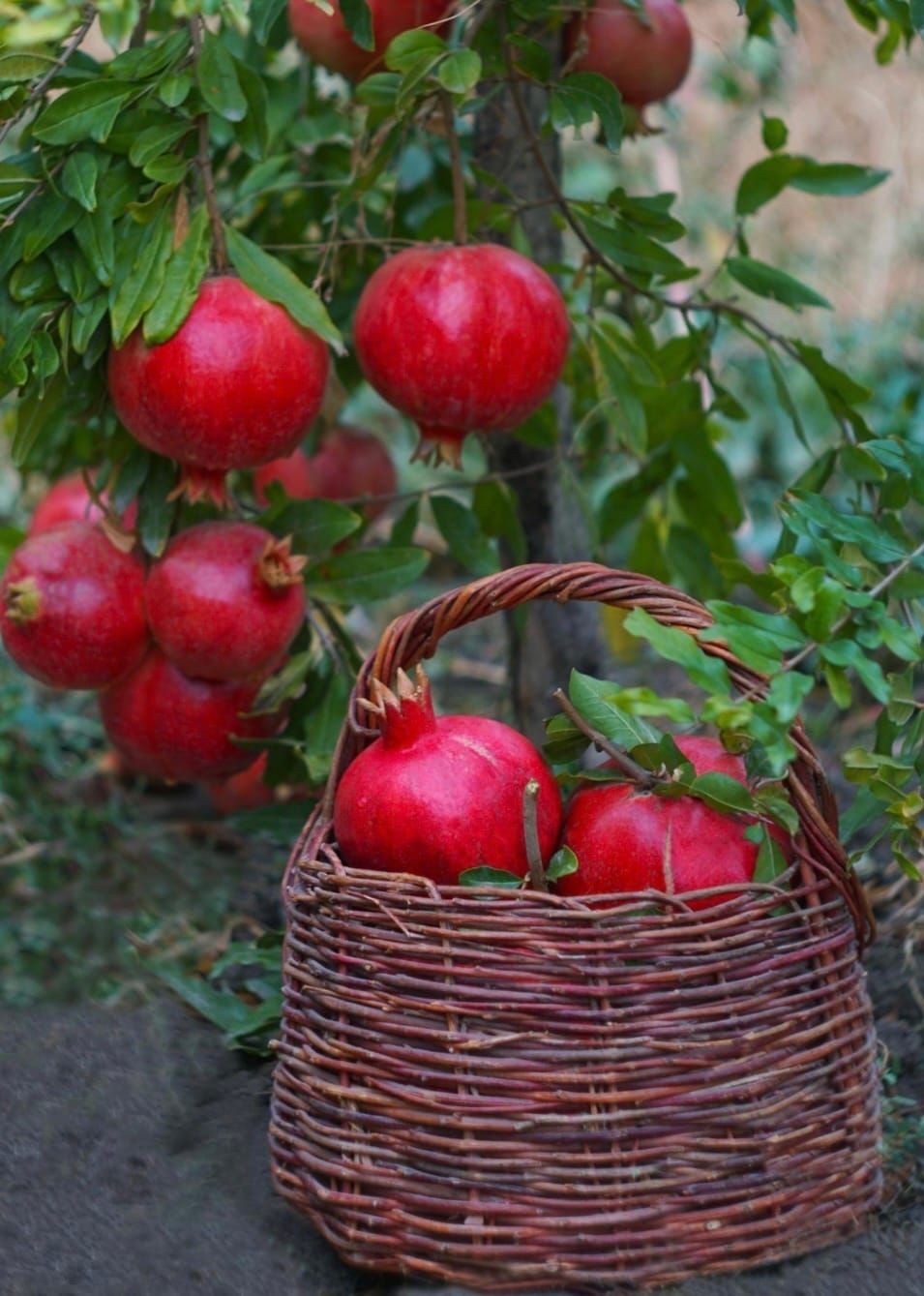
The fig belongs to the seven species with which the Land of Israel is praised:
חִטָּה וּשְׂעֹרָה וְגֶפֶן וּתְאֵנָה וְרִמּוֹן אֶרֶץ־זֵית שֶׁמֶן וּדְבָשׁ
“A land of wheat and barley, vines and figs and pomegranates, a land of olive oil and honey [date honey].”
Deut. 8:8
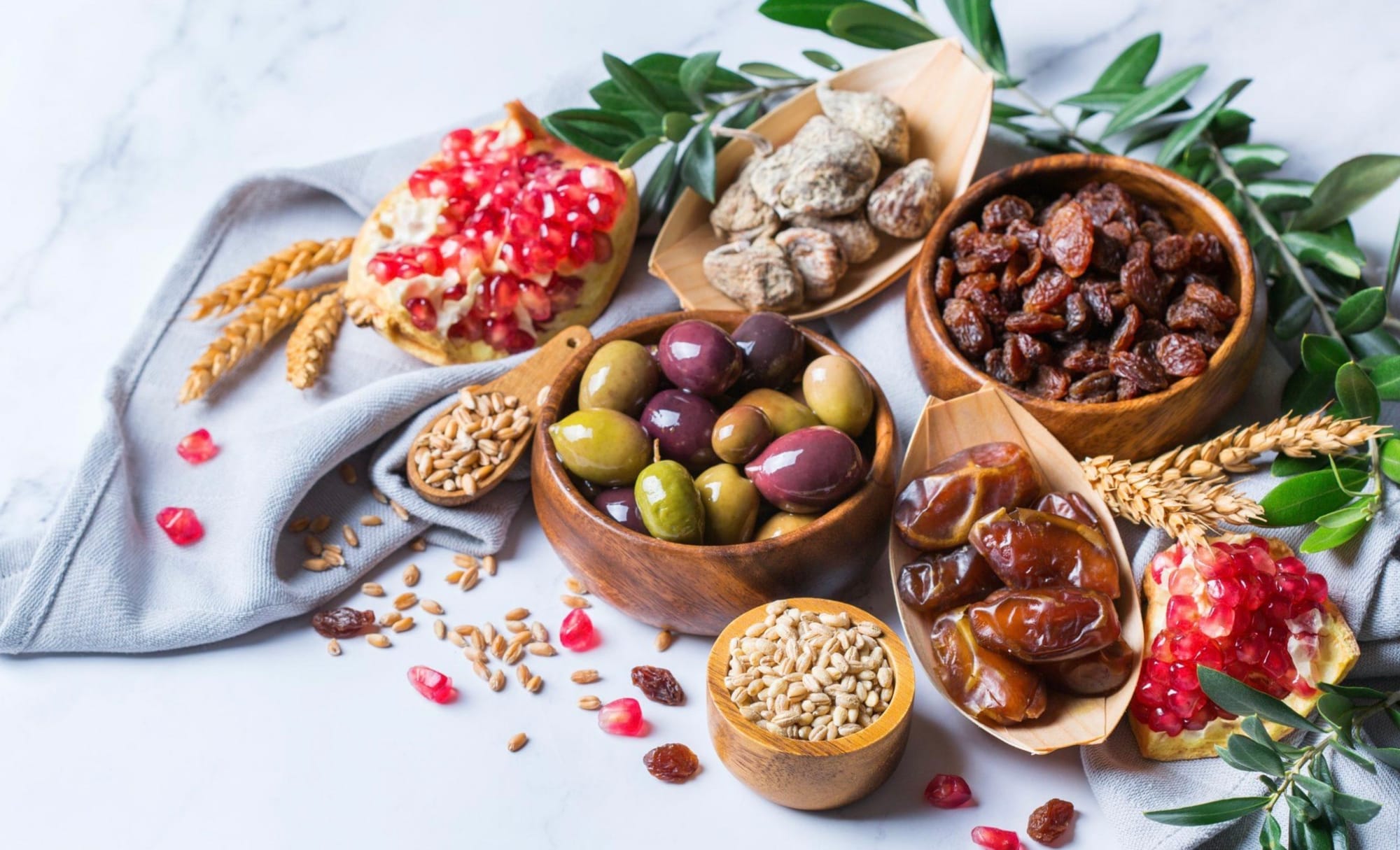
Wheat. Barley. Grapes. Figs. Pomegranates. Olives. Dates.
These fruits also stood at the heart of the beautiful practice of בִּכּוּרִים — bikkurim, firstfruits.
Imagine you have planted a sapling of a fig tree, longing for the day when you can finally taste its fruit. After a few years, the first tiny figs appear and slowly swell into fruit. Finally, your waiting is rewarded: the first big, juicy, irresistibly inviting fig.
Your child sees it and immediately stretches out his hand.
“My son, it is עָרְלָה — orlah, not opened for us yet. We have to wait three years. In the fourth, we will bring the firstfruits to the Lord, and in the fifth, we will finally enjoy the fruit of God’s gift.”
The same happens the next year. There are many more figs now—bigger, sweeter, heavier on the branches.
“No. Not yet.”
And the next year again. You are not allowed to touch them. You watch as bird after bird discovers and samples them until almost nothing is left.
And then comes the fourth year.
The tree is beautiful, heavy with fruit, almost impossible to resist. You call your children:
“Bring the basket. We are going to pick the fruits.”
But not for our table.
We are taking it to the Lord to Shilo.
It is our gratitude—for the land He gave us, for the harvest, for His protection.
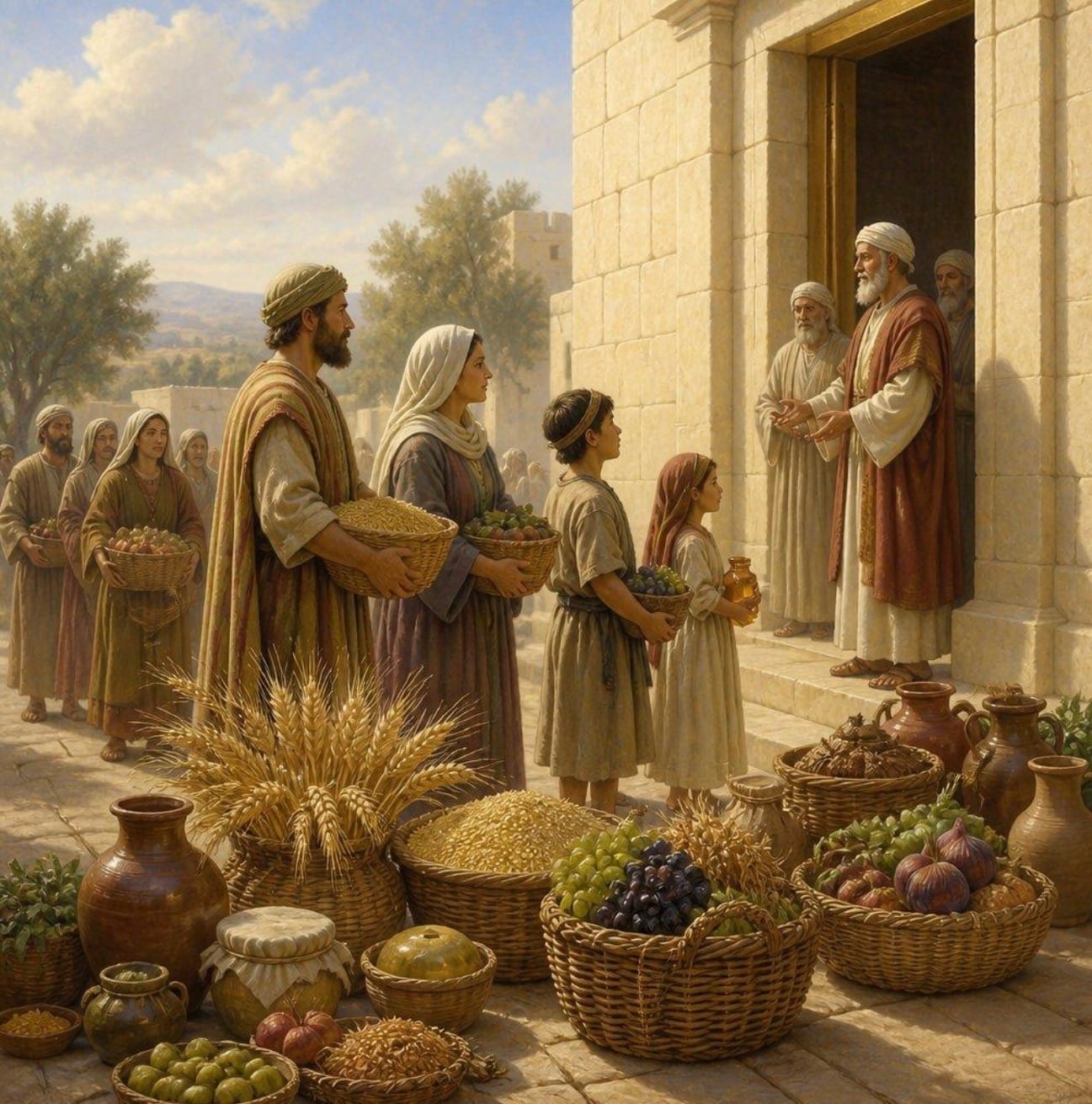
Imagine: woven baskets heavy with the best produce of the land, grapes bursting with juice, figs swollen with sweetness, crimson pomegranates, dates sticky with honey.
וְלָקַחְתָּ מֵרֵאשִׁית כָּל־פְּרִי הָאֲדָמָה... וְשַׂמְתָּ בַטֶּנֶא
“You shall take from the first of all the fruit of the ground... and put it in a basket.”
— Deut. 26:2
You place it before the altar and recite in the presence of a Levi the story you were teaching your children all these 4 years. The story given in Deuteronomy 26:5–10— of who you were, where you came from, what God had done, how He brought His people out of Egypt and gave them this land. The same story they hear on Pesach and on many other occasions.
And this brings me back to טַעַם — taʿam: to taste. Physically. With your mouth.
טַעֲמוּ וּרְאוּ כִּי־טוֹב יְהוָה
“Taste and see that the LORD is good.”
Ps. 34:8
You can translate it:
Think and understand that He is good.
Or
Study the reasons why He is good.
But logical will be
Taste.
Like that white fig.
The reasons why we do things are important. We need taʿam—understanding, meaning, reason. But we want to move from there to taste: to the flavors and exuberant experience of Him as the spice of this world.
So much so that His Presence can penetrate every aspect of our being as flavor penetrates a dish, as spices transform something bland into something fragrant, rich, and desirable.
In biblical wisdom, it is not enough to know God. We have to taste His presence.
How much of this gustatory knowledge of God do we have every day?
How much are we savoring?
You can study the sanctuary—every curtain, vessel, measurement, sacrifice, and symbol. But there can come a moment when the Reality breaks through, and the Presence of God ceases to be an academic subject.
You have tasted.
And that encounter can accompany you for the rest of your life.
טַעֲמוּ וּרְאוּ — Taʿamu u-re'u
Taste and see.

Member discussion: