Reading the Scripture portion this week, I found myself wondering which thread of the story I should follow and share with you. The portion is rich beyond measure. Every chapter seems to open another window into the human battle and into the ways of God. Yet one scene and one figure touched me deeply.
It was the quiet final departure of Aaron.
The mighty yet gentle leader of Israel, whose greatness often stood in the shadow of his younger brother. That is how he is introduced to us.
In the families with several children, one personality naturally captures the attention of everyone around. The more visible, dynamic or outgoing is remembered first. In Israel's story, that figure is Moses. He is the king, the lawgiver, the prophet, the judge, the national leader, the mediator between God and His people, whose voice echoes through the ages.
Beside him stands Aaron. His role is quieter, but no less remarkable.
Even his name invites reflection. The Hebrew name אַהֲרֹן (Aharon) carries an idea of exaltation, mountain-like strength, or one who is elevated. That meaning placed as a hope and a predestination by the parents played out fully in his destiny.
While Moses often stood before the nation as a judge, Aaron stood as a reconciler. Moses represented truth proclaimed from the mountain; Aaron embodied mercy walking through the camp.
When Aaron was announced to ascend Mount Hor (הֹר הָהָר) for the last time, there were no dramatic speeches. Strikes and murmur in the camp paused, the rebels calmed for a while, people were taken by national grief.
I imagine a solemn procession. Moses hikes before his older brother and a nephew with his staff. Aaron and Eleazar, who will inherit his father's sacred office, follow.
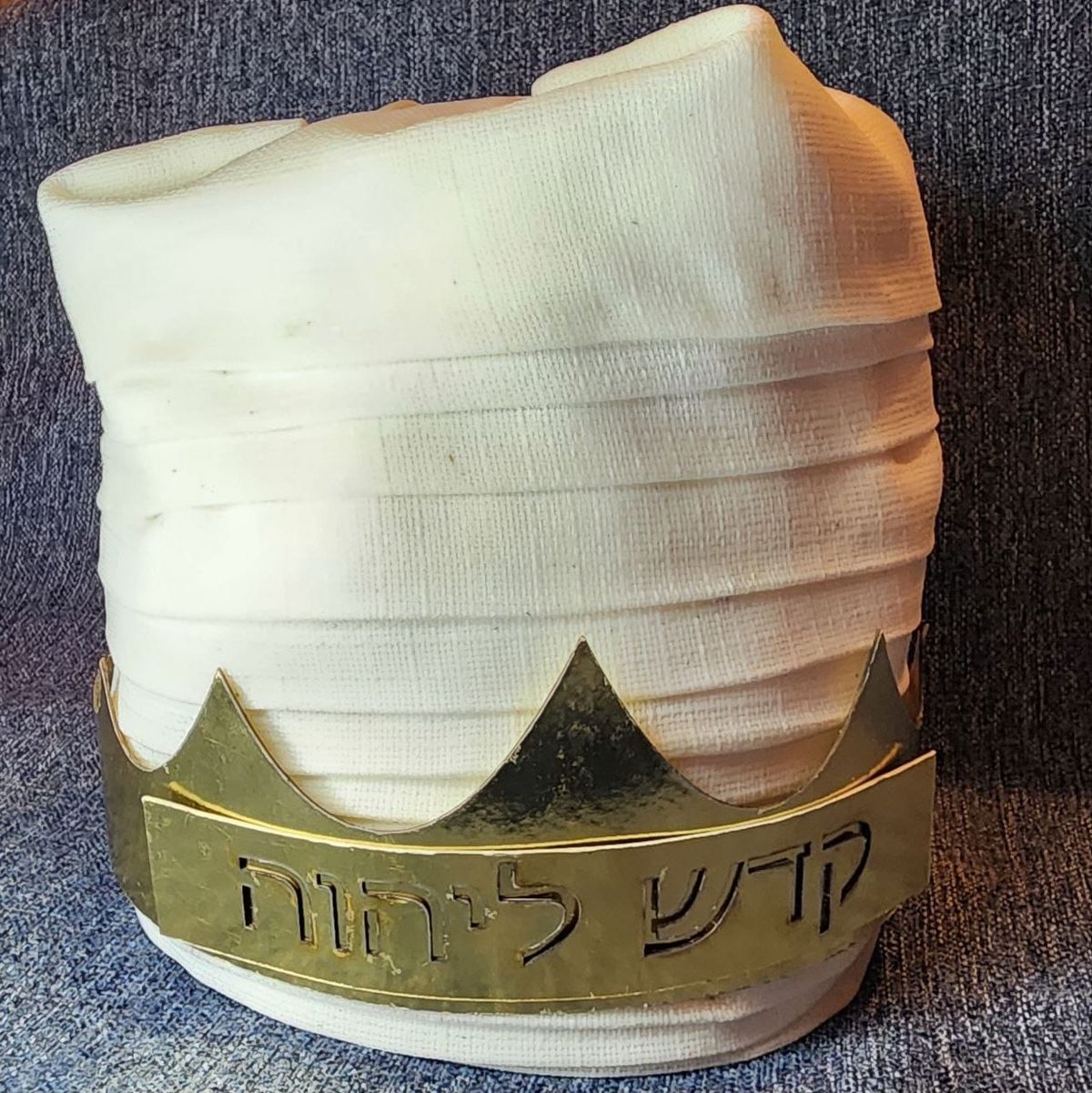
Aaron walks very slowly. It is not the dozens of kilos of the full outfit of the High Priest that make it unbearable. The most magnificent, most expensive garments described in the Torah—woven with gold, blue, purple, and scarlet threads, adorned with precious stones bearing the names of the tribes of Israel. The golden plate upon his turban with the inscription:
קֹדֶשׁ לַיהוָה
"Holy to the Lord."
As they approached the summit, Moses one by one removed 4 garments of colors from his brother and placed them upon Eleazar. Which is a miracle on is own, for they were not to touch the ground. How would you practically perform it? The transfer of a status, the closing of an era.

Then they came to a natural cave. God invited Aaron to come in.
Aaron entered.
He sees the raised floor. God told him: lay down. Aaron did.
God told him: stretch out your hands. Close your eyes. Aaron obeyed.
His breathing became slower and slower until it ceased.
Jewish tradition calls this מִיתַת נְשִׁיקָה (mitat neshikah) — "death through the Divine Kiss."
Why such a beautiful expression?
Human life began when Adam received a life-breath from the mouth of the Lord. Life departs through the gentle "kiss" of God.
Scripture says concerning Moses:
"By the mouth of the Lord (עַל־פִּי יְהוָה) ... Moses died..."
(Deut. 34:5)
Aaron, Moses, and Miriam were all remembered as dying in this most intimate expression of God's favor.
For it is written in Tehilim:
יְהוָה יִשְׁמָר־צֵאתְךָ וּבוֹאֶךָ
מֵעַתָּה וְעַד־עוֹלָם
“The Lord will guard your departure and arrival from now till eternity” (Psalm 121:8) Your death and your birth is guarded toward eternity.
There is old Hebrew wisdom:
"Be of the disciples of Aaron, loving peace and pursuing peace" —
אוֹהֵב שָׁלוֹם וְרוֹדֵף שָׁלוֹם
Aaron did not merely appreciate peace when it appeared; he actively chased after it. If a husband and wife had quarreled, Aaron would seek reconciliation. If neighbors became estranged, he would bring them together. If friends ceased speaking, he would patiently restore the broken relationship. He was not interested in winning arguments; he was interested in healing hearts.
Long before the words were spoken, Aaron lived the thruth:
"Blessed are the peacemakers, for they shall be called sons of God."
Perhaps this particular character trait helps us understand some of the most difficult moments of his life.
At the tragedy of the golden calf, Aaron attempted to delay and restrain the people while standing in danger himself and his family from the rebels. He was horrified by the very thought of idolatry. His request that the people bring their gold was likely an attempt to gain time. The rebels had miscalculated the forty days and had convinced themselves that Moses had perished in the fire and storm on the mountain. Aaron hoped that the people would be reluctant to part with their finest jewelry, causing the process to drag on. In the meantime, he trusted that Moses might return before matters went any further. Finally he gave in to demands of the mad crowd.
Later he suffered losses few parents could bear. His two sons, Nadab and Abihu, approached the sanctuary with unauthorized fire and died before the Lord.
Aaron was not permitted the ordinary expressions of mourning or partaken part in the burial.
The Torah simply says:
וַיִּדֹּם אַהֲרֹן
"And Aaron was silent." (Leviticus 10:3)
There is a depth of this sorrow that only few parents can understand who have lost their children to the tragic consequences of sin.
He was the High Priest who can sympathise with our weaknesses, for he has been tempted in many things.
That is why his death produced such an extraordinary response.
"And all the house of Israel wept for Aaron thirty days."
(Numbers 20:29)
When Moses died, the text is much sparser:
"the sons of Israel" mourned him.
But concerning Aaron,"all the house of Israel" mourned him.
Why?
Because everyone had felt the touch of his ministry.
Not only the men. Not only the leaders.
All the house of Israel.
The nation mourned not only the High Priest, but the man who had carried Heavenly peace into their homes.

He did write only a single word in comparison with his brother left for eternity, his stuff with his name will be forever in the Most Holy Place with alive flowers, buds and fruits of righteousness.
And perhaps that is why his memory still speaks across the centuries. Aaron left healed hearts and a true picture of the awaited Messiah.

Member discussion: