Journey to Healing
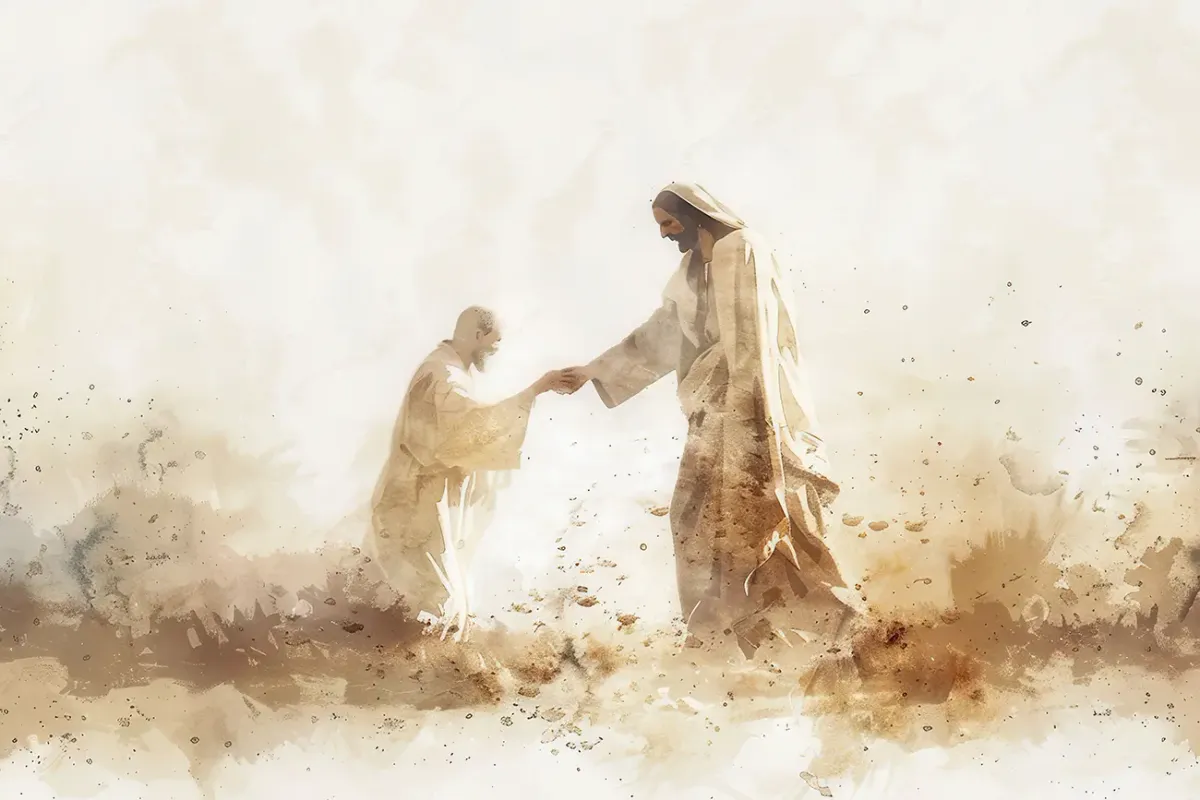
Gospel of Luke 17:11-19
The broader context of our story already begins in Luke 9, which marks the turning point when Jesus “steadfastly set His face to go to Jerusalem” — His final Passover journey. Luke is alluding to Isaiah’s “servant” song: “I have set my face like flint; I will not be ashamed, for God is my Helper.” Have you seen flint rocks? A hard stone with a razor-sharp edge. Every step from now on is a cutting decision in His ascent toward the cross.
As Jesus went to Jerusalem, He was passing through the borderland between Samaria and Galilee.
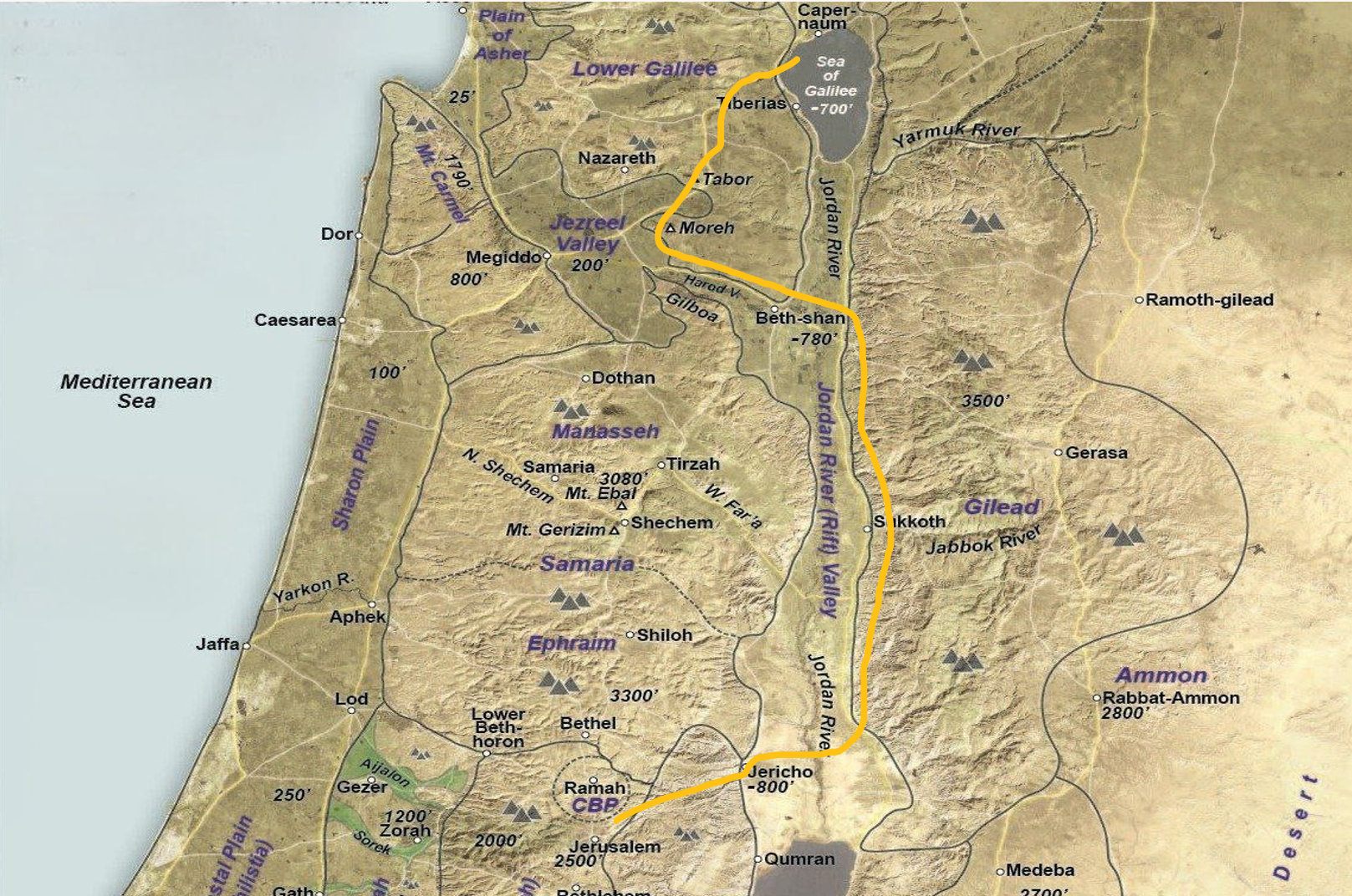
He, like other pilgrims from Galilee, would follow this main travel route: north from Capernaum, working the surrounding towns, then travelling down through the Jezreel Valley and the border villages toward the Jordan Rift. He would cross the Jordan near Beit Shean, then continue all the way down along the east of the Jordan, cross again close to Jericho, and then began the steep ascent to Jerusalem. A week of travel.
According to Doctor Luke — only two healings were left in His ministry: the blind man near Jericho and the servant’s ear at Gethsemane. Nothing more.
Final days before the first month of the year, Nisan: the barley fields lie silver-green — quilted patches breathing in the wind, ready to bow beneath the sickle. He — the Living Bread — walks on the threshold, ready for the harvest.
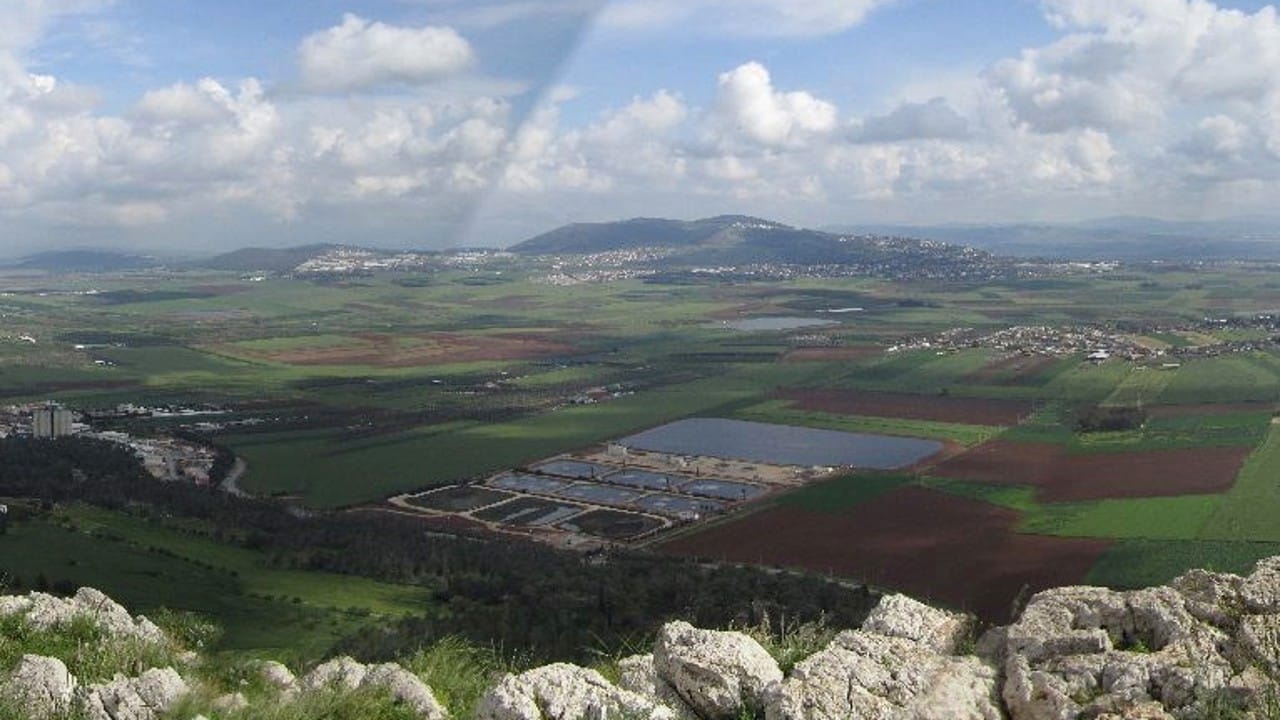
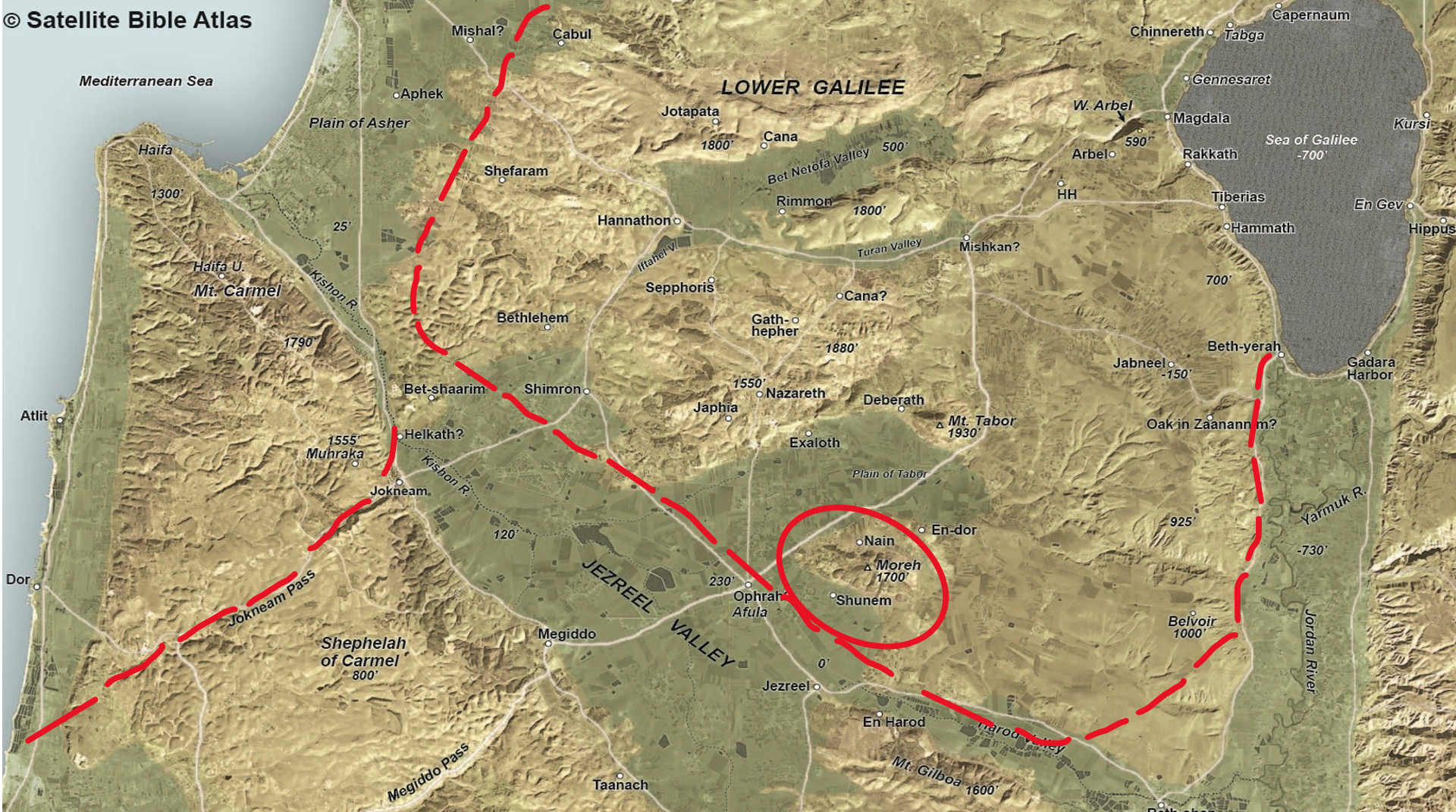
We are on Mount Moreh (Har Moré — “Mountain of the Teacher / The Mountain that Shows the Way.” Both translations reflect the Hebrew root ירה — to teach, to point, to direct), looking down into the Jezreel Valley. Here the disciples stopped — the captivating landscape was whispering its stories, stories they knew from childhood.
You know — geography holds memories.
To your left lies Shunem, the prophet Elisha’s hub. Remember, a local woman once built him a guest room. Then her only son suffered a sunstroke and died. What follows after? Elisha’s miraculous touch and the boy’s resurrection.
To your far right, beyond the folds of the hill, rests Nain. What happened in Nain?
Have you ever wondered why Christ chose Nain to show compassion to a grieving mother burying her only son?
Geography holds memories.
There, the Prophet of all prophets touched and spoke: “Arise.” Two mothers. Two sons. And the One who walks these hills now called them both to life.
Going downhill, a completely different view opens before them: an informal settlement stretched along the main travel path.
Lepers.
Close enough to beg for charity and food, yet far enough not to defile.
Banned from populated areas, they dwelled in isolation. Their shanty village rose at this place as a memorial of a miracle Elisha performed for Naaman.
Geography holds memories.
Word of mouth about the new Elisha reached those sick: close to Capernaum He had healed a man like them (Luke 5). It is unheard.
For “…since the days of Elisha the prophet, such a thing had never been known as the cleansing of one upon whom this disease had fastened.” The Desire of Ages, ch. 27.
Jesus had spoken about it earlier:
“There were many lepers in Israel in the time of Elisha the prophet, and none of them was cleansed except Naaman the Syrian.” (Lk 4:27)
The Master is passing the main road now. This is their golden opportunity — their only chance.
There they stand before the disciples — not one, but ten figures. A sight from a horror movie in real life. Far more sobering than any Covid hospital ward:
Hair long and wild, old garments torn, dirty bandages unable to cover all the sores and scabs. Over their faces a rough cloth is tied — a Covid mask of another kind: not contagious disease, but the mark of unclean lips — hiding them, because once they shaped words into harm.
All of that — Torah’s ancient code of social distance and grief over your situation.
They are breathing through the cloth with fading vocal cords: “Tamei! Tamei! Unclean, unclean!”
Then rougher: “Master… Master — mercy, mercy!”
Christ stood still. The disciples, like scared children, waited for the Master’s response.
Eyes — the only visible part above the mask — haunted, hollow, pleading — met Christ: “Please, a healing touch. At least a word of blessing... Please, Master.”
But the Master only spoke: “Go… show yourselves to the priests.”
Go away? Like this? Sick, unclean? It would take us more than a week to reach Jerusalem in our condition. No priest would ever come out to see us outside the city while sores still burn our skin.
No one would pronounce us healthy and give a certificate of recovery while we are full of active lesions.
Yet something in His stillness held them — a quiet authority that needed no gesture.
Obedience itself began to move their feet; faith became the path, and healing — unseen at first — was already following in their steps.
In most of our Bible translations, we read that ten men were “sick with leprosy.”
Yet the Hebrew word tzaraʿat (צָרַעַת) — used throughout the OT — has nothing to do with Hansen’s disease, medical leprosy. Scripture describes tzaraʿat appearing on skin, clothing, even on the walls of houses — not as an infection, but as a visible sign of moral and spiritual impurity. It does not respond to medicine but to repentance. Therefore it was examined by a priest, not a doctor.
Tzaraʿat is a marker and a wonder, used by God to expose sin — especially the misuse of speech: lashon hara, the evil tongue — gossip, arrogance, deceit, creating divisions, stirring conflict within the community, violence done with words or silence.
“Wait, wait,” you’ll tell me. Why then was the afflicted person sent outside the camp if it is not contagious?
Because impurity isolates.
They lived as if dead — excommunicated from the congregation — not because of a transmissive disease, but a transmissive state of the impure tongue.
Often the sinner is completely blind to what he is doing. He won’t listen to you. He needs outside power — God’s sign — to stop him.
Remember when Moses was called for his mission, on the mount Hored he was trying to find excuses and spoke doubtfully of his own people — “They will not believe me,” judging his brothers — and his own hand turned white as snow: a quiet rebuke of God in pale silence. We are not authorised to pronounce a sentence or assume motives over another — no matter how justified we may think we are.
When Miriam, jealous of her brother’s calling, criticized Moses’ wife — what happened? She was struck with tzara’at. Moses prayed for her, and seven days outside the camp were enough for her to humble her heart and repent. She was made clean, and after that she returned to life.
When Gehazi, Elisha’s servant, lied for gain, the finger of God exposed him — returning tzaraʿat from Naaman to him — calling him to repent.
Each story reminds us: the tongue can stain.
And only heaven’s cleansing can wash those stains away.
“Go and show yourselves to the priests.” Christ orders the sick to follow the requirements of the Torah: Leviticus 13–14 describes all cases of tzaraʿat and its administration. He Himself pronounced it to Moses; He now instructs them to follow it.
Tzaraʿat rites are among the most laborious and complex procedures of the Torah. You will understand why. The sin of lashon hara (evil tongue), its roots so deeply engrained in us — accordingly, the path to purification is heavy, loaded with meaning.
Oh, how much Christology is in it! I wish you could study it; it will give you so much hope and strength to overcome the sins you are battling with.
When the skin of the sick is completely cleared, the priest must perform a visual inspection. If he is found with no visible symptoms or outbreaks, then the priest must take him through the sacrificial and ritual process.
The priest will take one bird, kill it over a clay pot with fresh water, dip the brush, sprinkle the recovered man seven times, dip the living bird as well in the mixture, and release it in the field.
Let us look at each object more carefully:
The laughing doves. Have you heard their sounds? Even their voices remind us of our mouths — laughing, twittering, chatting. With our tongues we can hurt or heal, curse or bless. One “voice” has to die for another “voice” to be released. Two together cannot coexist. Can one spring give both fresh and bitter water?
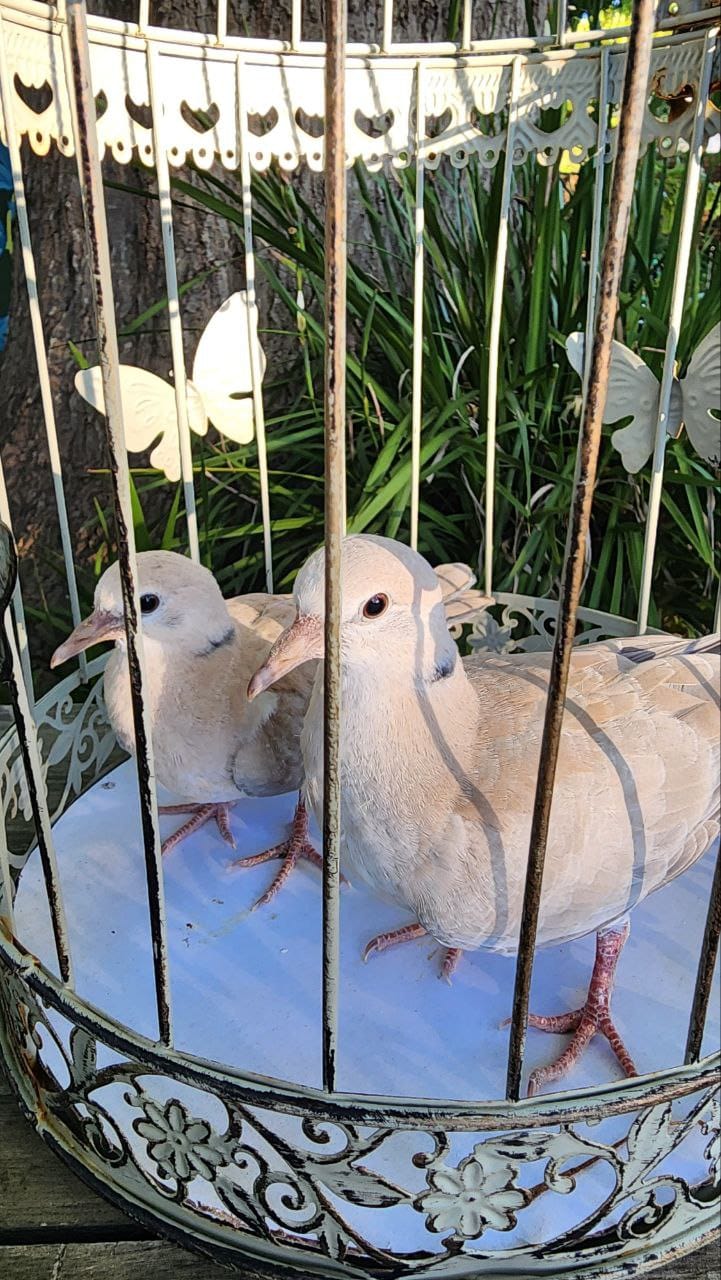
Listen carefully to this riddle: Two which are alike are taken — one killed, the blood sprinkled for forgiveness; the other released in the open. Does it remind you of anything? Correct. Yom Kippur. It is a mini, private Day of Atonement for the sin of this person.
Clay pot, not metal or wood — but baked earth. Porous, which means it can be contaminated and must be broken after use. What does a clay pot represent in Scripture? Human life. Fragility. Me and you.

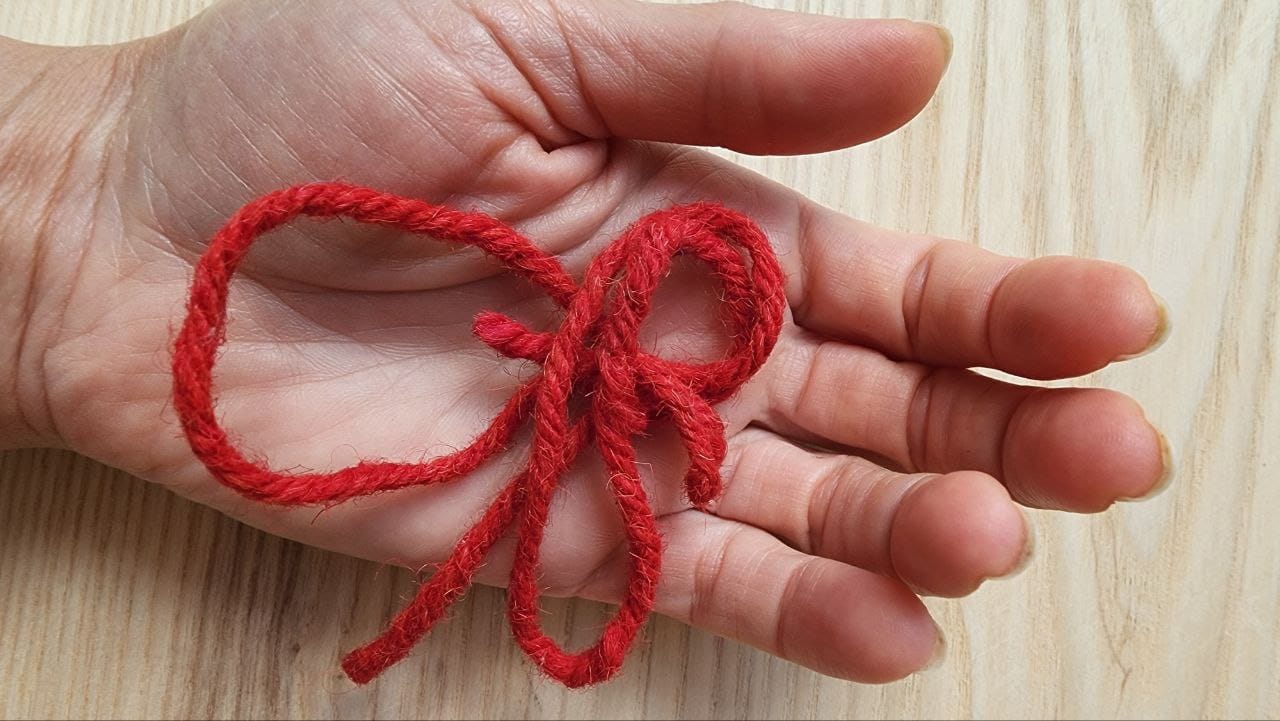
Cedar and hyssop branches. A scarlet thread makes the transition from one species to another.

- Cedar — a tall, majestic tree linked to pride in the Bible.
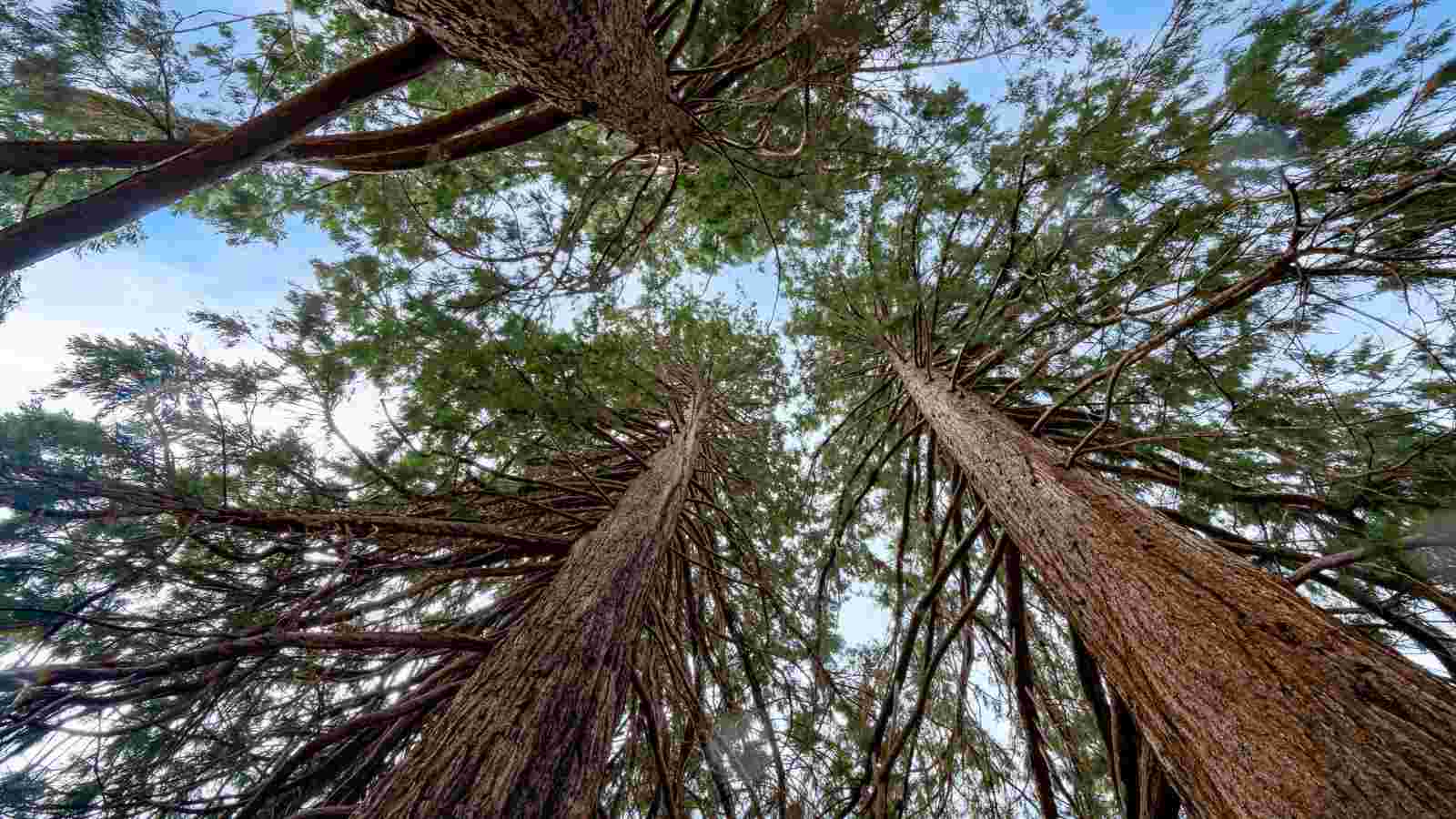
- Hyssop — a low shrub with amazing healing properties. Have you seen it grow? It doesn’t stay upright when it reaches a certain height; it bows to the ground, which gives it assosiation with humility.

- Red thread — the line of dripping Saviour’s blood, which transforms our pride into humility.
Which one of these two touched Christ’s lips on the cross? His pure lips, which are the example for ours — even for His murderers: “Father, forgive them, they don’t know what they are doing.”
The water and blood in which the living bird is dipped is an allusion to the mixture from Jesus’ side, which runs to release us — to let us fly free, marked with His sacrifice, sprinkled seven times just like Naaman.

On the first day the restored person shaves, washes clothes, bathes — days to think about his situation. On the seventh he will do the same all over again — the new birth and rebaptism.
On the eighth day he brings many offerings and receives anointing from the priest with blood and oil: his right ear, the thumb of his right hand, and the big toe of his right foot — hearing pure things, righteousness of deeds, marked for holiness in daily walk. Set apart for God.
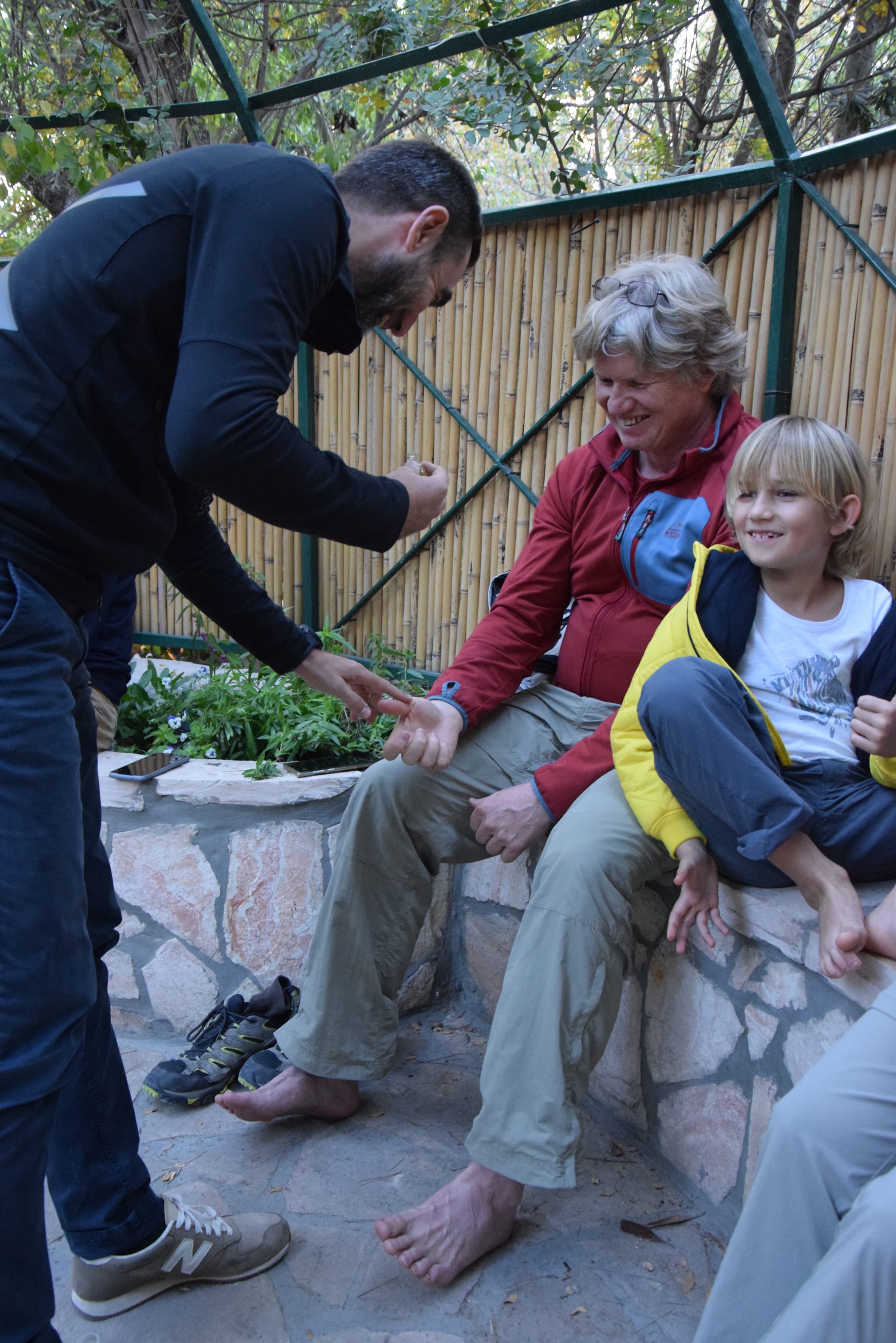
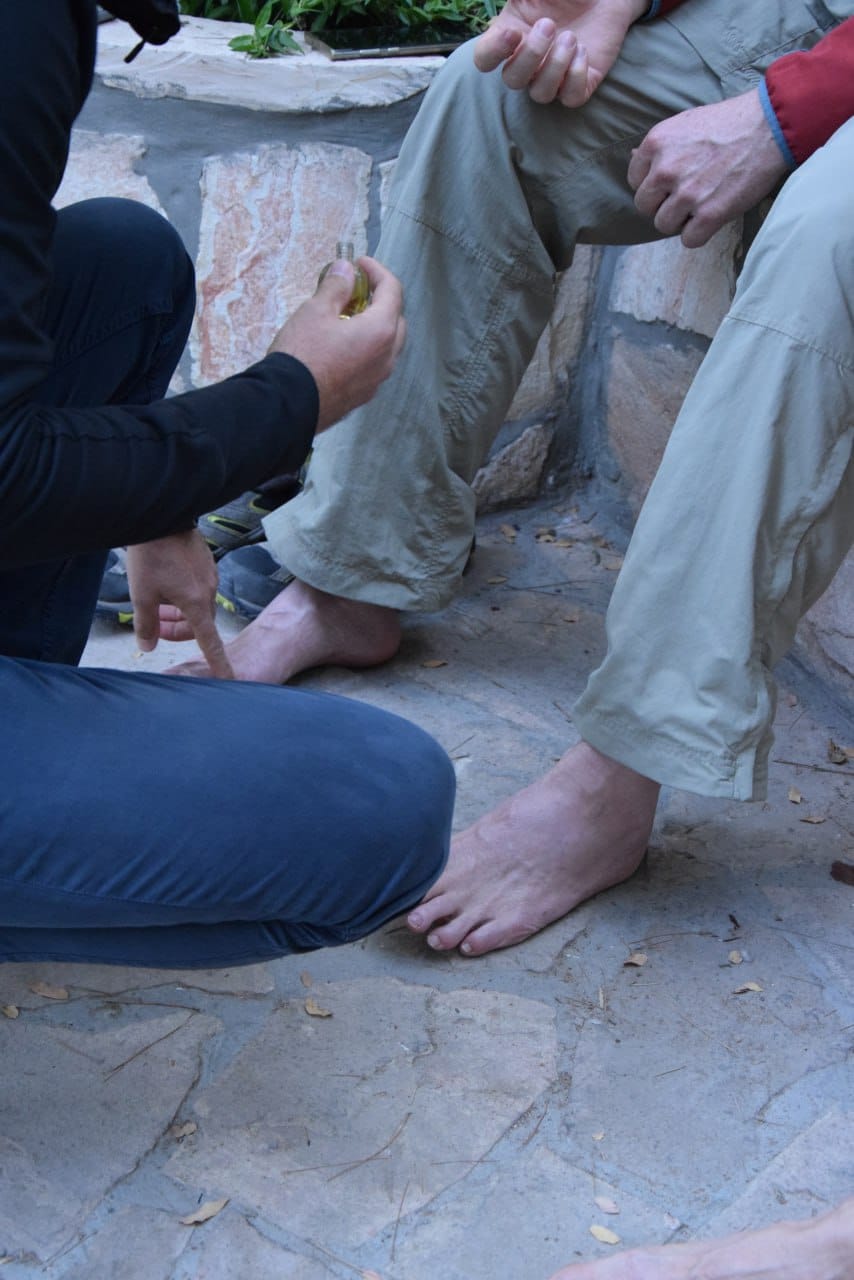
Where else in Scripture do we read about the eighth day of ordination?
It is the ordination of the priests for the sanctuary.
The excommunicated sinner receives the elevated status of a priest, sharing God’s word with the community.
Unclean lips receive personal atonement as on Yom Kippur, so no one may rebuke the repentant sinner for his past.
Tzaraʿat thus becomes a theology of restoration.
Do you, like these ten on the road, beg God to grant you a certain request — something crucial and life-defining?
God will be able to answer you only if you show steady obedience to what He has already asked of you — His requirements.
What are these requirements? You all know them:
His Law describes them. His health laws are known to you.
“He has shown you, O human, what is good; and what the LORD requires from you: only to do justice, to love kindness, and to walk humbly with your God.” (Micah 6:8)
I will ask you a question: All ten men were cleansed from tzaraʿat. Did they all repent?
Luke, the gospel writer, gives us a direct semantic clue: he says that only one, a foreigner, “returned.”
He writes in Greek, the very Septuagint word ὑπέστρεψεν (hupestrepsen) — to turn back, to reverse direction —
but his thinking is shaped by Semitic patterns. The equivalent Hebrew word is שׁוּב (tshuv) — to repent, to return.
Every theology student knows that tshuvah — repentance — is not just a 180-degree turn,
but the inner decision to go back to the place where you left God.
It is the moment when you say: “I will arise and go to my Father.”
Exactly what the prodigal son did — he not only turned around;
he returned home — and was embraced by the Father.
And this repentance brought him salvation.
In this short passage Luke uses three different verbs for restoration, to show us that being healed does not mean being saved:
- καθαρίζω (katharizō) — to make clean (ritual/Levitical term)
“And as they went, they were cleansed.”
“Were not ten cleansed?” - ἰάομαι (iaomai) — to heal, to restore to health (medical term)
“Seeing that he was healed.” - σῴζω (sōzō) — to save, to rescue, to make whole (salvation term)
“Your faith has saved you / made you whole.”
You see — being heard and being saved are two different things.
Just because someone’s prayer is answered, even if a miracle is performed, it doesn’t necessarily mean that the person is in a saving relationship with God.
This is the danger we rarely name: we can receive His gift and miss His heart —
to walk away with full hands yet unchanged, to enjoy the blessing more than the Blesser.
Nine received mercy in their bodies. Only one received mercy in his soul.
The foreigner recognized in Christ not just a Master or Prophet like Elisha — he understood something profound about Him and returned / repented:
“He fell on his face at Jesus’ feet, giving Him glory.”
This is the language of temple worship — acknowledgment of divine Presence.
- Nine kept walking toward the priest of earth. One turned back to the Priest of Heaven.
- Others sought Shekhinah, the Presence in the temple; this one met the walking Temple Himself.
- He repented before the High Priest, who came to meet him outside the camp.
The Priest announced him clean, moreover — in a saving relationship: “Your faith has made you whole”.
Impurity does not pass to Him; holiness passes from Him.
He does not contract sickness; He eliminates it.
He does not receive death; He reverses it.
I beseech you, beloved — learn the power of your words.
It takes humility and strength to trade complaint for gratitude.
Speak not words that wound, but words that heal.
Not bitterness — but thanksgiving.
It takes a decision and persistence — to pronounce the blessing upon your spouse, your child, your friend, your neighbour.
You are the image of God; His Word in you has power to restore and give life.
What do I do when the information I receive is not gossip but a sorrowful truth?
Make this report not for circulation but for intercession.
Let it become your responsibility before God — to act for that person’s good.
Beg for forgiveness for the damage unclean lips have caused.
Plead for mercy not only for what is visible, but also for what you cannot see.
Do what He asked, even when it seems unreasonable.
Act in faith — the healing will happen as you walk your journey as He directed you.
And when it comes — fall at His feet in gratitude, recognizing Him — Him alone —
who can change your unclean lips into blessing.
And may your returning — your repentance — become the turning point for someone else’s healing.