Today is the last day of the year 5786. Tomorrow is the Day of Teru‘ah.
“In the seventh month, on the first day of the month… a memorial of teru‘ah…” Lev. 23:24
“It shall be for you a day of teru‘ah (wake-up call, alarm blast — translation by the author).” Num. 29:1
I stubbornly repeat the lines of Psalm 27, trying to inscribe in my rock-hard memory these last Hebrew words forever:
לְדָוִד ה׳ אוֹרִי וְיִשְׁעִי מִמִּי אִירָא
“Of David. The LORD is my light and my salvation: whom shall I fear?” Ps. 27:1
Which period of David’s turbulent biography was less vulnerable? The early wilderness years, guarding the flock among lions and bears, snakes and scorpions, under the scorching heat of the day and cold of the night? The hidden years after his anointing, living within reach of Saul’s madness? Absalom’s rebellion—his own son against him—and Sheba son of Bichri? Or the years of wars with Philistines, Amalekites, Moabites, Edomites, Ammonites, and Arameans?
Each word is not a poetic abstraction. He had lived them.
Why light? Follow me through the logic of David’s thoughts:
“One thing I have asked of the Lord, this only do I seek…”
What?
שִׁבְתִּי בְּבֵית־ה׳ כָּל־יְמֵי חַיַּי
“That I may dwell in the house of the Lord all the days of my life.” Ps. 27:4
Among all his pursuers, one idea pursued David through all his life — to be in the Sanctuary, to enter it, to build the Temple, to live there.
David’s heart speaks to him on behalf of God:
“Seek My face.”
And David answers:
אֶת־פָּנֶיךָ ה׳ אֲבַקֵּשׁ
“Your face, Lord, I seek.”
This longing to see Him becomes unbearable. David knows where to find Him — tangible, in Person.
In the Sanctuary. House of the Lord.
What to do there?
לַחֲזוֹת בְּנֹעַם־ה׳ וּלְבַקֵּר בְּהֵיכָלוֹ
“To behold the beauty of the LORD and to inquire in His Temple.” Ps. 27:4
First let me explain the first words in bold: Hebrew word - בְּנֹעַם - beno’am can be described as loveliness, sweetness, delight, graciousness, charm.
After that - וּלְבַקֵּר – u levakker carries as well a wide semantic range: inquiry, examination, investigation, looking closely into, seeking understanding.
David’s desire is not: “I want to be in the Temple”, but to search there, to look closely into the Face of His Loveliness. Be charmed by the beholding.
After that we are entering with him the space of Mishkan:
כִּי יִצְפְּנֵנִי בְּסֻכֹּה בְּיוֹם רָעָה
“For He will hide me in His sukkah in the evil day.”
Sukkah by the way is the Most Holy Place. Here again:
יַסְתִּרֵנִי בְּסֵתֶר אָהֳלוֹ
“He will hide me in the secret place of His tent.” Ps. 27:5
Notice the language:
סֻכָּה — sukkah — shelter
אֹהֶל — ohel — tent
סֵתֶר — seter — hidden place
Where there is Mishkan, there is Light.
Where there is Light, there is Judgment.
And in David’s theology, Judgment is salvation.
Reading next line I was transferred to the second Temple surroundings:
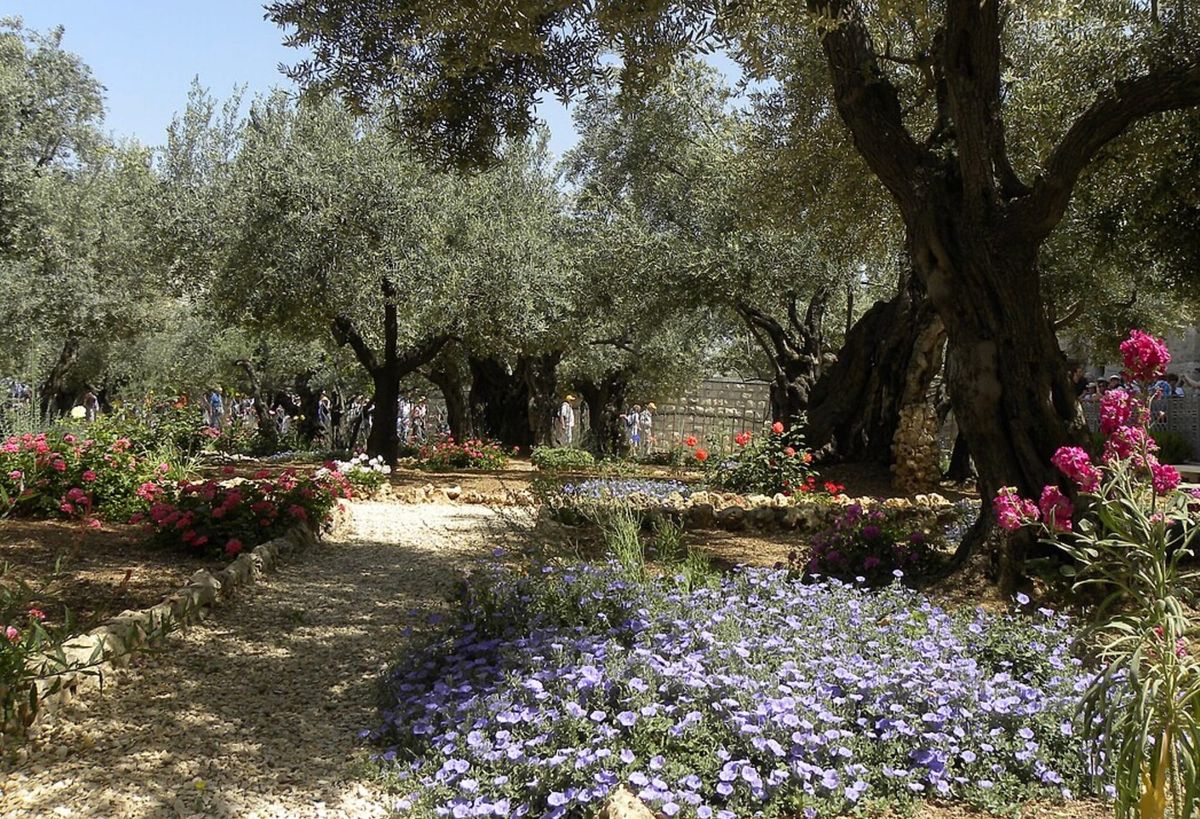
The full moon shimmered in the silvery leaves of the olive grove, encircling the great stone of the olive press. Dew dripped from the young shoots like blood, falling upon its rough basalt surface.
“Gethsemane / Olive Press” in Hebrew
גַּת שְׁמָנִים Gat Shemanim
Suddenly, the deathly stillness of the night was broken by the approaching rumble of many footsteps and the restless flicker of torches.
A band of darkness, with weapons and lanterns, is hunting down the Light of the World.
I freeze, my eyes fixed on His face in the moonlight. Not a single feature of His countenance moves.
“Though an army encamp against me, my heart shall not fear.” Ps. 27:3
The disciples sprang from their overpowering slumber. Their first instinct — to flee.
“Jesus, knowing all that would happen to Him, came forward… Whom are you looking for?” John 18:4
“Jesus the Nazarene…”
Answering, He pronounced the formula—ἐγώ εἰμι, “I AM”—in Johannine literature a reference to the Divine Name and the manifestation of His glory in the burning bush. Three times in that passage He confirmed with that Name that He is indeed the Lord of heaven and earth.
The Divine Presence shone forth: they staggered backward and all—priests, elders, soldiers, and Judas—the whole lot fell to the ground. John 18:6
“When evildoers drew near against me, to eat my flesh—my adversaries and my enemies against me—they themselves stumbled and fell.” Ps. 27:2
He could have used this moment to escape, but He remained.
After the light faded away, He waited for them to recover in their intentions and allowed Himself to be bound.
The Psalm transformed my journey toward the Day of Judgment from a solemn, sobering march into a tender, all-consuming expectation of meeting the Beloved.
I lived it all through this month.
And now, facing my King on the throne, I lift my head, as David, His servant:
“And now my head shall be lifted up above … and I will offer in His tent sacrifices of teru‘ah.” Ps. 27:6
And the song concludes with assurance of life and goodness for the coming year and eternity ahead:
“…I believed that I would see the goodness of the LORD in the land of the living.”
There are mysterious Masoretic dots over לוּלֵא before that phrase: “had it not been, if not…”—like a line drawn through it when we cross the wrong word out—wiping away every trace of self-confidence, leaving only הֶאֱמַנְתִּי — “I believed.”
לוּלֵא הֶאֱמַנְתִּי לִרְאוֹת בְּטוּב־ה׳ בְּאֶרֶץ חַיִּים
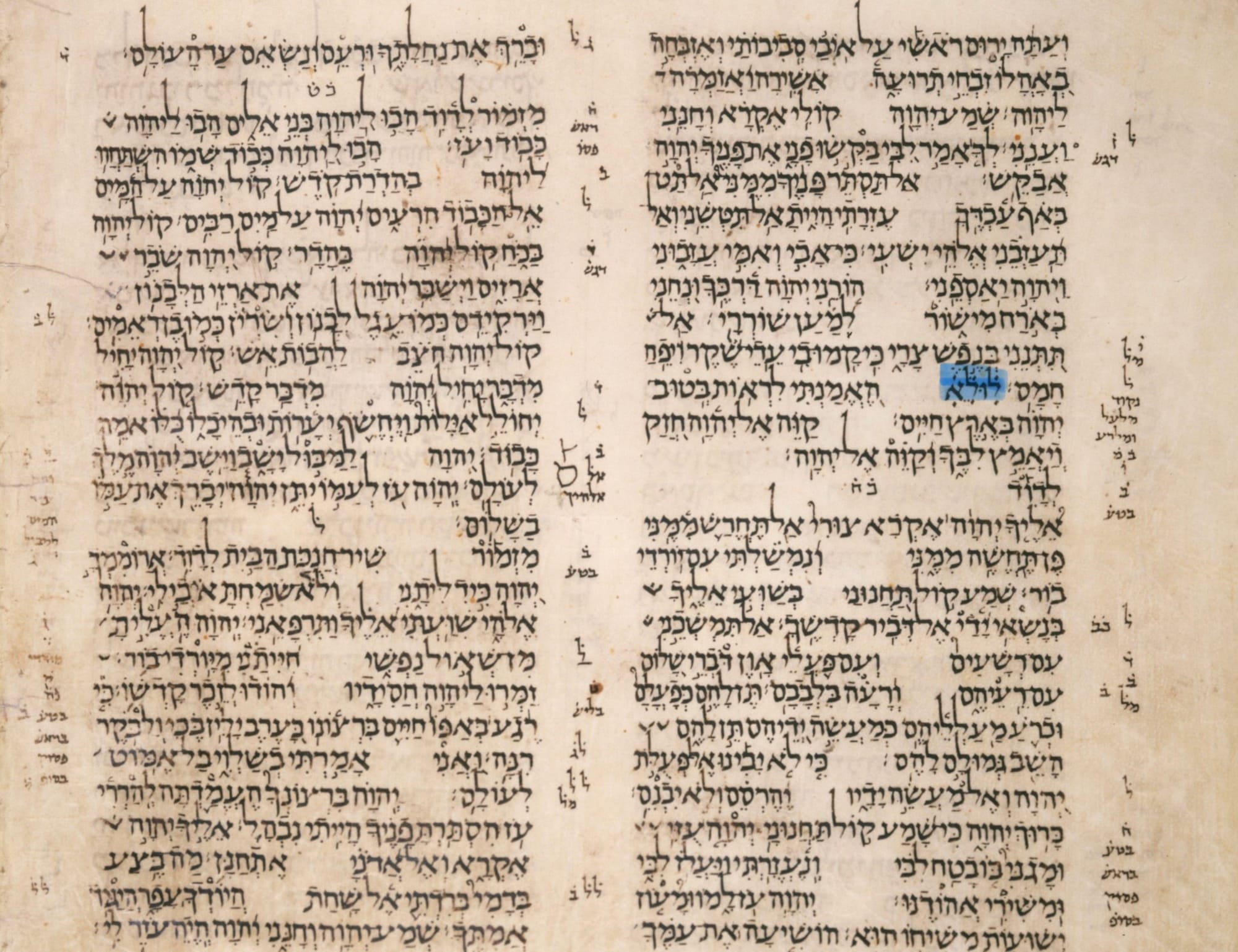
Therefore, I indeed will see the goodness of the LORD in the land of the living. Ps. 27:13
Member discussion: