Beyond the Horizon: Reading ʿOlam with Hebrew Eyes
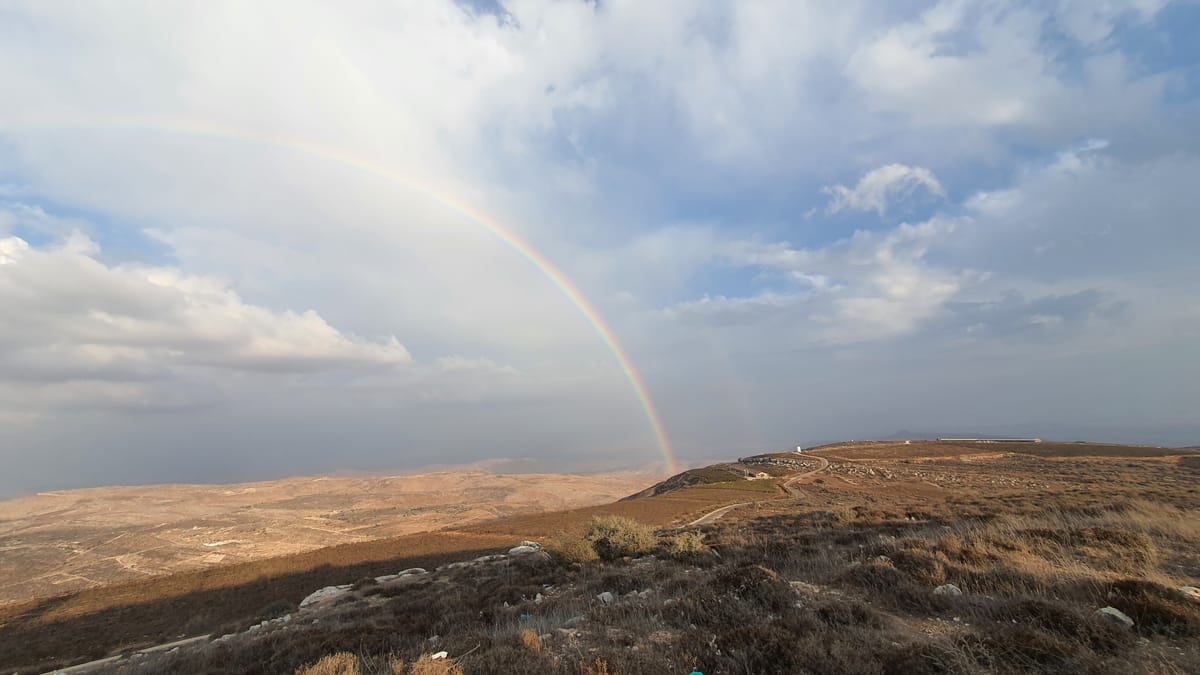
When looking off into the far distance, it is difficult to make out
any details. What is beyond the horizon cannot be seen. This is
the concept behind the Hebrew verb עָלַם alam, meaning “to
be beyond the horizon,” “to be beyond view” or “to hide, to be concealed.”
The noun עוֹלָם — ʿolam derived from this verb means the “horizon” or “out of sight.”
Before the mountains were brought forth and you
formed the land and the world, from horizon
(olam) to horizon (olam) — מֵעוֹלָם וְעַד־עוֹלָם— You are God.
Psalm 90:2
In the most translations we read: “From everlasting to everlasting, You are God.”
Words used for space, such as we see in the verse above, can also be used for time. In the verses below, the word olam can mean “a long time” in the past or
the future.
...Your fathers dwelt on the other side of the river
a long time ago (olam)...
Joshua 24:2
I despise it, I will not live for a long time (olam)
for my days are vanity.
Job 7:16
The word olam is frequently translated as “eternity” or “forever”
with the mistaken understanding that it means a continual span of
time that never ends—forever. However, in the Hebrew mind,
this word simply means “beyond the horizon,” “a very distant
time.”
The LORD shall reign for ever and ever.
Exodus 15:18
A common Hebrew phrase in the Bible is לְעוֹלָם וָעֶד — leʿolam vaʿed -- forever and ever”. More literally, from a Hebraic perspective, this phrase means “to the distant horizon and again.” When this translation is applied to the above verse, it can mean, “The Lord will reign to the horizon and beyond” or “The Lord will reign for a
distant time and beyond” or even both.
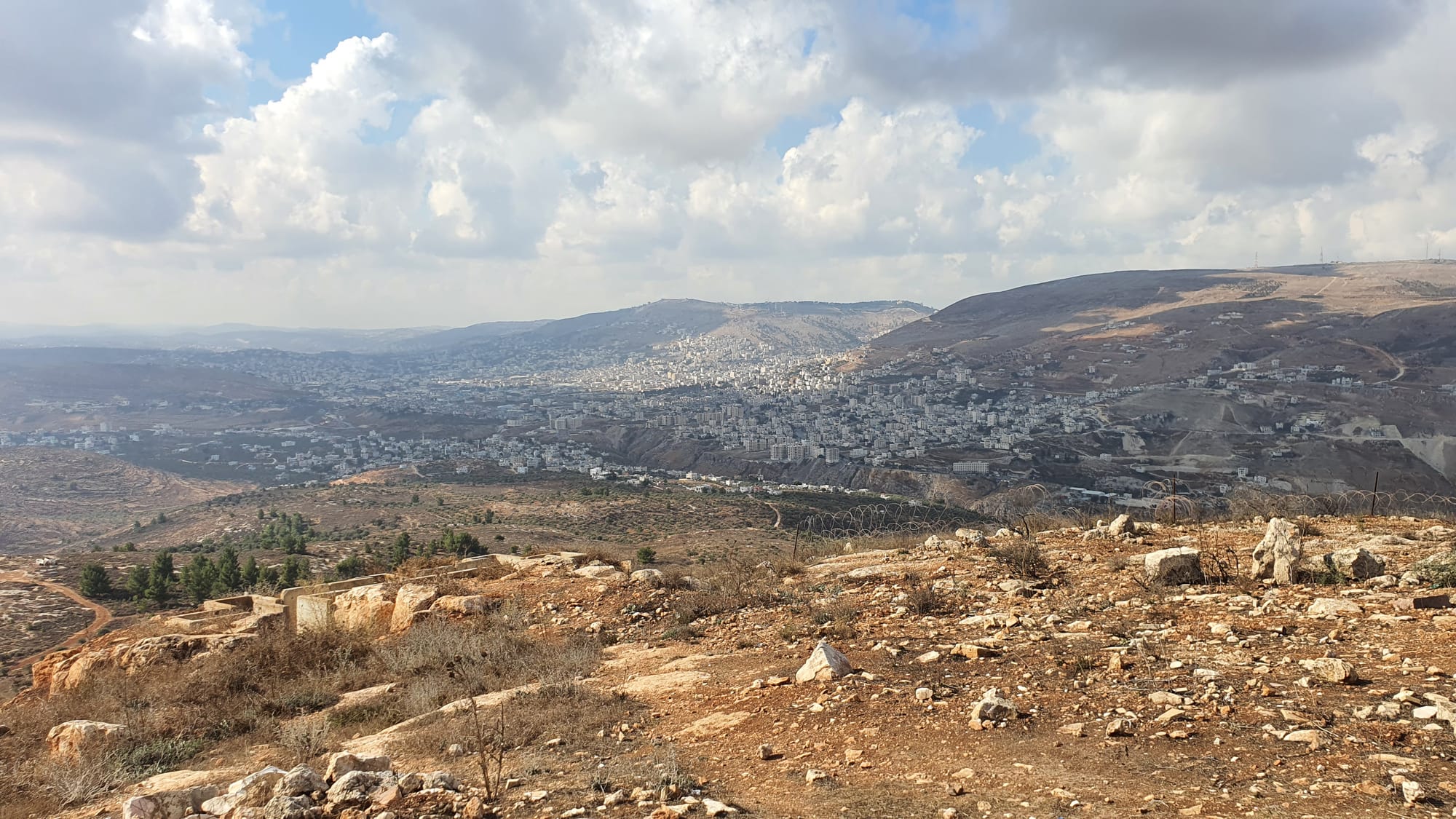
We stand in the narrow slice of what is visible;
He rules in the vastness of what is hidden.
What is beyond our sight is not beyond His sovereignty.
What disappears into the distance remains fully held by Him.
So we pray with Moses,
standing on our small ridge of life,
looking toward the light we cannot fully access:
“Teach us to number our days,
that we may gain a heart of wisdom.”
(Psalm 90:12)
Because wisdom is not knowing every horizon—
wisdom is trusting the One
who reigns to the horizon and again.