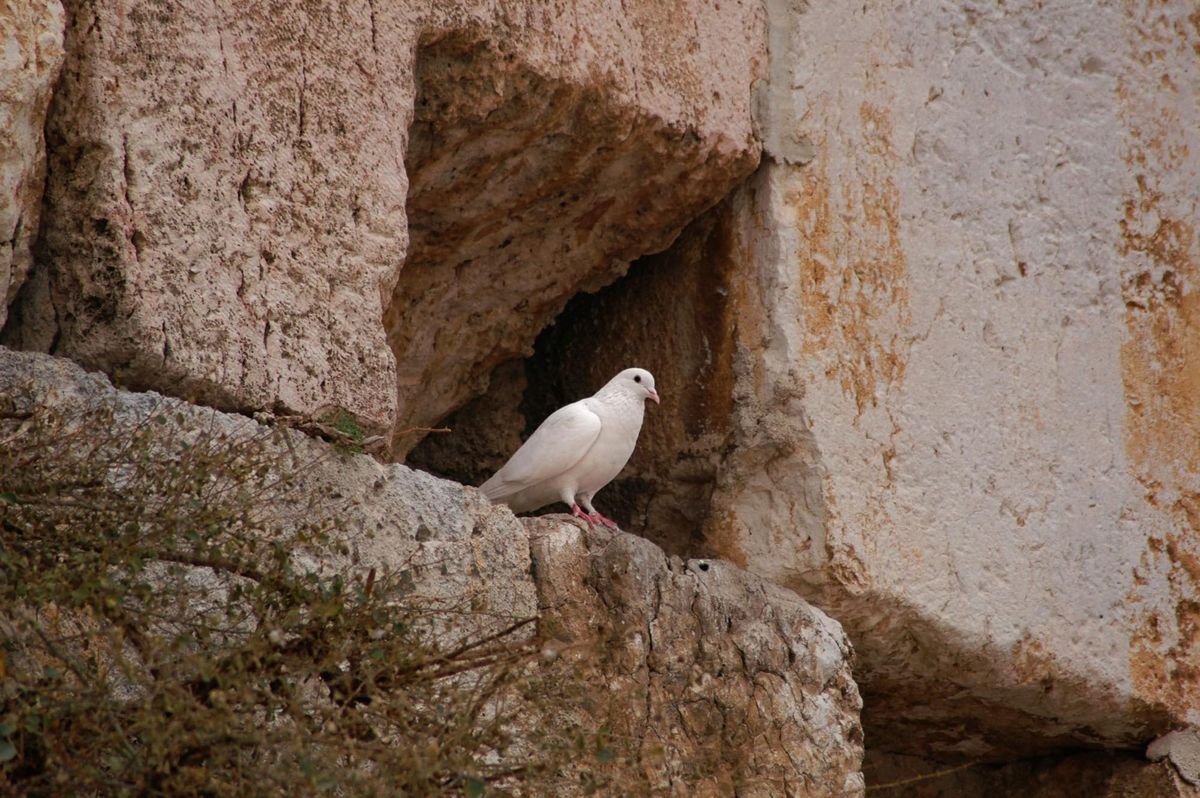
Somewhere three months before our son was born, I caught my husband unexpectedly with a question:
“What is your son’s name?”
“Ben,” he answered instantly, without hesitation.
And suddenly the long search for a name was finished.
Binyamin (בִּנְיָמִין): from ben “son” and yamin “right hand,” hence “son of the right hand.”
“But my parents will never be able to pronounce it,” I said, - “Let it be with Southern Hemisphere spelling: Veniamin.”
Very unusual to the South African ear, but my husband liked it.
And now, as our son is turning twelve, I am still discovering the richness of his biblical name that carries something important into his destiny.
On the plains of Moab, on the last day of his life, Moses gave his final blessing to the tribes of Israel.
One by one he spoke over them, only Simeon is missing from the list for his wrongdoings.
And about Benjamin he said… (Deut. 33:12)
At the second census, shortly before Israel entered the Land, Benjamin counted 45,600 men of military age — men 20 to 50 years old (Numbers 26:41). With women, children and the elderly included, the whole tribe may plausibly be somewhere around 170,000–220,000 people.
Among the twelve tribes, Benjamin stands the 7th on the scale.
Not the greatest tribe.
Not the strongest.
Not the most numerous.
And yet when Moses comes to Benjamin, he says something no other tribe got:
יְדִיד יְהוָה
Yedid Adonai — “the beloved of the LORD.”
And suddenly the numbers do not matter anymore.
It is like a door opening into a very unusual intimacy, echoing his past.
He is among twelve brothers as the youngest — the pure one — tenderly treasured by his elderly father and regarded as especially precious by brothers.
Half-orphaned from the birth, never met his beautiful mother. His older brother was “murdered” — that what he grew up knowing.
All the affection and tenderness Jacob could still bestow — upon the last surviving son of the woman he loved, and upon the living memory of his favourite son — gathered around Benjamin.
When the brothers had to return to Egypt with Benjamin, Jacob resisted desperately:
“My son shall not go down with you; for his brother is dead, and he alone is left.”
Nine sons standing before Jacob (Simon was detained by Joseph), but Jacob dares to say: Benjamin only remains. Emotionally, through the eyes of Rachel.
Centuries later, feels so strangely personal, as a reminder:
יְדִיד יְהוָה יִשְׁכֹּן לָבֶטַח עָלָיו
“The beloved of the LORD shall dwell securely beside Him…”
I am not a possessive mother, nor am I overprotective, but when you have been given the only one — the one you prayed for and waited for so long, the one whose birth cost you so much, and whose first fragile years required enormous sacrifice of you — part of your heart ever stays exposed around him.
Let’s read again the whole prophesy:
לְבִנְיָמִן אָמַר יְדִיד יְהוָה יִשְׁכֹּן לָבֶטַח עָלָיו חֹפֵף עָלָיו כָּל־הַיּוֹם וּבֵין כְּתֵפָיו שָׁכֵן
“Of Benjamin he said: The beloved of the LORD
shall dwell securely by Him;
He hovers over him all the day,
and between His shoulders he dwells.”
The blessing is framed chiastically by one outstanding root:
שׁכן
— to dwell, rest, settle, live, tabernacle (where מִשְׁכָּן — Mishkan, the Sanctuary).
And as the center: “He hovers over him all the day.”
Look, it is the same root as in Deut. 32:11 talking about Almighty:
כְּנֶשֶׁר יָעִיר קִנּוֹ עַל־גּוֹזָלָיו יְרַחֵף
“Like an eagle stirring up its nest, hovering over its young…”
Benjamin is enclosed by the language of habitation under the wings, protection and an eyes of the great eagle. The beloved son is given a place with Him, under Him, close to Him — to live and rest:
“he shall dwell securely/safely/confidently (בֶּטַח — betach) beside Him…”
We know where is that Place. Abraham saw it from afar, David dreamed to build, only Solomon fulfilled fathers plans.
“Even the sparrow has found a home, and the swallow a nest for herself, where she may lay her young — near Your altars, LORD of Hosts, my King and my God.” (Ps 84:4)
“and between His shoulders he dwells.” Deut. 33:12
Let me ask you a tricky question.
Jerusalem lay on the border of two tribes — almost like a cake cut between Judah and Benjamin.
But who got the cherry in the center?
On whose territory was the Temple actually built?
You are right, the answer is in the blessing text.
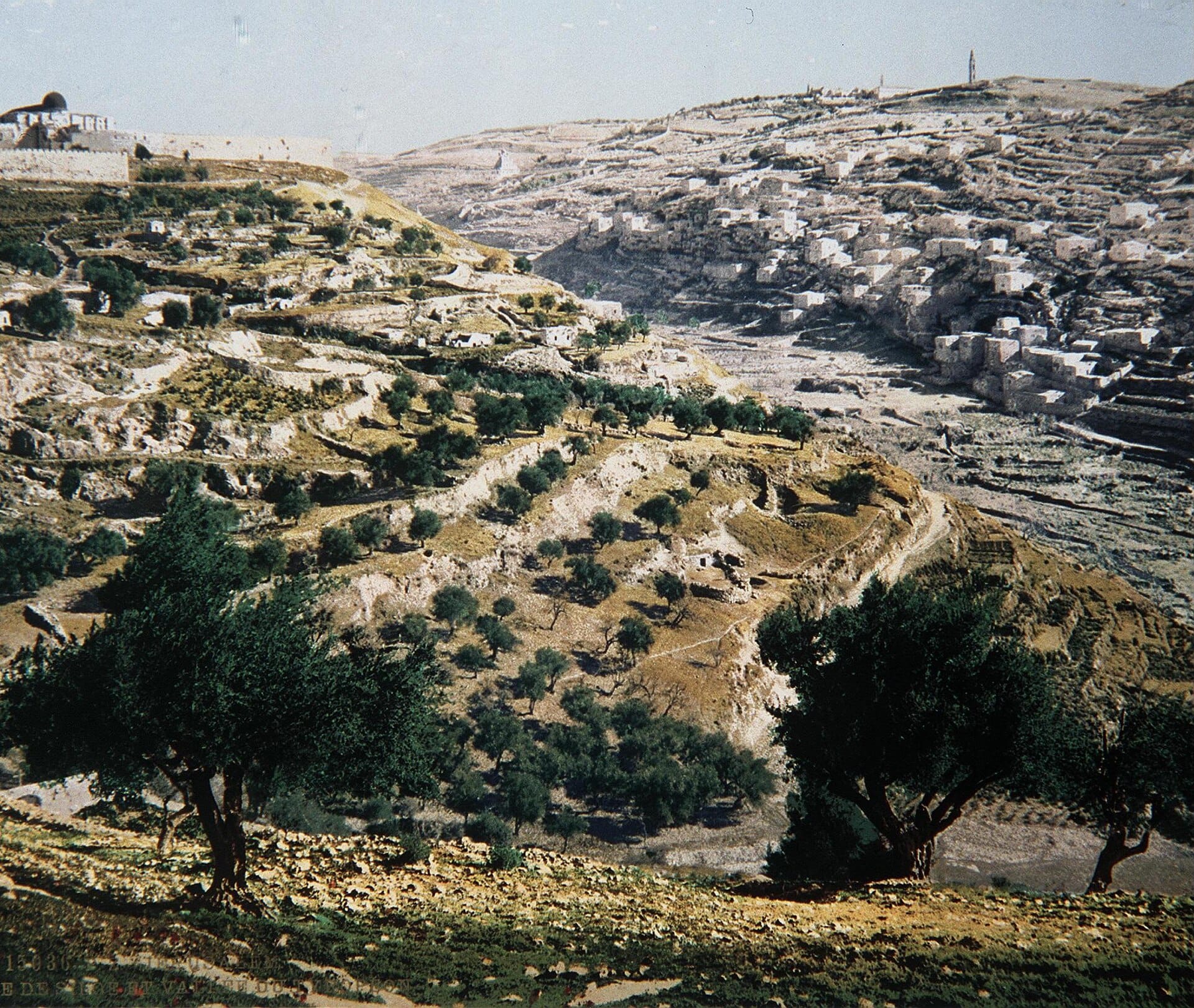
The Temple stood in the inheritance of Benjamin, but not on the absolute highest point of his territory. Geography biblical Jerusalem is built across a system of north–south limestone ridges separated by deep valleys: the Kidron Valley on the east, the Central Valley through the city, and the Hinnom Valley to the south and west. The Temple Mount occupies one of these ridge systems.
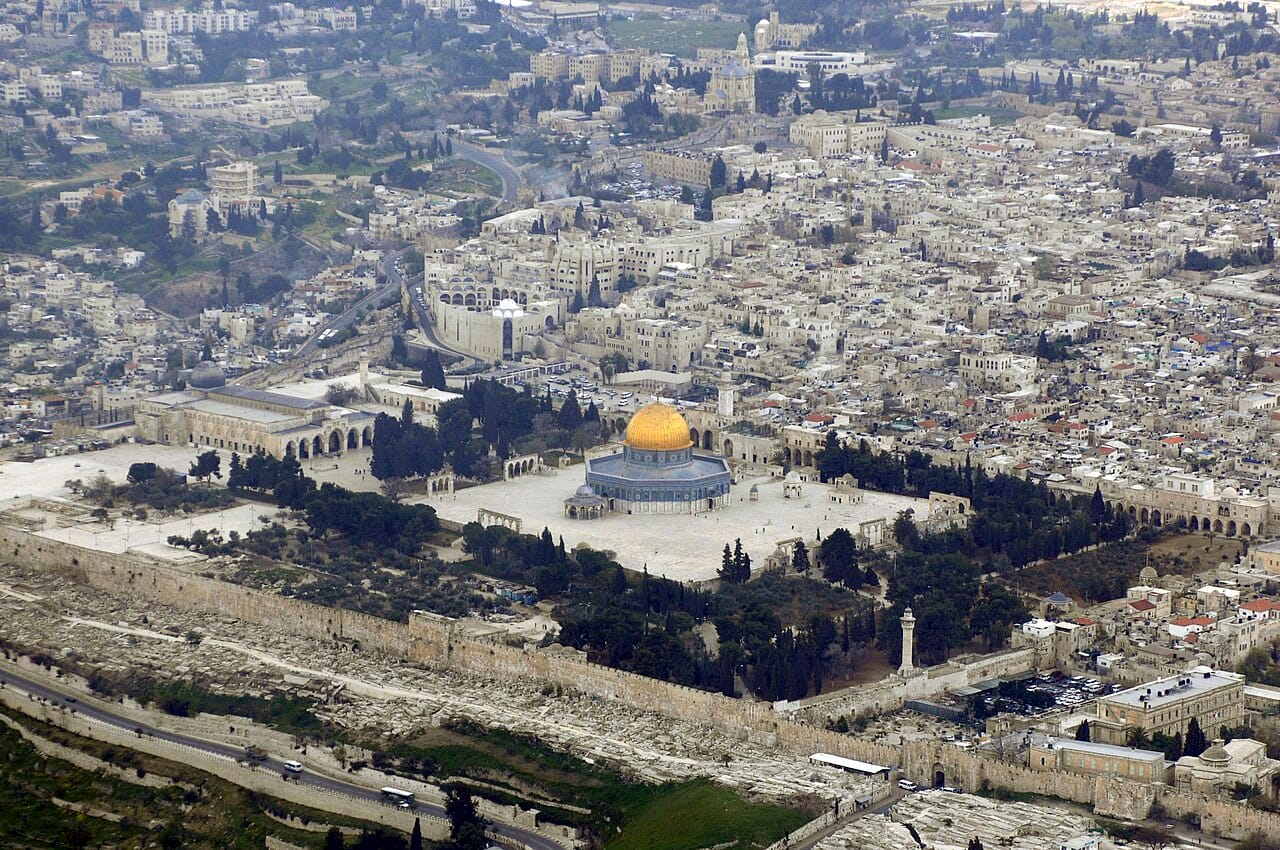
David and Samuel studied the tribal boundaries in Joshua in order to identify the place God had chosen for the Temple. They noticed something unusual: in the description of Benjamin’s border the language repeatedly speaks of the boundary going up, without the corresponding “going down.” From this they concluded that the Sanctuary belonged in Benjamin’s elevated territory.
They first considered Ein Eitam, the higher hill of the Jerusalem topography. But then they read Moses’ blessing:
“and between his shoulders He dwells.”
Not on the head, the absolute summit — but slightly below it, like the shoulders beneath the head. So, they deliberately chose a lower point for the Temple.
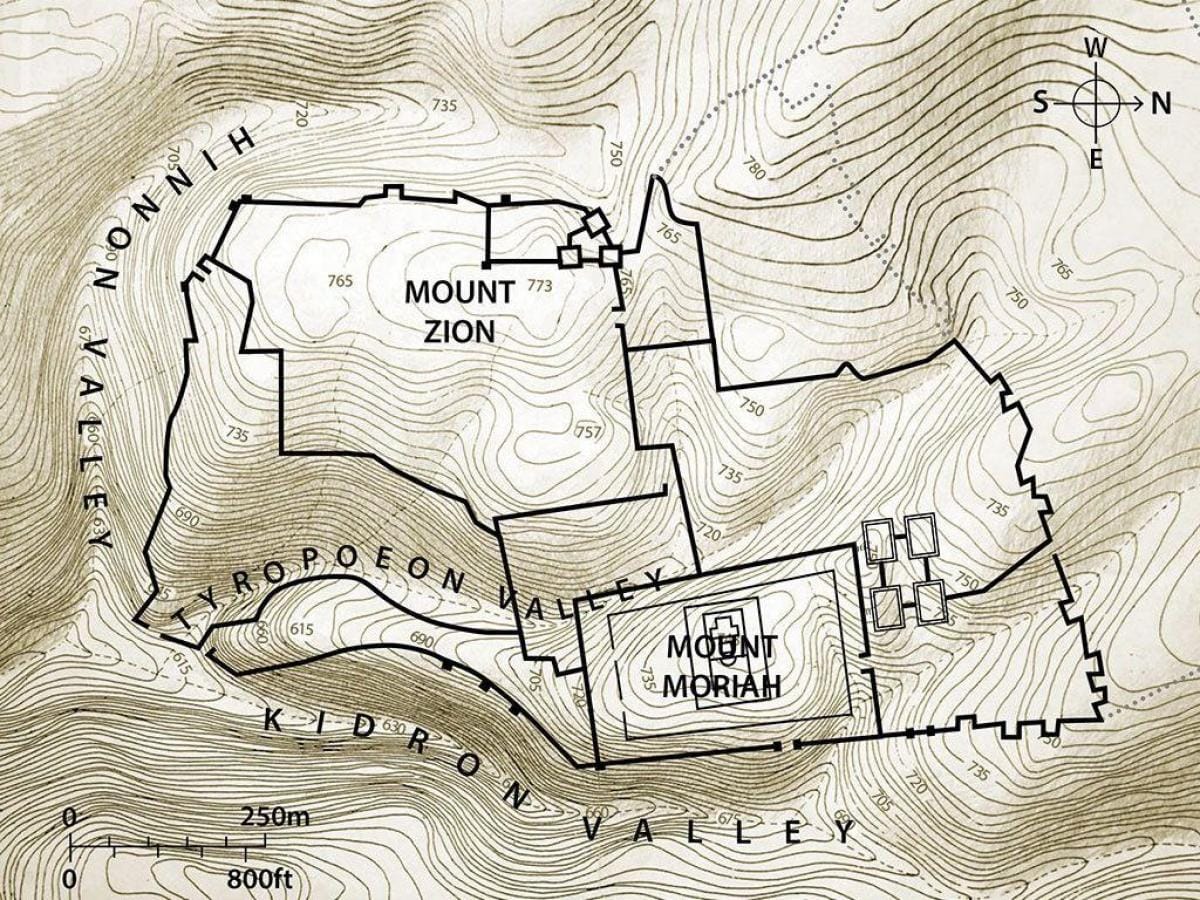
The Blessing tells us not only where, but how God would continue dwelling with Benjamin through the unfolding history of the Sanctuary.
“And the Word became flesh and tabernacled with us.” John 1:14
And as a conclusion to the whole movement of the Sanctuary:
“Behold, I am with you always, to the end of the age.” Mat. 28:20
I remember this promise when I look at my son — the one entrusted to me, yet never mine to keep. There is a quiet comfort in knowing that the Presence of God is not only a place we come to, but the One who goes with him, remains beside him, and does not leave.
And Scripture closes with the same promise, now made eternal:
“Behold, the tabernacle of God is with men, and He will dwell with them.” Rev. 21:3
From tabernacling with us, to remaining with us, to dwelling with us forever.
Member discussion: