This Sabbath falls just before the Yom Kippur, therefore allow me to share with you just a few insights of Genesis chapter 22 from its vast linguistic horizon.
The chapter is traditionally called עֲקֵדַת יִצְחָק — Akedat Yitzḥak, “the Binding of Isaac” — because Isaac was never sacrificed. The name comes from the verb עקד — 'akad', “to bind,” which appears at the climactic moment:
וַיַּעֲקֹד אֶת־יִצְחָק בְּנוֹ “and he bound Isaac his son”
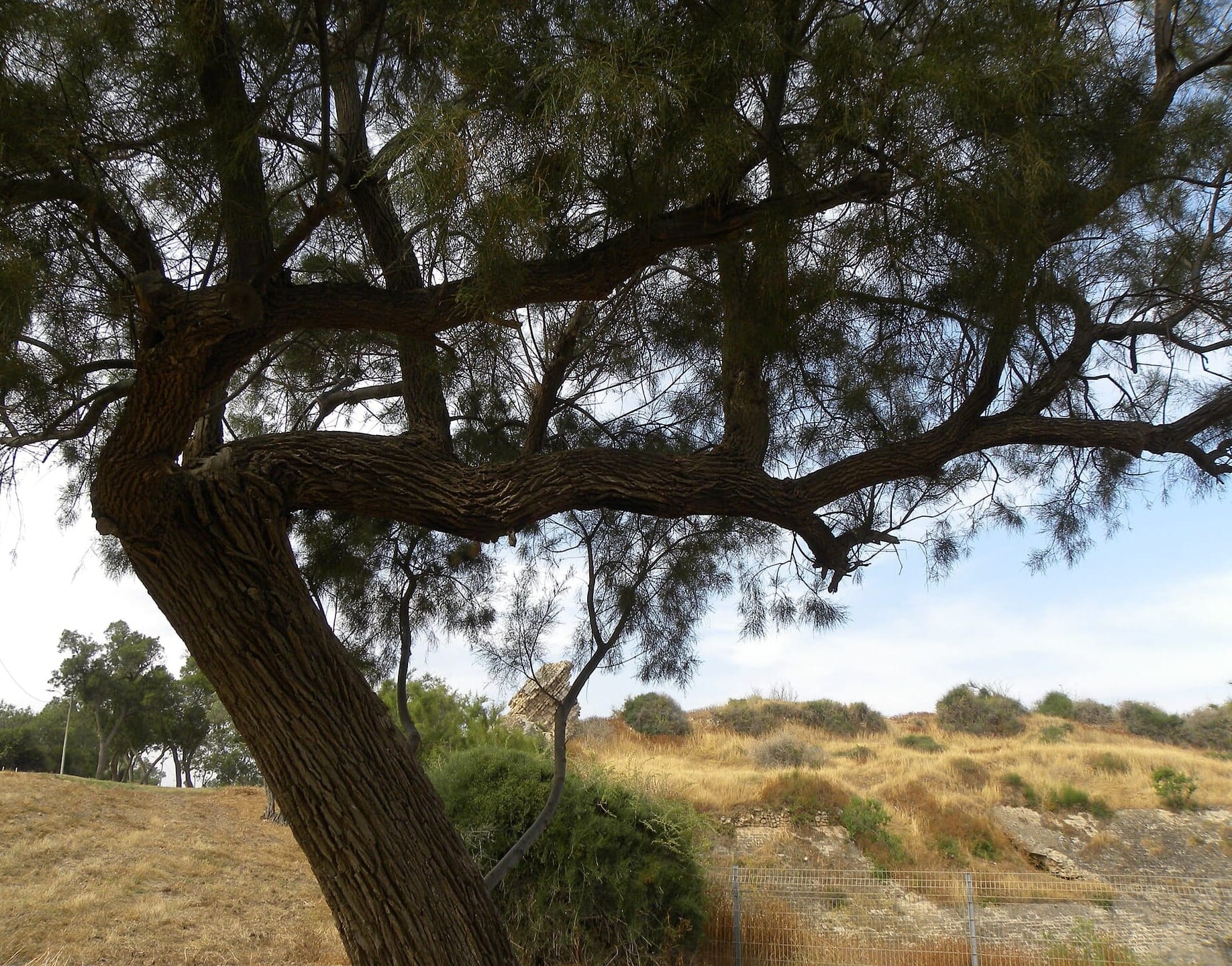
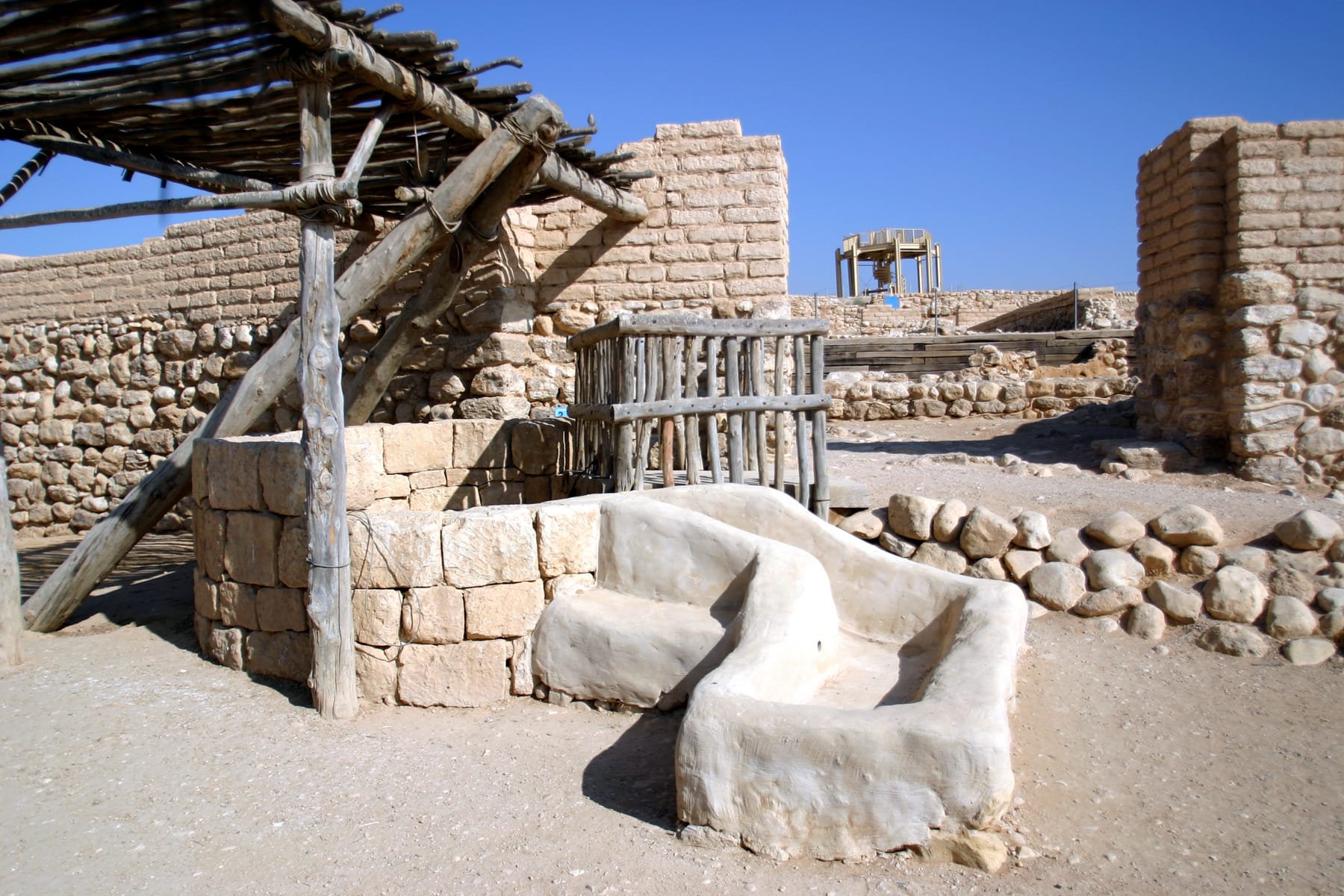
Beersheba. The place of the well, covenant, and tamarisk.
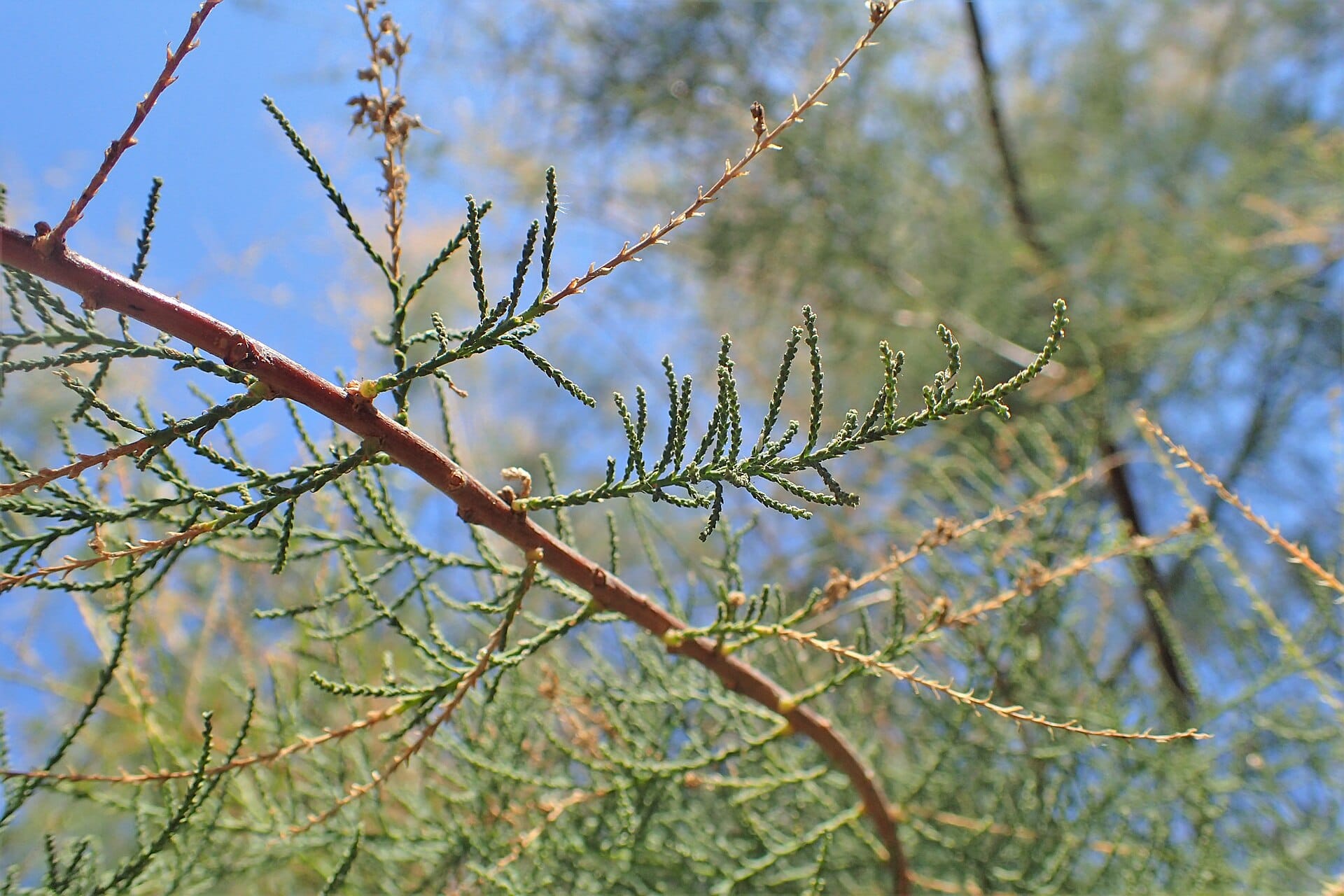
The tamarisk is built for the desert: a pale, twisting trunk carrying clouds of fine, needle-like leaves, almost weightless against the heat. Tiny leaves reduce water loss, and the tree can draw up salty groundwater, excreting excess salt onto its foliage. By morning the leaves feel damp and salty.
“Abraham.”
הִנְנִי —Hineni
" I am here for You." Available to You. Ready for Your direction. A word of humility and readiness.
What would You like me to do?
קַח־נָא — “Please, take…"
That extraordinary נָא — na, “please” changes the tone completely. Not the naked force of an order. Almost a plea: “Please, for My sake, stand firm.”
“…your son.”
“I have two sons. Which one?”
“Your only one.”
“Ishmael is the only one to Hagar. Isaac is the only one to Sarah.”
“The one whom you love.”
“I love them both.”
“Isaac.”
לֶךְ־לְךָ — Lech lecha
Go for yourself. Go toward yourself. Go on your own. Go where you must become who you are called to be.
Moses eliberately echoes Genesis 12, almost creating a frame around Abraham’s life.
The first Lech lecha asked him to leave his past — his land, his birthplace, his father’s house.
Now, in Genesis 22 lech lecha — surrender your future. Isaac.
It is very important that God never says, “Slaughter the child.”
He says precisely:
וְהַעֲלֵהוּ - “bring him up”, “cause him to ascend"
In Abraham’s world, לְעֹלָה — le‘olah naturally pointed toward a whole burnt offering — something wholly given to the fire over upon the altar, skinned, some organs removed.
But God’s language is never one-dimensional.
“Bring him up” - bring him up the mountain, bring him before God, bring him into complete surrender?
The language is precise.
But the end is still hidden inside the word.
“Early the next morning Abraham got up and loaded his donkey.” Gen. 22:3
He restrained himself from looking back.
Back to Sarah, still asleep, perhaps dreaming of the future children of her beloved son.
Back to his beautiful spreading eshel — the tamarisk he had planted to live beneath.
Back to the great well he had dug to sustain life.
Behind him stood everything he had built for the future.
And beside him walked that future itself —
the son he was about to yield up.
He hardly looked up either, his eyes lowered to the dust of the pale soil.
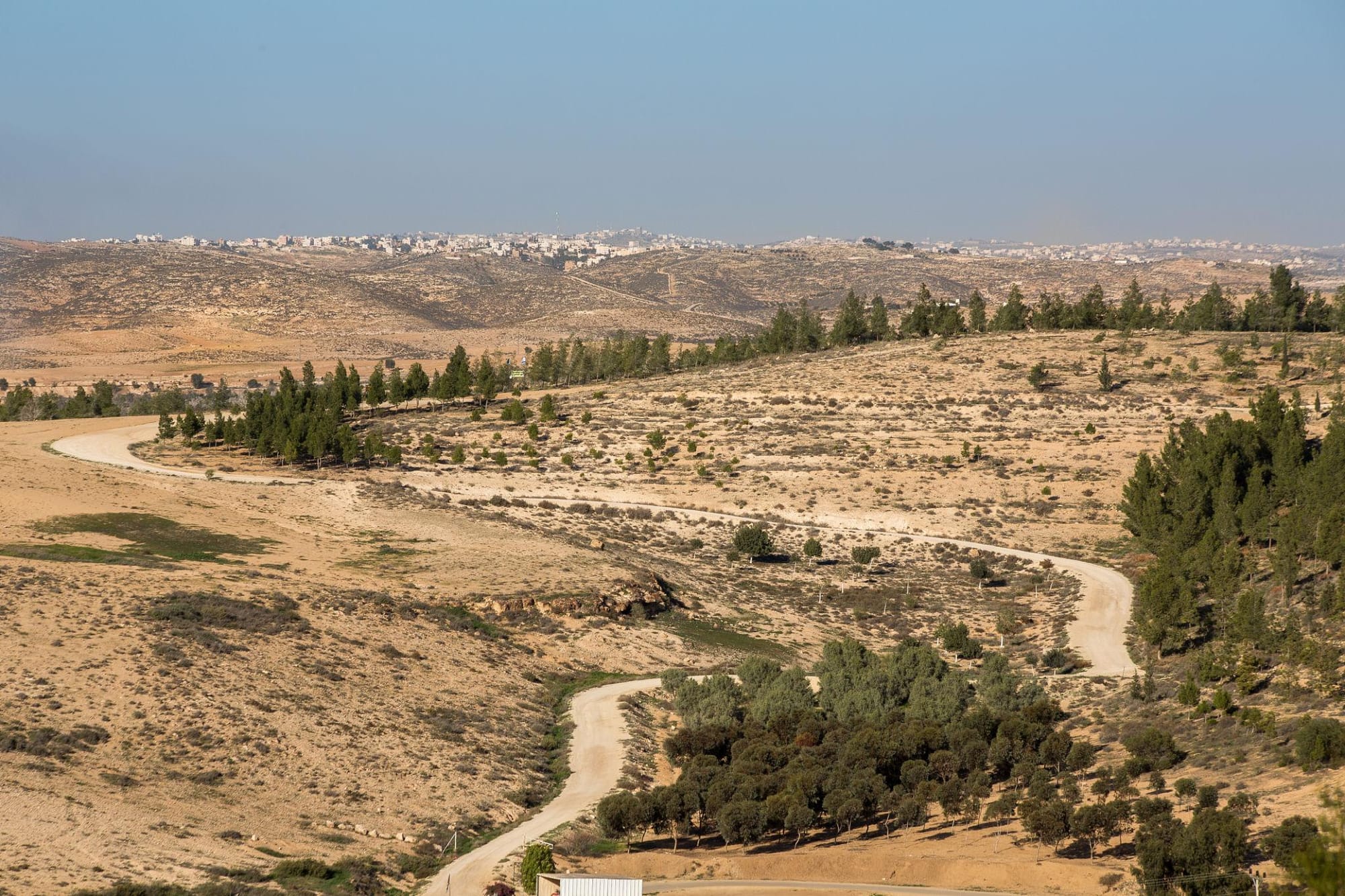
Each step forward was a great effort — not because Abraham was already over a hundred, while Isaac walked beside him as a נַעַר — na‘ar, a youth, roughly from early adolescence until marriage, in the full strength like a mountain ibex, – but because every step carried the father deeper into the word he had heard.
Wadis. Scrubs. Dust. Silence.
The land slowly began to rise.
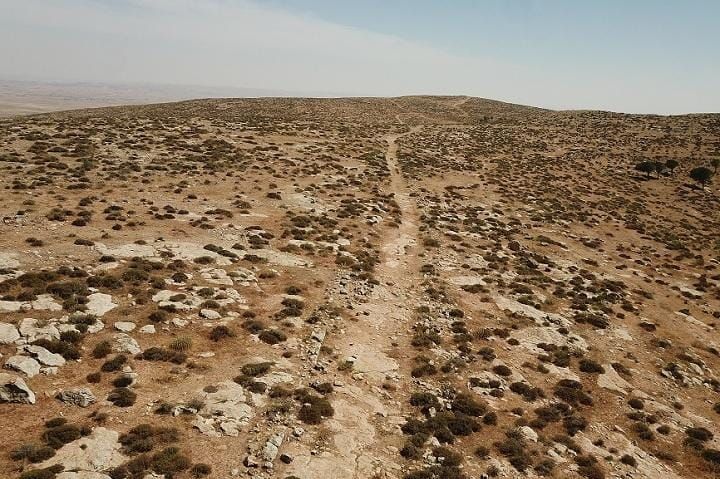
This was no effortless road across a flat plateau, but a journey through the southern hill country — descending into wadis, climbing again, the ground underfoot becoming harder, rockier, more broken.
Then came the signs of the hill country: slopes with vines, figs and olives trees — life taking root among stone.
Somewhere along that long northern journey lay the country of Mamre and Hebron — land saturated with Abraham’s memories: the terebinths, the altar, the promise.
He could have lingered there. Even for a while. But he is bound to the word.
Before the first beams of the third sunrise touched the Way of the Patriarchs, Abraham was already girded for the road. From the rising hill country, the path folded upward toward the central ridge, climbing toward heights of more than 700 meters above sea level — ascent upon ascent, until the horizon itself seemed to lift before him.
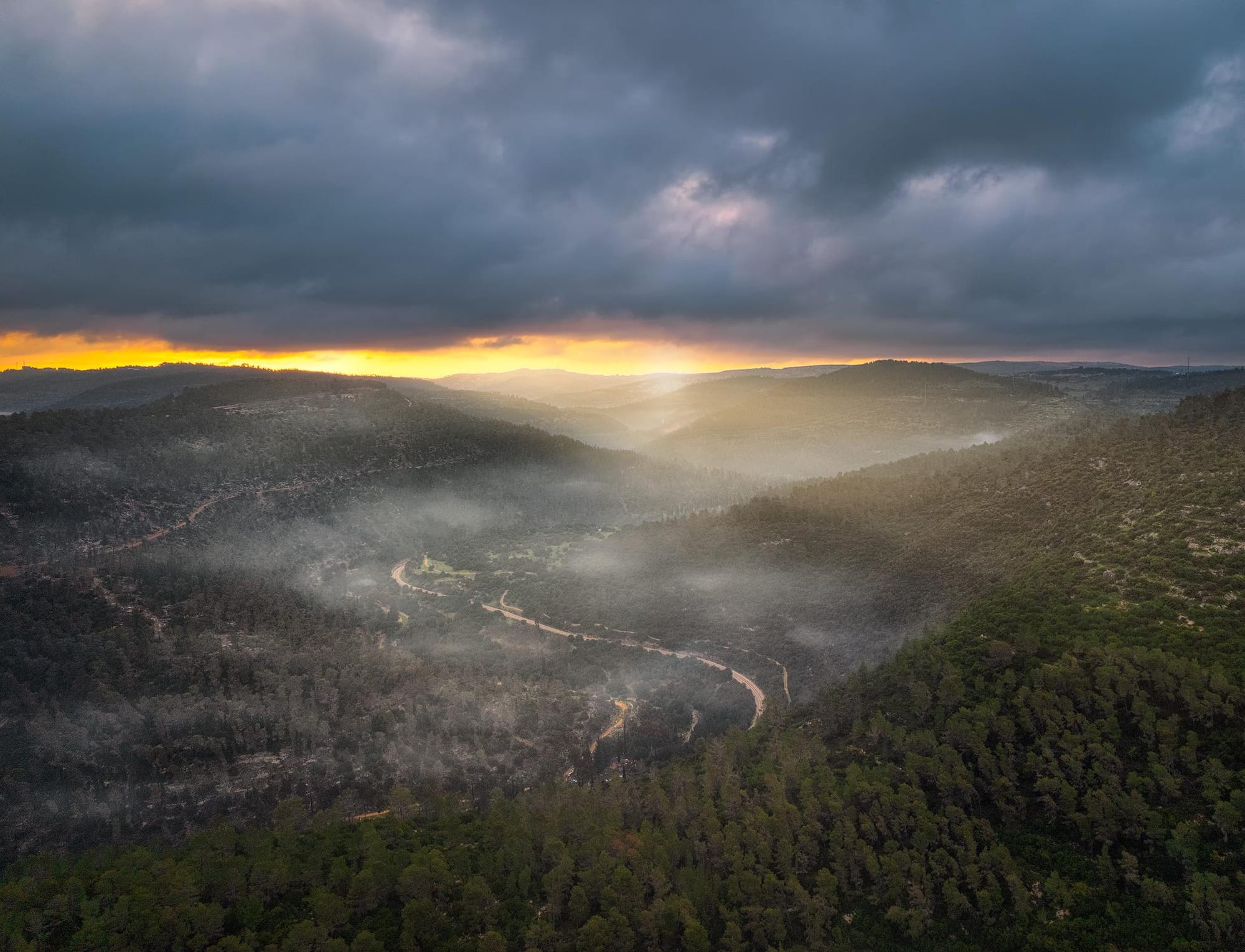
“On the third day Abraham lifted up his eyes…”
Twice in this story Moses tells us that Abraham lifted up his eyes.
And among the folding ridges, one height begins to separate itself from all the others:
הַמָּקוֹם — "ha-maqom — “the place”
“…and he saw the place from afar.” Gen. 22:4
Scripture is very particular with this word. Not just a place. The place appointed, and later, Temple Presence. Here Abraham stops the servants.
“Stay here with the donkey…”
Now the road becomes unbearably intimate.
Only two of them. Together. Fire, wood and the knife.
“Father…”
הִנֶּנִּי בְנִי — Hineni, my son. I am here for you
Three times Abraham says Hineni in the story: twice before Heaven, and once — exactly in the heart of the narrative — to Isaac.
That middle Hineni tears the father in two: he is answering the God who called him, and at the same time answering the son who trusts him completely.
He cannot withdraw from either one. Before God he must remain obedient, before Isaac he must remain father.
And so the same word — Hineni, I am here — becomes almost unbearable: I am here for You, Lord; and I am here for you, my son. I am not absent from either love, even though one seems to be asking me to surrender the other.
The miracle of Akedah that Abraham does not become less of a father in order to obey Almighty. He walks toward Moriah carrying both loyalties inside. — the word from above and the beloved voice beside him. And when his son says, “My father,” Abraham does answers with presence: הִנֶּנִּי בְנִי — Here I am for you, my son.
“Abraham took the wood of the burnt offering and placed it upon Isaac his son.”Gen. 22:6
The father places the burden upon the son.
עֵץ – etz —wood / tree / something made of wood”
Matthew and Mark, describing another night centuries later, use a word from the same semantic world:
μετὰ μαχαιρῶν καὶ ξύλων
“… large crowd armed with swords and clubs / pieces of wood.” Matt. 26:47
ξύλον — xylon is fundamentally wood, timber, a wooden object.
John, describing the road to another sacrifice, gives another wooden burden:
βαστάζων ἑαυτῷ τὸν σταυρόν
“bearing the cross for Himself.” John 19:17
The Son carries the wood.
Allow me one more lexical parallel between the stories of the two sons:
מַאֲכֶלֶת — ma’akhelet, “knife,” in Genesis 22:6 and 22:10
Its root is א־כ־ל — “to eat, consume.”
The text does not use the ordinary later Hebrew word סַכִּין — sakin. It gives us this rarer, darker word, something like a consuming blade.
At Moriah Abraham stretched out his hand and took the knife.
In Gethsemane Peter drew out his knife.
Once again the blade is stopped.
“Put the machaira into its sheath. The cup which the Father has given Me — shall I not drink it?”
There is still a fire element in the both stories, but I will leave you to discover it for yourself.
And then again about Abraham:
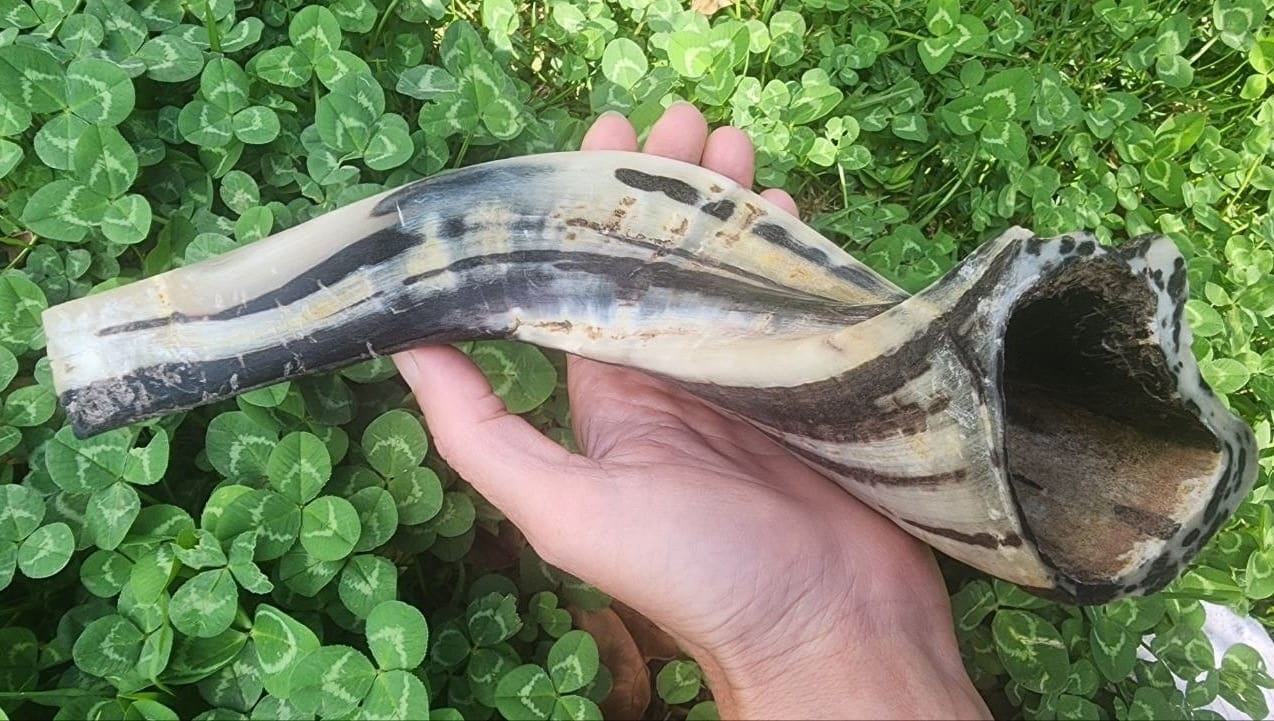
וַיַּרְא וְהִנֵּה־אַיִל אַחַר
“and saw, and behold, a ram behind(him)/before(him)…”
The ram was already there prior the event.
Abraham simply had not seen it.
Abraham called the place:
יְהוָה יִרְאֶה — Adonai yir’eh
“The LORD will see / provide.”
And now finally Abraham sees.
Member discussion: